Number of Bahai Students Deprived of Education in Iran Continues to Rise
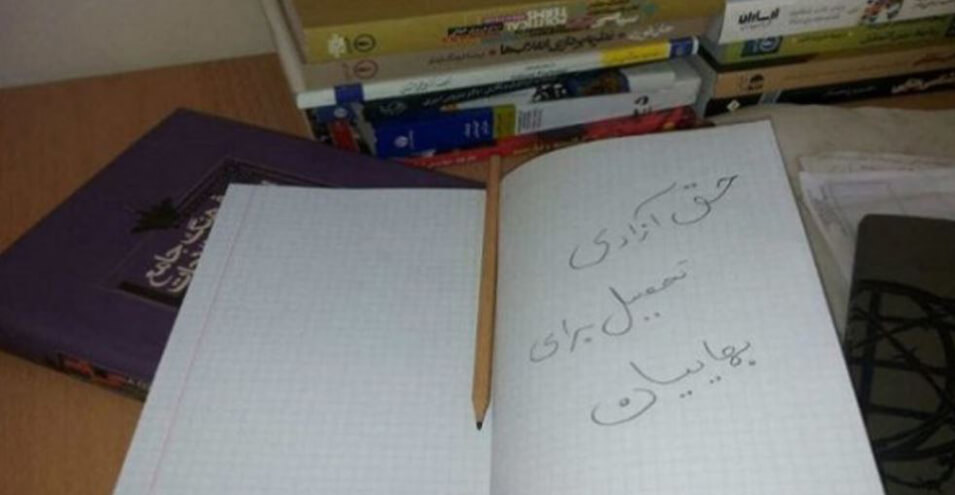
Reports published in human rights media outlets indicate that the number of Bahai citizens deprived of education, under the pretext of “file deficiency,” has again increased in the current year.
According to some sources, with the completion of university entrance exams and the approach of the new academic year, a number of Bahai citizens, as in previous years, were barred from entering universities under various pretexts, including “file deficiency” and in violation of the Islamic Republic of Iran’s regulations.
Based on published reports, the identities of 22 of these Bahai citizens who have been unable to continue their university education have so far been confirmed.
Last year, at least 58 Bahai students accepted in the nationwide university entrance exam encountered the phrase “file deficiency” when attempting to register. In fact, Bahai people are deprived of continuing their education at universities, except in certain cases, unless they hide or renounce their adherence to the Bahai faith.
Archbishop Desmond Tutu, Nobel Peace Prize winner and South African human rights activist, condemned Iran’s government action in preventing the Bahai community’s right to continue advanced education in the winter of 2014 by issuing a statement. In part of this statement, it stated that “We can tell the government of Iran and the world that depriving Bahais, or any other group, of the right to continue education at advanced levels, harms Iran itself and the Iranian people; because apartheid has taught us that any form of discrimination harms everyone.”
Furthermore, part of the Universal Declaration of Human Rights, which the Iranian government is also obliged to comply with, pertains to the right to education; in part of Article 26 of this declaration, it is written that access to higher education should be equally available to all individuals based on their individual merits.
However, Mohsen Haji Mirzaei, the Minister of Education, said on Wednesday, September 20, on the sidelines of the Cabinet meeting that if students state that they are followers of religions other than the official religions of the country and this action of theirs constitutes a form of propaganda, their education in schools is prohibited.
International human rights organizations and the U.S. State Department have repeatedly condemned the Islamic Republic’s treatment of Bahais and violations of their civil rights.
In the Iran section of the U.S. State Department’s annual report on religious freedom in the world, it states that in Iran, Bahais are prohibited from having their own educational institutions, Bahai students are barred from attending universities, and if their religion is discovered after enrollment, they are expelled from the university.
Source: Voice of America