The US sanctions four Iranian companies due to the IRGC's attack on Erbil and the Houthis' attacks on Saudi Arabia and the UAE.
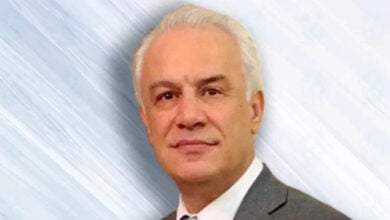
The US Treasury Department sanctioned an Iranian named Mohammad Ali Hosseini and four of his affiliated companies, including Jastar Sanat Delijan, Pars Bana Sadr Construction Industrial Company, Sayeh Ban Sepehr Delijan, and Sina Composite Delijan, for their participation in procurement for Iran's missile program and cooperation with the IRGC's Self-Sufficiency Jihad Research Center and the Defense Industries Organization of Iran.
According to the statement, companies owned by Mr. Hosseini cooperate with the Revolutionary Guard Corps and Parchin Chemical Industries in the production of ballistic missile propellants. Parchin Chemical Industries is under the supervision of the Iranian Defense Industries Organization, which is affiliated with the Ministry of Defense of the Islamic Republic of Iran.
In July 2017, the US State Department sanctioned the IRGC's Research and Self-Sufficiency Organization due to its important role in the research and development of ballistic missiles.
The IRGC's Self-Sufficiency Jihad Organization is one of the most important entities involved in Iran's missile program, and in November 2011, Hassan Tehrani Moghadam, head of the IRGC's Self-Sufficiency Jihad Organization and one of the founders of the IRGC's missile program, was killed.
In October of this year, reports were published about a severe explosion in one of the centers affiliated with this organization, killing two IRGC members, although IRGC officials have not yet explained the cause.
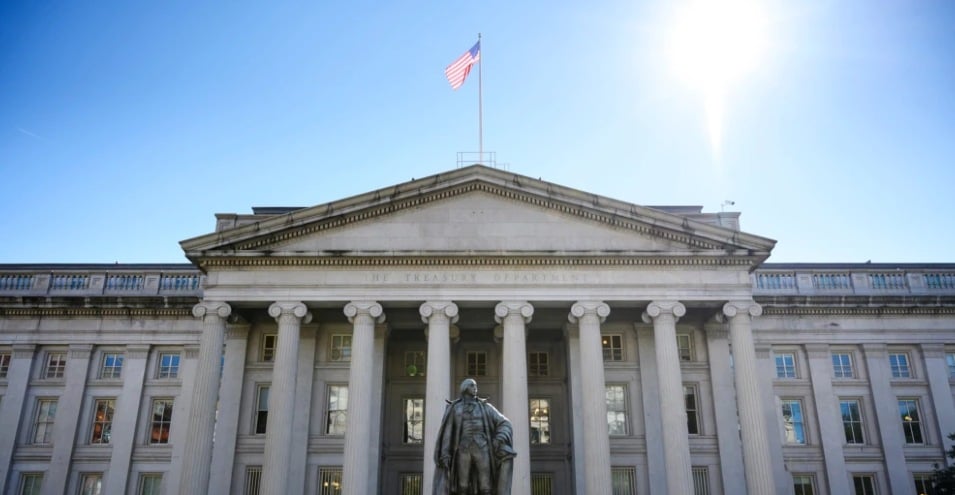
In its statement today, the US Treasury Department also emphasized that the decision to impose these sanctions was made in response to the recent missile attacks by the Revolutionary Guards on Erbil and missile attacks by Houthi militias on oil facilities in Saudi Arabia and the UAE.
Brian Nelson, the US Deputy Secretary of the Treasury, has emphasized that despite the ongoing JCPOA negotiations, "the United States will not hesitate to target individuals and entities that support Iran's missile programs."
He described this decision as a renewed emphasis by the United States on preventing "Iran from acquiring advanced ballistic missiles" and working with US allies in the region to hold the Iranian government accountable for its actions that violate the territorial integrity of these countries.
The IRGC missile attack on Iraqi soil, targeting a private villa on the outskirts of the city of Erbil, took place on March 11, 2019. The IRGC announced the aim of the attack was to destroy a Mossad-affiliated center, but Iraqi officials have denied this claim, saying that one of the reasons for the IRGC missile attack was concerns about a plan to transport natural gas from Iraqi Kurdistan to Turkey and Europe.
On the other hand, in recent weeks, Houthi militias, who are supported by the Iranian government, have carried out numerous attacks on Saudi Arabia's oil facilities as well as freshwater facilities.
In recent days, after the intensification of Houthi attacks, the Wall Street Journal reported the transfer of a "significant" number of American Patriot air defense missiles to Saudi Arabia in recent weeks.
US Secretary of State Antony Blinken said on April 29, referring to the series of missile attacks by Houthi militias against the UAE and Saudi Arabia: "We are determined to help you defend yourself against these attacks."
The Yemeni war, which is referred to as a proxy war between the Islamic Republic of Iran and Saudi Arabia, has become one of the most complex crises in the region and the international arena over the past seven years.
Source: Radio Farda