Execution of 5-year prison sentence for Nireh Arjaneh, a symbol of the repression of Christian citizens in Iran

The execution of Nireh Arjaneh's five-year prison sentence for her "peaceful Christian activities" has once again given new life to criticism of restrictions on religious freedom in Iran.
Nireh Arjaneh, a Christian citizen from Garmsar who was arrested at her home with her husband on July 8th for peaceful religious activities, reported to Semnan Prison on Tuesday to begin a five-year prison sentence. The sentence is part of a series of court rulings against her that critics say are the latest example of the crackdown on religious freedom in Iran.
Based on the rulings issued by the Revolutionary Court, Nayreh Arjaneh has been sentenced to five years in prison, a fine of 165 million tomans, a two-year mandatory stay in Kohbanan County, Kerman, and a two-year ban on leaving the country for the charge of "disruptive propaganda and deviant education contrary to Islamic law."
In another part of the verdict, he was accused of "providing financial and material support to groups related to Zionist Christianity" due to the payment of religious gifts and donations worth 11 million tomans, and for this charge he received 5 years in prison and a fine of about 60 million tomans.
Farshid Safdari, the judge of the Garmsar branch of the Islamic Revolutionary Court, acquitted him of the charge of "insulting the sacred." However, his total sentence amounts to 10 years in prison, which, according to legal procedure, only the strictest "severe punishment," namely five years in prison, is carried out.
After his initial arrest, Arjaneh spent more than 40 days in detention and was initially released on bail of 500 million Tomans, but on October 5, he was summoned again for questioning and detained for another three days until the prosecutor increased the bail to 2 billion Tomans, after which he was finally released on bail.
He previously received a six-month suspended sentence in 1401 for his religious activities, which shows that the Iranian government has long been monitoring and pressuring the activities of Christians.
Arjaneh was subjected to psychological pressure and torture during her arrest and was threatened with execution. Her husband, Qasem Esmaili, was also sentenced to 3 years and 6 months in prison in a separate verdict, but this sentence has not yet been carried out due to his cancer and chemotherapy.
The Nireh Arjaneh case comes amid a surge in violence and repression against Christians in Iran. Iranian authorities are reportedly pursuing many similar cases against minority Christians, particularly those who have converted from Islam to Christianity, on charges of “propaganda against Islamic law” or “actions against national security.”
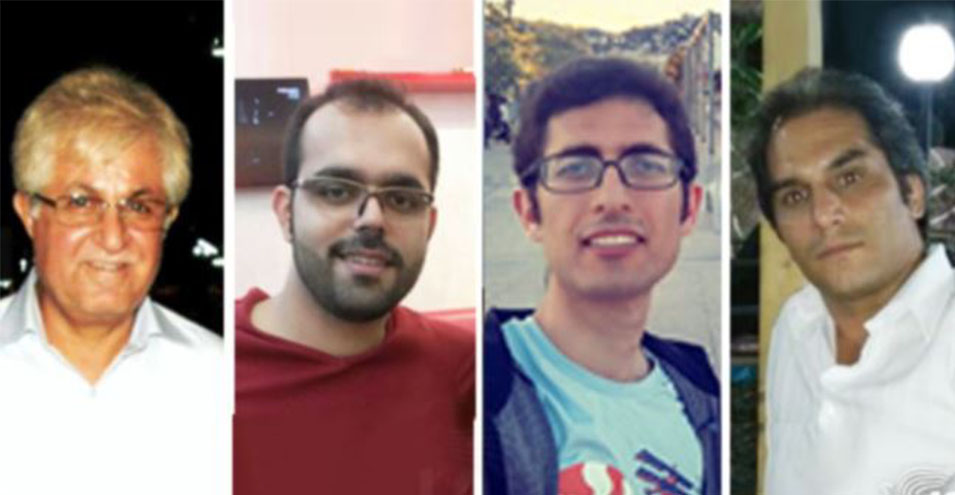
For example, the appeals court in Tehran upheld the prison sentences of five Iranian Christian citizens who were also convicted for activities related to their Christian faith and “propaganda against the regime,” a pattern that reflects the Iranian judiciary’s ongoing efforts to suppress independent religious activity.
Furthermore, human rights reports show that long-term sentences against Christians have increased in recent years, with many of them being detained and sentenced for “religious activities” even without clear security reasons.
The ruling has faced widespread criticism in the areas of human rights and religious freedom. Human rights groups and international organizations have repeatedly warned against the increase in prison sentences for Christians in Iran, calling it a violation of the principles of freedom of religion and belief.
This situation shows that in Iran, Christians continue to face the risk of arrest, search measures, and harsh sentences, while their activities are usually peaceful and related to religious worship and community.
The case of Nireh Arjaneh is a clear example of the escalating repression of religious freedom in Iran; the verdict has led to severe punishments and violations of fundamental freedoms, despite her activities being peaceful and within the framework of her personal faith. The verdict has not only affected her personal life and that of her family, but also reflects a broader pattern of oppression of religious minorities in Iran.