The Islamic Republic's use of the international banking network to circumvent sanctions
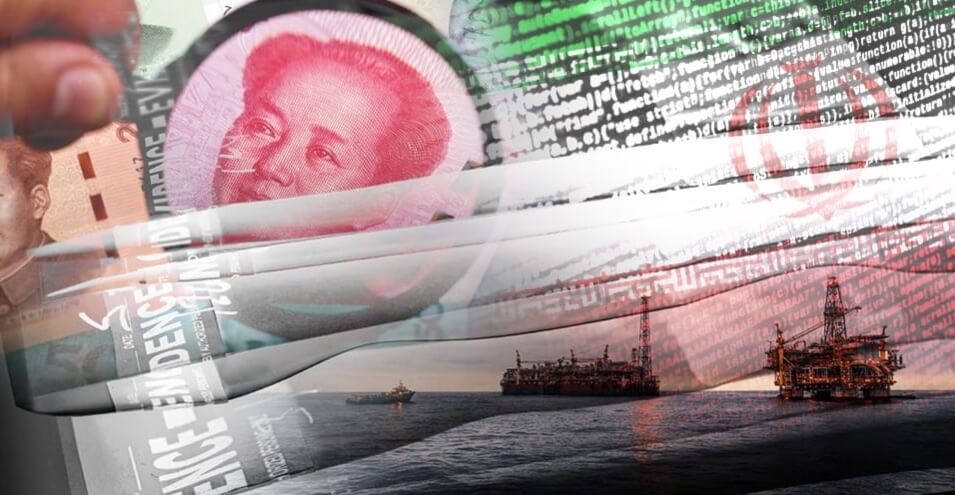
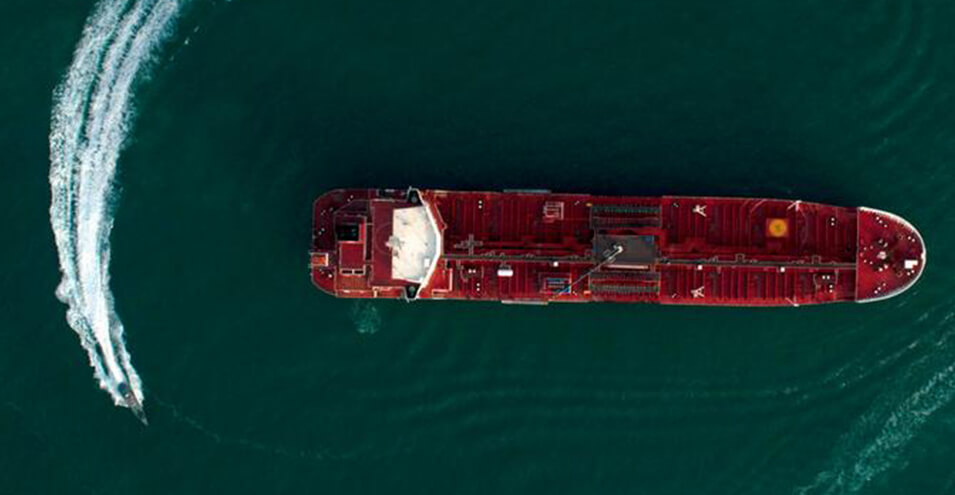
اسناد جدید نشان میدهد جمهوری اسلامی در بخشی از سیاست کاهش فشارهای ناشی از تحریمهای ایالات متحده از خدمات بانکهای چینی ، خاورمیانه و همچنین غربی در حوزه صنعت انرژی استفاده کرده است.به گزارش وال استریت ژورنال، به گفته مقامات اطلاعاتی، ایران از طریق شبکهای از شرکتهای نیابتی، موسسات مبادلات ارزی و واسطهها، سالانه دهها میلیارد دلار مبادلات تجاری را انجام میدهد.
این مقامات میگویند:«این شبکه مستقیماً توسط رهبری سیاسی ایران از سال ۲۰۱۱ و با تمرکز بر ایجاد یک سیستم مالی تحریمگریز برای مقاومت در برابر فشارهای بین المللی با هدف محدودسازی برنامه هستهای ایران راهاندازی شده است.»
صورتهای بانکی و اسناد شرکتی بررسیشده توسط وال استریت ژورنال نشان میدهد که هلدینگ اچ اس بی سی و استاندارد چارترد، دو بانک بزرگ در جهان از نظر میزان دارایی، از جمله موسساتی بودهاند که به صادرکنندگان بزرگ ایرانی خدماتی ارائه و تجارت ممنوعه با ایران را به نمایندگی از آنها انجام میدادند.
تحریم های ایالات متحده که در زمان دولت ترامپ برای وادار کردن ایران به یک توافق هسته ای و امنیتی اعمال شد، بانکهای بینالمللی را از مدیریت حساب های شرکت های ایرانی منع میکند.
ناقضان این تحریمها مطابق با قوانین ایالات متحده و مقررات بین المللی ضدپولشویی، جریمههای میلیارد دلاری میشوند.
دولت بایدن اخیرا با اعمال تحریمهای بیشتر علیه چندین شرکت در امارات متحده عربی و چین که به گفته وزارت خزانهداری، شرکتهای اصلی غولهای انرژی دولتی ایران هستند، گامی در راستای تشدید فشارها علیه ایران برداشت.
اما این شبکه چگونه کار میکند؟
بنا به اسناد و مدارک و مقامات اطلاعاتی، صرافیهای تحت کنترل ایران در خارج از کشور برای جمهوری اسلامی شرکتهای وکالتی و حسابهای بانکی ایجاد میکنند. شرکتهای ایرانی تحریمشده از طریق آن شرکتها و حسابهای بانکیشان، نفت و سایر کالاهای خود را با دریافت دلار، یورو و سایر ارزهای خارجی به خریداران خارجی میفروشند.
سپس واردکنندگان ایرانی از این بودجه برای پرداخت کالاهایی که کشور برای سرپا نگه داشتن اقتصاد به آن نیاز دارد، استفاده میکنند. یک اتاق پایاپای الکترونیکی که توسط بانک مرکزی ایران اداره میشود، این مبادلات ارزی را بین صادرکنندگان و واردکنندگان ایرانی تسویه میکند.
برای مثال طبق مدارک به دست آمده، بانک اچ اس بی سی برای شرکتی به نام اسکافیلد که در سال ۲۰۱۹ و در هنگ کنگ ثبت شده است، حسابی در یکی از شعبههایش در هنگ کنگ باز کرده است، در جولای ۲۰۲۰ اسکافیلد طبق قراردادی ۱۹۸ تن از یک محصول پتروشیمی را برای استفاده در تولید یک محصول پلاستیکی به خریداری در هند و به ارزش ۱۷۰ هزار دلار میفروشد، سپس پول به حساب اسکافیلد در بانک اچ اس بی سی در هنگ کنگ واریز می شود، در همان زمان، فاکتور یکسانی با همان تاریخ و حاوی همان شماره فاکتور و اطلاعات خریدار، کد محصول ، مقدار و قیمت فروش که در آن فروشنده را شرکت بازرگانی صنعت پتروشیمی خلیج فارس معرفی میکند، در دست است.
مقامات اطلاعاتی غربی هیچ مدرکی دال بر شریک بودن بانکها در اجازه تراکنشهای شرکتهای تحریم شده ایران ندارند. اما افسران ارشد کنترل پایبندی بانکها گفتهاند:«شرکت های ثبت شده در خارج از ایران که به طور مخفیانه حسابهای بانکی شرکت های ایرانی را نگهداری میکنند، می توانند از کنترلهایی که به منظور جلوگیری از پولشویی است، فرار کنند.»
Source: Voice of America