Dr. Ganjbakhsh in Interview with Voice of America: Khamenei Intended to Impose Chinese Vaccine on Iranian People
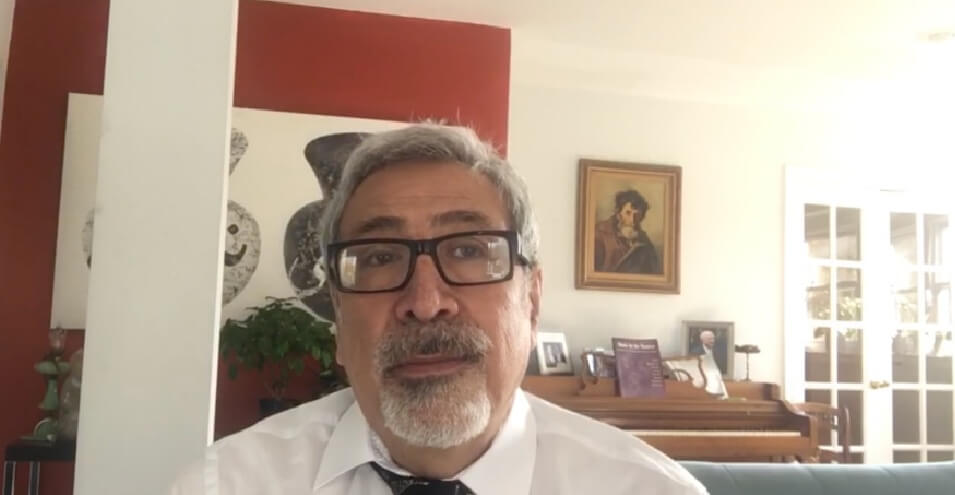
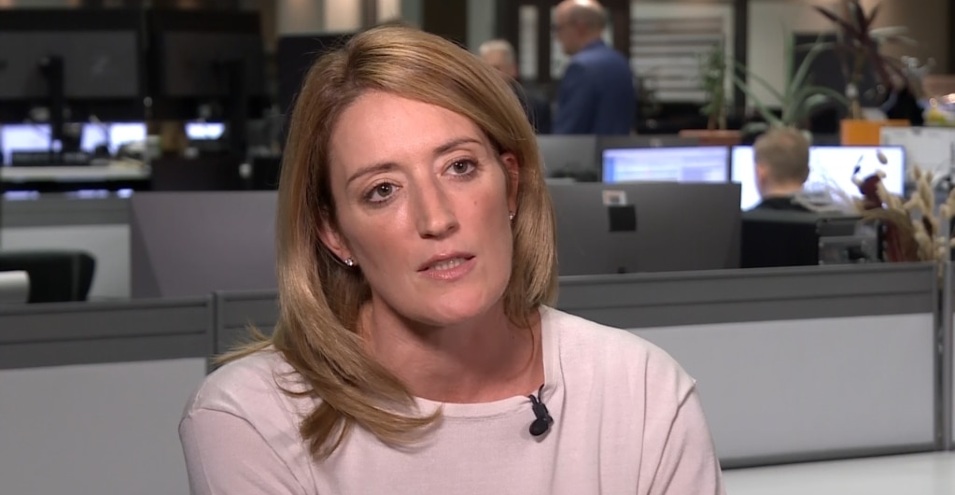
Dr. Amirhassan Ganjbakhsh, head of the Biophotonics Division at the U.S. National Institutes of Health, responded to Iran’s recent announcement by the president regarding the entry of the private sector into vaccine imports in Iran.
Hassan Rouhani, Iran’s president, announced on the tenth day of Farvardin that Iran’s private sector would enter the vaccine import business. Mr. Rouhani stated in a cabinet meeting that any private sector entity can import vaccines using semi-official currency. He added that vaccines imported by the government are free and distributed with priority given to certain individuals, and “may reach ordinary people later.”
This comes after Heydar Mohammadi, the pharmaceutical director of the Health Ministry, had previously stated that imported vaccines, regardless of how they enter the country, will ultimately be purchased by the Health Ministry and distributed to people free of charge.
Dr. Amirhassan Ganjbakhsh told the Farsi service of Voice of America that given Ayatollah Khamenei’s ban on the entry of Western vaccines into Iran and the subsequent signing of a 25-year agreement with China, it appears he intended to impose the Chinese vaccine on the people as a sweetener to the agreement.
Mr. Ganjbakhsh says that although the private sector could play an important role in public vaccination, this role has not been clearly defined in Iran, and it appears the roles of government and private sector have been reversed. Regarding the delegation of vaccination to the private sector in Iran, Dr. Ganjbakhsh says: “The right to vaccinate Iranian citizens should not be allowed to become a currency of government.”
The entry of the private sector into vaccine imports has also drawn critical reactions from social media users. Many expressed concern about currency rent-seeking and that this decision would open the way for the allocation of semi-official currency to specific individuals and companies. Others have raised concerns about unfair distribution of vaccines based on wealth and influence following the delegation of vaccine imports to the private sector.