Protests in Khuzestan; Concerns about the repetition of another bloody crackdown in Iran
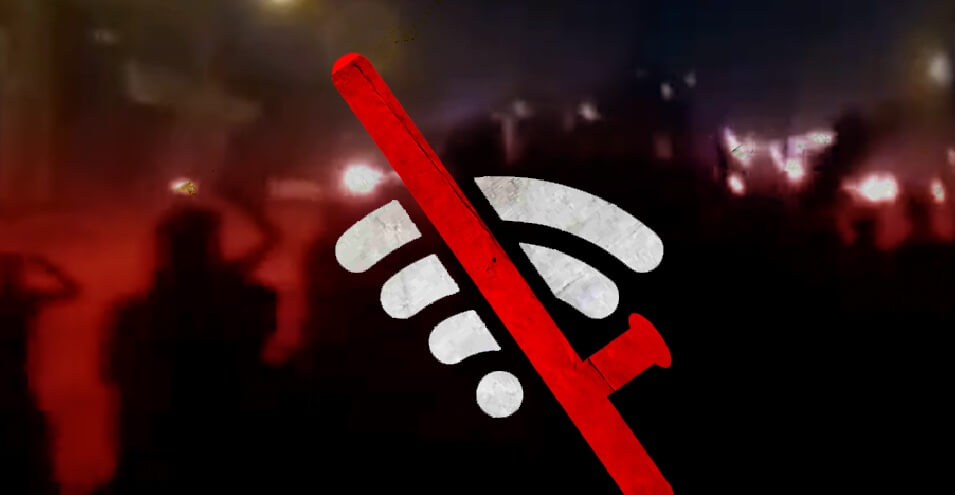
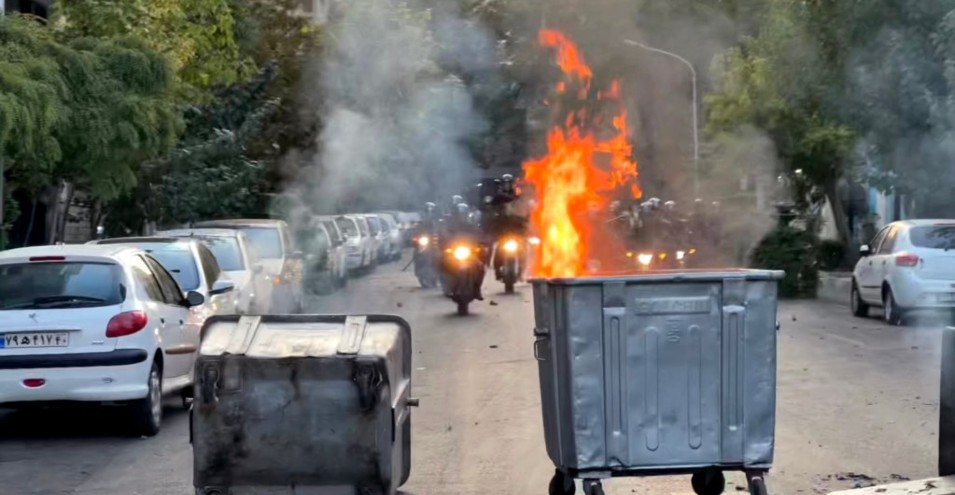
The continued outage and disruption of the internet, as well as the increased presence of security forces in some areas of Khuzestan Province, coincident with the start of street protests in recent days, has raised concerns about another deadly crackdown in the Islamic Republic.
Hadi Ghaemi, director of the Human Rights Campaign in Iran, said: "Government forces used live ammunition in response to peaceful protests in Khuzestan a year ago, killing a number of citizens, and now it seems they are preparing to repeat another bloody crackdown."
According to Hadi Ghaemi, "The government's shutdown of the internet is a wake-up call that Iranian authorities are preparing to use coercive and repressive forces and want to hide this violence from the eyes of the international community."
The Campaign for Human Rights in Iran calls on officials who are negotiating with the Iranian government, as well as the United Nations and international human rights organizations, to urgently call on the authorities of the Islamic Republic to end the military crackdown against the Iranian people, which is a clear example of a clear violation of the people's right to protest.
Iron fist of repression and internet shutdowns: The government's response to people's protests over rising food prices
While inflation in Iran has reached over 40 percent, the price of bread has skyrocketed in recent days. Many citizens are reporting shortages of essential food items, including oil and sugar. Meanwhile, residents of the oil-rich province of Khuzestan are also struggling with severe dust storms and water shortages.
The Human Rights Campaign in Iran has learned from multiple sources in Khuzestan Province that internet disruptions in most cities in the province began at noon on May 5 and are continuing. On the other hand, security and military forces are heavily present in areas of the province and Ahvaz (the provincial capital).
A local witness in the city of Izeh, referring to the internet outage and disruptions in the internet network, told the Campaign for Human Rights in Iran: “In the past few days, the internet has been cut off in some areas, such as the cities of Izeh and Susangerd and some areas of Ahvaz, and in some cities in Khuzestan that have not been completely cut off, mobile phone access is also disrupted.” According to him, “security forces initially prevented the gatherings from forming, but the number of people increased and the forces fired several shots in the air.” Referring to the protesters’ slogans, this local witness said: “The people’s protest slogans were all about the recent price increases, especially the price of bread.”
An informed source in Ahvaz confirmed the increased presence of security forces in the city.
A local witness in Ahvaz told the Campaign for Human Rights in Iran: “The protests first started in Susangerd and then spread to Izeh and several areas in Ahvaz city… There were a lot of security forces around government buildings such as the governor’s office and the Ahvaz Agricultural Jihad. In some poor areas of Ahvaz, they used tear gas to disperse people… The atmosphere of the protests in Izeh and Susangerd was very similar to January 2017 and November 2019.”
According to him, “the protests were not ethnic or racial in nature, but were specifically in protest of the living conditions and high prices.” According to the Iranian constitution, peaceful demonstrations and marches are a right of citizens. However, the security forces of the Islamic Republic of Iran have a long history of violently suppressing protests with direct fire or arbitrary arrests, many of which have been documented. Human rights organizations have recorded and documented the killing of hundreds of protesters in Iran after the government massacred people in November 2019.
Hadi Ghaemi, director of the Human Rights Campaign in Iran, emphasized: "The Iranian people demand access to bread and jobs, but the government responds with an iron fist, while these are basic rights that should be provided and protected by the Iranian government, not suppressed with violence."
Source: Iran Human Rights Campaign