Reza Pahlavi's revelations against London; harsh criticism of Britain's silence on the crimes of the Islamic Republic
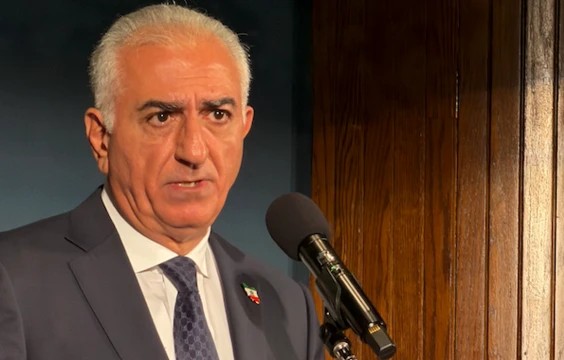
Reza Pahlavi strongly criticized why Britain remained silent in the face of the crimes of the Islamic Republic and did not support the people of Iran.
Following the British government's recent stance on regional developments, Reza Pahlavi issued a harsh message, severely criticizing British policies and describing them as an example of "appeasement" with the Islamic Republic.
This reaction came after Keir Starmer, in a message, welcomed efforts to consolidate the ceasefire in the region and emphasized the need to protect civilians and global energy security.
In his response, Reza Pahlavi wrote in a critical tone: "Britain has consistently appeased the criminal Iranian regime. The Prime Minister talks about protecting innocent Iranian civilians, but has done nothing to help stop the slaughter of 40,000 innocent Iranians in January."
He continued, pointing to the consequences of current Western policies, and warned: "Only ending this regime, which also brings terror to British soil, can lead to lasting peace and regional stability."
In another part of the message, Reza Pahlavi, referring to Britain's political history, called on the country's Prime Minister to make a fateful choice: "Keir Starmer should follow the path of Churchill, not Chamberlain. He should support the Iranian people's struggle for freedom. The Iranian people will remember who stood by them in their time of need and who stood against them."
This comparison clearly points to the difference between the policy of resistance to threats and the policy of compromise in European history, a topic that has been repeatedly raised in international analyses of how to deal with authoritarian governments.
Reza Pahlavi went on to call for an immediate change in London's policies, writing: "There is still time to change the government's course: prosecute the Revolutionary Guards, which are killing innocents, expel the illegitimate regime's ambassador, and take action to support the Iranian people."
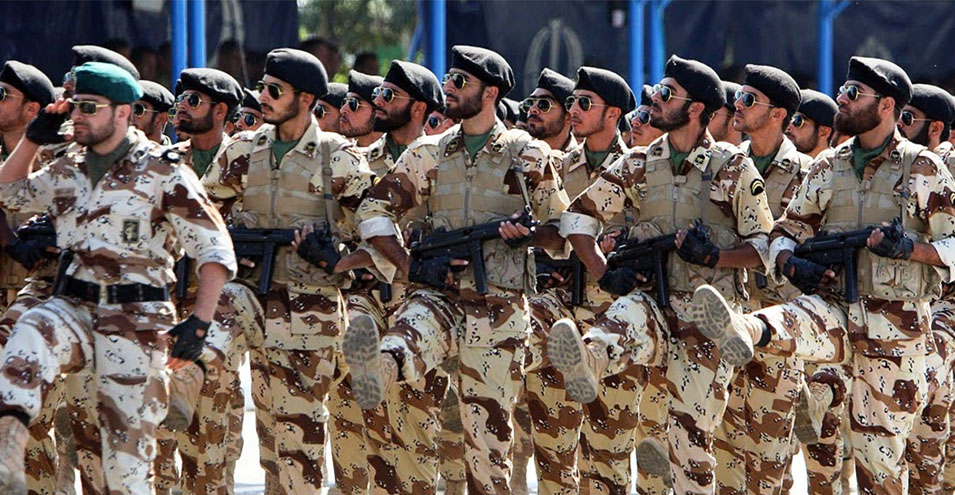
His reference to the Islamic Revolutionary Guard Corps comes at a time when the debate over whether this organization should be listed as a terrorist group in some Western countries, including Britain, remains a matter of controversy.
On the other hand, Keir Starmer welcomed the ceasefire agreement between the United States and Iran in his message, calling it an opportunity to reduce tensions. He also stressed the importance of opening the Strait of Hormuz and ensuring the free flow of energy in the world.
The statement read in part: “We strongly urge rapid progress towards a genuine and substantive agreement. This is vital to protecting civilians in Iran, ensuring regional security, and could prevent a severe global energy crisis.”
Analysts believe that this verbal confrontation reflects a deep gap between the approach of Western governments and the demands of a section of the Iranian opposition. While governments such as the UK focus on reducing tensions, maintaining regional stability and managing energy crises, critics consider this approach inadequate and see it as a form of neglect of the domestic situation in Iran.
In recent years, numerous reports have been published about activities attributed to the Islamic Republic on European soil, which have raised concerns among Western security institutions; an issue that, according to critics, requires a more decisive response from governments such as Britain.
However, it is not yet clear whether political and media pressure can bring about a change in London's approach; but what is clear is the increase in critical voices that call for a shift away from cautious policies and towards a tougher stance towards Tehran.