Exposing the possibility of the Islamic Republic using chemical weapons against protesters
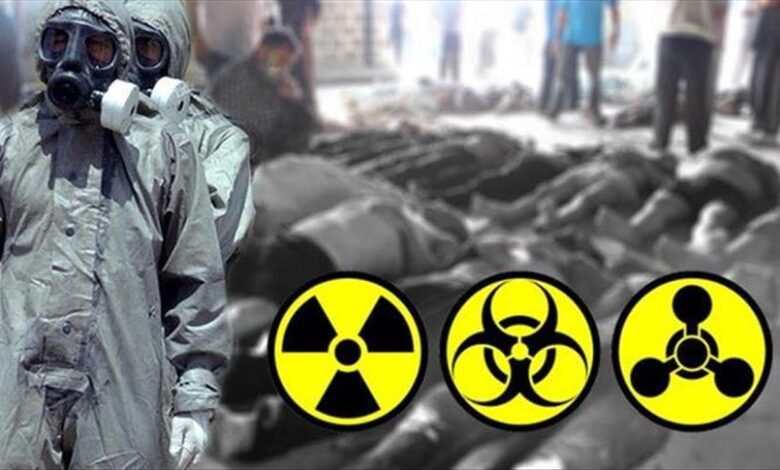
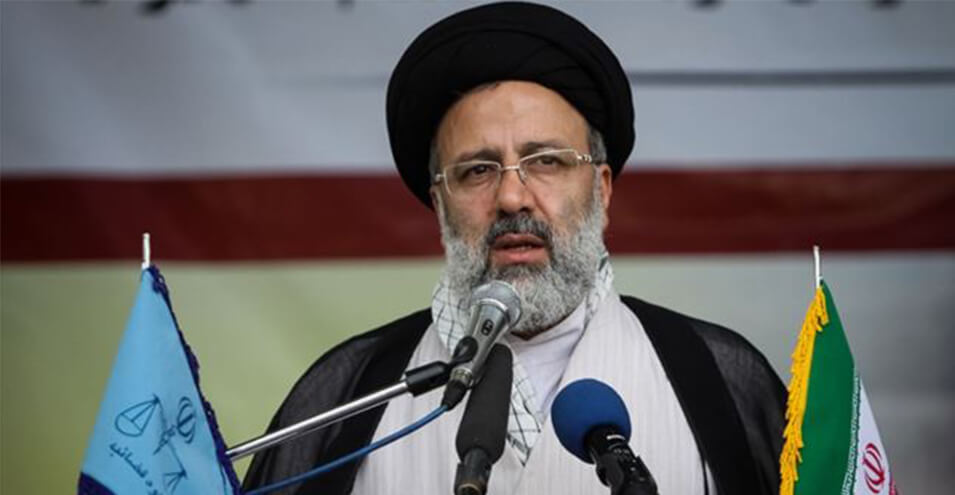
A shocking report about the Islamic Republic's use of chemical weapons against protesters in the shadow of bloody repression and international pressure reveals a new chapter in the Islamic Republic's crimes against protesters.
A new report published in the United States has once again focused attention on the dark side of Iran’s crackdown on nationwide protests, which have seen mass arrests, live ammunition against protesters, and suspicious deaths in custody, from bloody winters to the nationwide uprisings of recent months. Now, a more disturbing claim has been made: Has the Iranian government gone further and used banned chemical agents against its own citizens?
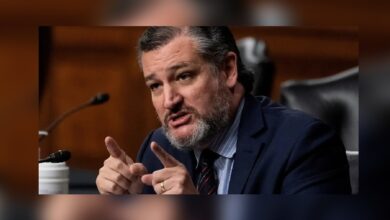
On Wednesday morning, February 25, Fox News cited a report prepared by the American think tank Foundation for Defense of Democracies. The report called on the international community to independently investigate whether banned chemicals were used to suppress protesters during the nationwide protests in January.
The report's author, Andrea Stricker, warned that Western policymakers have been largely focused on Iran's nuclear program, while the possibility of chemical weapons activity has received little attention, citing what he called the Islamic Republic's "covert chemical weapons program." He added: "The United States, its allies, and the Organization for the Prohibition of Chemical Weapons must investigate credible allegations that the Iranian regime has used chemical weapons against its own people."
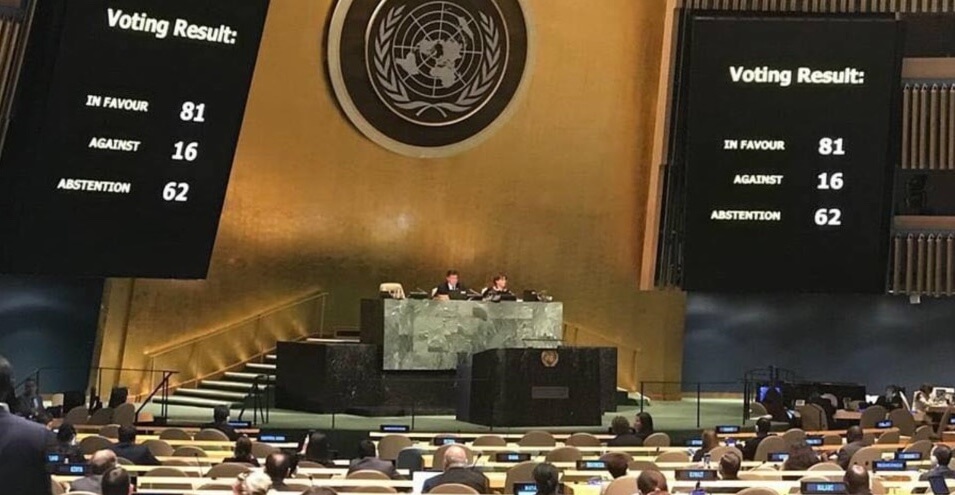
This request effectively throws the ball into the court of the Organization for the Prohibition of Chemical Weapons, the body responsible for monitoring the implementation of the 1997 Chemical Weapons Convention.
Iran is a signatory to the Chemical Weapons Convention, a treaty that prohibits the development, production, stockpiling, and use of these weapons. The Islamic Republic has consistently portrayed itself as a victim of Iraq's chemical attacks in the 1980s and has therefore condemned the use of these weapons.
However, in recent years, human rights groups have reported widespread use of unknown gases or highly irritating compounds during protests. Some witnesses have described pungent odors, acute respiratory symptoms, and mass poisonings; cases that, although not officially confirmed, if proven, could be a clear violation of Iran’s international obligations.
In addition, during the nationwide protests in Iran, numerous reports were published by families and some local sources indicating that a number of the deceased had unusual signs of burns and severe skin damage. According to some medical personnel who did not want to be named, the type of injuries in some cases resembled burns caused by chemical agents, raising the possibility of “exposure to unknown substances.” However, due to the security atmosphere prevailing in medical centers and pressure on doctors and nurses to remain silent, no official confirmation or independent and public report was published in this regard. This ambiguity and lack of transparency has added to concerns about the methods used to suppress the protesters.
Stryker also went further and suggested that in the event of a possible US military action against the Iranian government, facilities related to chemical weapons research and production should also be on the list of targets; a suggestion that indicates the seriousness of concerns in some security circles in Washington.
The report comes as representatives from Tehran and Washington are set to meet in Geneva. Iranian Foreign Minister Abbas Araqchi had previously said: “A deal is within reach if diplomacy is prioritized.” In contrast, US officials have stressed that any agreement must also address broader security concerns.
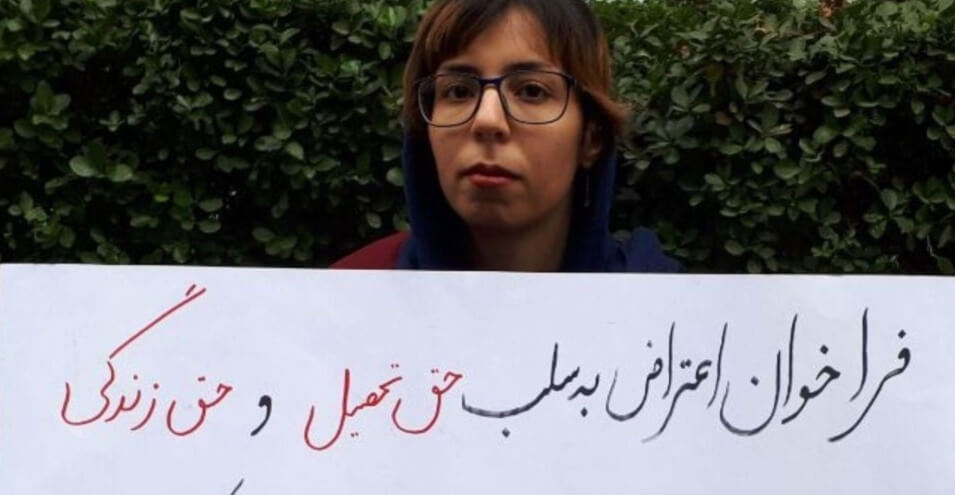
Critics of the Iranian government say that the experience of recent years has shown that, alongside diplomatic negotiations, domestic repression has not only not diminished but has intensified. From the protests of January 2017 to the “Women, Life, Freedom” uprising in 2022, numerous reports of killings, torture, and forced confessions have been published; reports that have also been cited by independent international institutions.
Meanwhile, the US government has announced a new round of sanctions against networks linked to Iran’s oil sales and missile and drone programs. These measures, implemented by the United States Department of the Treasury as part of its “maximum pressure” policy, target more than 30 individuals, companies and vessels.
According to US officials, the Islamic Republic's oil revenues are spent not on improving the livelihoods of its people, but on domestic repression, support for regional proxy groups, and the development of advanced weapons. The sanctions package also targets networks that help supply raw materials such as sodium perchlorate for solid ballistic missile fuel.
Four senior officials from Quds Air Industries, affiliated with the Islamic Republic's Ministry of Defense, have also been sanctioned for their role in the development of drones that are said to have been supplied to Russia and Venezuela.
If the allegations about the use of chemical agents are even remotely true, we are facing one of the most shocking human rights violations in recent decades: the possible use of banned weapons not on the battlefield, but against unarmed civilians.
The Islamic Republic has denied the accusations, calling them “psychological warfare.” But Iran’s history of violent crackdowns on protests, systematic cover-ups, and severe restrictions on independent media have added to the scope of doubts.
As diplomatic negotiations continue, the fundamental question is: Will the international community once again focus solely on the nuclear issue, or will this time the issue of human rights and allegations related to chemical weapons also be seriously put on the agenda?
The fate of this question is of vital importance not only for the future of relations between Tehran and the West, but also for the millions of Iranians who have paid the price of their peaceful protest with their lives and freedom in recent years.