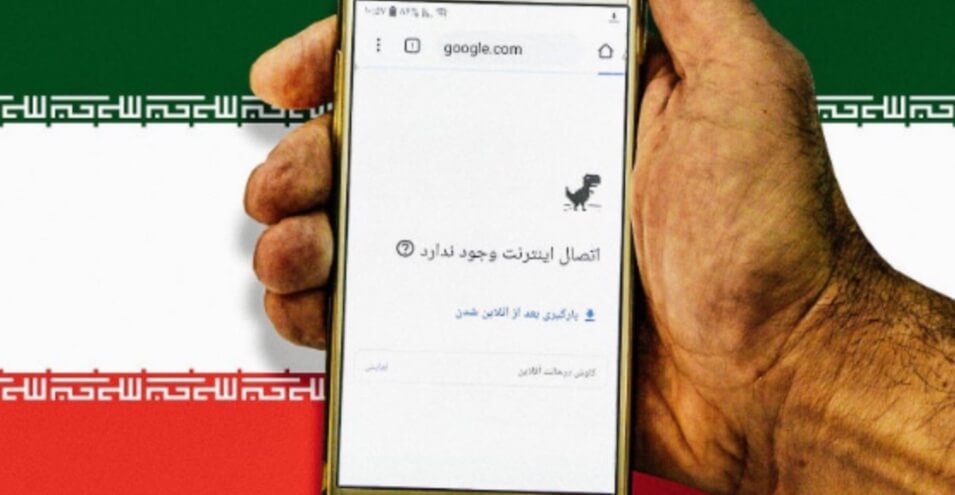
Exposing a new wave of repression, secret executions in the shadow of an internet blackout, and organized injustice
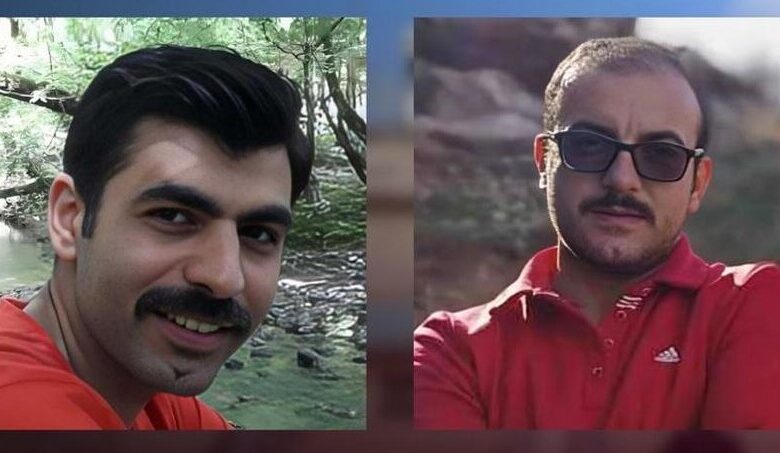
The revelation of the new wave of repression revealed the execution of the death sentences of "Poya Ghobadi Bistouni" and "Babak Alipour", two political prisoners, which took place in a secret process that went beyond due process standards.
In the wake of the growing repression in Iran, reports indicate that the Islamic Republic’s judiciary has once again committed serious violations of citizens’ fundamental rights by executing death sentences in ambiguous and non-transparent circumstances. In the most recent case, two political prisoners, Pouya Ghobadi Bistouni and Babak Alipour, were executed in Qezel Hesar Prison in Karaj, an act that, according to human rights reports, was carried out without prior notification to their families and even without their last visit.
These executions were carried out while two other defendants in the same case, Akbar Daneshvarkar and Mohammad Taghavi Sangdehi, had previously suffered a similar fate within a short period of time. Such a trend indicates haste and a lack of transparency in the execution of death sentences, an issue that has been repeatedly criticized by international human rights organizations.
According to published information, these individuals were tried in a joint case on charges of “rebelism” through their connection to the People’s Mojahedin Organization. However, reports indicate that the judicial process faced serious flaws. For example, the Supreme Court had previously overturned the verdict due to shortcomings in the investigation, but the Revolutionary Court, in short sessions and without detailed review, reaffirmed the same verdicts.
One of the most concerning aspects of this case is the allegations of torture used to extract confessions. Human rights sources have reported that the defendants were forced to confess under extreme pressure, including beatings, electric shocks, and threats to their families. Such methods are considered to be in violation not only of domestic law but also of Iran’s international obligations.
Pouya Ghobadi Bistuni, 34, was an electrical engineer with an artistic background. Babak Alipour, 35, was a law graduate and a civil rights activist in Gilan. The executions of these individuals, both of whom had prominent social and professional backgrounds, have raised serious questions about the criteria for issuing such sentences.
The executions coincided with reports of heightened security in Qezel Hesar prison. Prison guards reportedly violently stormed the political prisoners’ ward and beat a number of them who were participating in the “No Execution Tuesdays” campaign. These actions indicate an attempt to silence any voices of protest, even inside the prisons.
In addition, some analysts point to the role of internet restrictions and communication shutdowns in coinciding with such events. They believe that these measures could be aimed at preventing the rapid spread of news and reducing public reactions, a theme that has been repeated many times in recent years.
Human rights organizations have warned that the execution of these sentences will put the lives of other defendants in the case at serious risk. They have called this process a clear example of a violation of the principles of fair trial and human rights, and have called for an immediate response from the international community.
Overall, what emerges from these events is a picture of the intensification of repressive policies; a process that has not only not led to a reduction in dissatisfaction, but has also deepened the gap between the government and society.