Iran: A graveyard of press freedom and a nightmare for independent journalists, in the shadow of the Islamic Republic
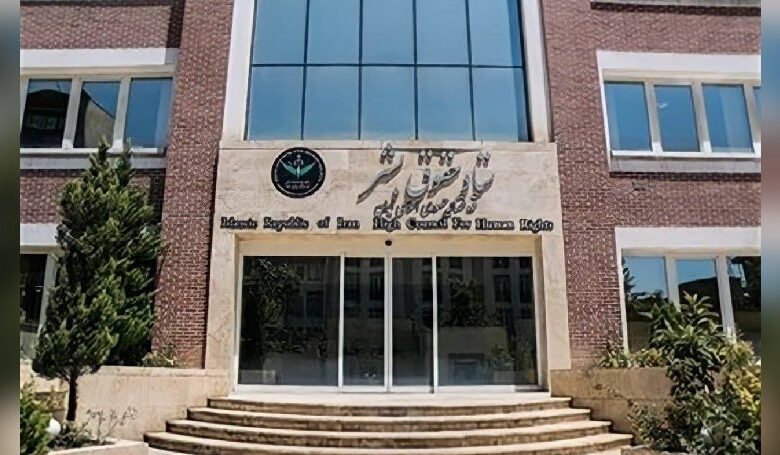
جمهوری اسلامی، ایران را به گورستانِ آزادی مطبوعات و کابوس هر روزه روزنامهنگاران تبدیل کرده است.
مرکز حقوق بشر در ایران (CHRI) روز جاری چهارشنبه ۱۲ شهریور برابر با ۳ سپتامبر، در بیانیهای تازه، تصویری تاریک از وضعیت روزنامهنگاران و رسانهها در جمهوری اسلامی ارائه داد و اعلام کرد: «ایران امروز به یکی از خطرناکترین کشورها برای فعالیت روزنامهنگاران مستقل بدل شده و آزادی مطبوعات، عملا نابود شده است.»
این نهاد حقوق بشری تاکید کرد که پس از جنگ ۱۲ روزه و بحرانهای امنیتی ناشی از آن، فشار حکومت بر رسانهها بهطور بیسابقهای افزایش یافته و شامل تهدید، شنود، تعطیلی دفاتر خبری، بازداشتهای خودسرانه و پیگرد قضایی علیه هر روزنامهنگاری میشود که از خط رسمی حکومت فاصله بگیرد.
مدیر مرکز حقوق بشر در ایران در بیانیهای گفت: «زندانی کردن روزنامهنگاران بخشی از راهبرد سرکوب اعتراضها و حفظ قدرت است.»
وی همچنین ضمن خواستار حمایت جامعه جهانی از روزنامهنگاران ایرانی، تاکید کرد که سکوت در برابر سرکوب رسانهها، به معنای مشروعیتبخشی به رفتارهای ضدحقوق بشری جمهوری اسلامی است.
این مرکز فهرستی از روزنامهنگاران بازداشتشده و تحت پیگرد منتشر کرده که شامل نامهایی چون «سعیده شفیعی»، «امید فراغت»، «منصور ایرانپور» و «ماندانا صادقی» است. به گفته این نهاد، این افراد تنها به جرم تلاش برای اطلاعرسانی مستقل در بند هستند.
در همین راستا، سازمان «گزارشگران بدون مرز» نیز با انتشار گزارشی، از زندانی بودن دستکم ۲۱ روزنامهنگار در ایران خبر داد و ایران را در رتبه ۱۷۶ آزادی مطبوعات جهان قرار داد؛ جایگاهی که بهروشنی نشاندهنده سقوط مداوم آزادی بیان در کشور است.
مرکز حقوق بشر همچنین به تعطیلی اجباری دفتر انجمن صنفی روزنامهنگاران تهران و اخراج گسترده دستکم ۱۵۰ روزنامهنگار پس از جنگ ۱۲ روزه اشاره کرده و این اقدامات را نمونهای از تلاش حکومت برای خاموش کردن صدای مستقل رسانهها دانسته است.
این بیانیه در پایان با خطاب قرار دادن سازمان ملل متحد و دولتهای جهان، خواستار اقدام فوری برای آزادی روزنامهنگاران زندانی در ایران شد.
ایران تحت حاکمیت جمهوری اسلامی، نه تنها به تعهدات بینالمللی خود در زمینه آزادی بیان پایبند نبوده، بلکه به شکل سیستماتیک روزنامهنگاران و رسانههای مستقل را نابود کرده است. آنچه امروز در ایران جریان دارد، سانسور سازمانیافته، سرکوب اطلاعات و حذف هر صدای مخالف است.
در حالی که مردم ایران با مشکلاتی چون گرانی، فساد و بحرانهای اجتماعی دستوپنجه نرم میکنند، حکومت به جای پاسخگویی و شفافیت، قلمها را میشکند و روزنامهنگاران را به زندان میاندازد. قربانیان اصلی این سیاست، مردم ایران هستند که از حق ابتدایی دسترسی به اطلاعات آزاد و شفاف محروم شدهاند.
کارشناسان بر این باورند که ادامه سرکوب روزنامهنگاران میتواند فشارهای بینالمللی بر جمهوری اسلامی را تشدید کند. کشورهای غربی تاکنون تحریمهای محدودی علیه ناقضان حقوق بشر در ایران اعمال کردهاند، اما انتظار میرود با تداوم بازداشتها، دامنه این اقدامات گستردهتر شود.
از سوی دیگر، سازمان ملل و نهادهای حقوق بشری جهانی ناچار خواهند بود موضعی صریحتر اتخاذ کنند، چرا که بیتوجهی به وضعیت آزادی مطبوعات در ایران میتواند مشروعیت این سازمانها را زیر سئوال ببرد. با این حال، تجربه نشان داده که جمهوری اسلامی اغلب از چنین فشارهایی برای دامن زدن به شعارهای ضدغربی و سرکوب داخلی بیشتر استفاده میکند.
سرکوب روزنامهنگاران تنها به معنای زندانی شدن افراد نیست، بلکه ضربهای مهلک به جامعه مدنی ایران است. حذف رسانههای مستقل به معنای قطع جریان آزاد اطلاعات و گسترش فضای شایعه و پروپاگانداست. در چنین شرایطی، شهروندان برای آگاهی از واقعیتها، یا ناچار به اعتماد به رسانههای حکومتی میشوند و یا در میان اطلاعات متناقض شبکههای غیررسمی سردرگم میمانند.
از سوی دیگر، فشار بر خبرنگاران و تعطیلی رسانهها، نسل جوان را از امید به تغییر و اصلاحات از مسیر قانونی و مدنی ناامید میکند. همین موضوع زمینهساز مهاجرت گسترده روزنامهنگاران و فرار مغزهاست؛ روندی که در سالهای اخیر شدت گرفته و به تضعیف بیشتر جامعه ایران انجامیده است.