Nasser Rezaei's brother: My brother protested, they responded with bullets
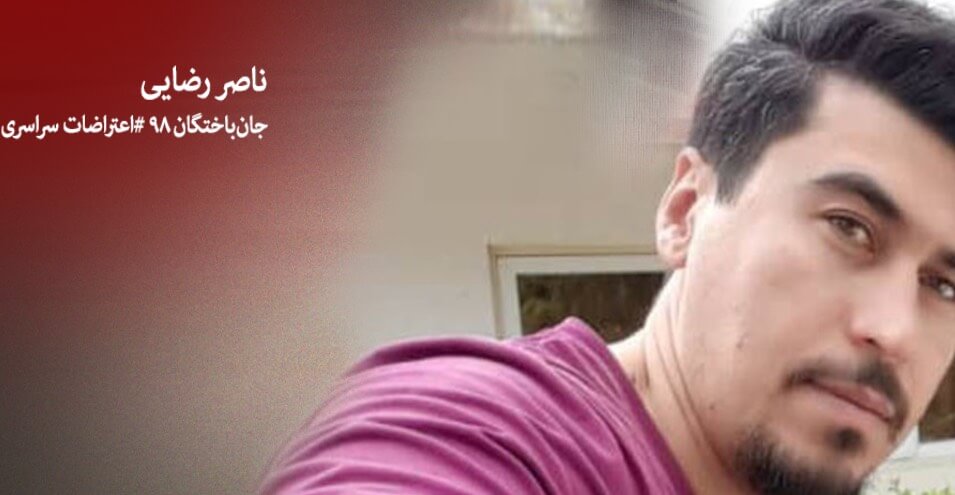
Mansour Rezaei, the brother of Nasser Rezaei, who died from a gunshot wound on Sunday, November 16, 2019, said in an interview with the Campaign for Human Rights in Iran that his brother had protested, but security agencies had asked his family to introduce him as a "passerby" in an interview with Iranian television and say that he was killed by "evildoers."
Mr. Rezaei told the campaign that his brother was shot in the right eye and that his death certificate listed the cause of death as “gunshot wound.”
There are no accurate figures on the number of people killed in the November protests in Iran. The Islamic Republic's authorities refuse to provide official figures on the number of people killed and detained. Amnesty International has documented 304 cases, and Reuters, citing sources in the Iranian Interior Ministry, reported that around 1,500 people were killed during the November protests, as well as an order from the Iranian Supreme Leader to end the protests "by any means possible."
The Campaign for Human Rights in Iran has stated in a statement that the Iranian authorities' use of violence against protesters in Iran, including the use of firearms and weapons, has resulted in the deaths of hundreds of people, and that these government actions amount to a clear and unjustifiable violation of international law and must be stopped immediately.
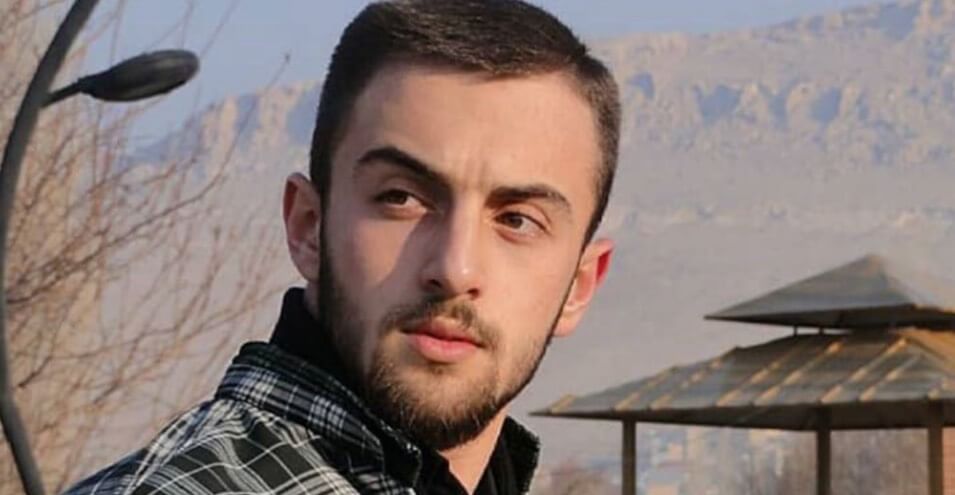
Nasser Rezaei, according to his brother, was 35 years old and graduated in agricultural engineering. Mansour Rezaei told the campaign: “Nasser had changed his major and was buying and selling cars in the same Fardis in Karaj where he lived with his wife, who had been married for two years. The day he was killed, I spoke to him on the phone at around 5:45 PM, and a quarter of an hour later, because he was in the protests, I called him again out of concern, and another person answered my brother’s phone and said that he had been shot. We live in Sanandaj, and by the time we reached Karaj, it was midnight, and they wouldn’t even let us get close to Ghaem Hospital, where my brother had been transferred. The street was closed.”
“It was around 7 am when we went to the hospital and they said that Nasser’s body had been sent to Behesht Sakineh. We went to Behesht Sakineh and they said that we had to sign a letter and promise that there should be no funeral and that the burial should be done as soon as possible on the day they announced the change. They didn’t take any money from us and we took over at 6 pm that same day and set off for our city and buried him at night in Qorveh, Sanandaj, without any ceremony or funeral, and only our family and a few acquaintances who had been informed were there.”
Nasser Rezaei's brother told the campaign about the pressure he and his family faced from security agencies: "We only had one ceremony in the mosque, which was also attended by security forces. They wanted to interview me in a show where they gave me a piece of paper, I kept the paper, and I had to say what they wrote on the paper. They said that Nasser was a passerby, that the bad guys shot him, and things like that. They wanted to get away with it and say that the shooting happened by people. I refused. They said to file a complaint, but we didn't file a complaint. They said we would declare him a martyr and pay blood money, but we refused to accept any of that."
He told the campaign that he did not know which organization or institution the plainclothes officers who requested such an interview from Nasser Rezaei’s family were from. Mansour Rezaei told the campaign: “My brother was not a passerby, he was a protester and was present at the protests, and even the day he spoke to me, he told me that we should get our rights this time. He had no affiliation with any organization, and now many are asking who he went with. He did not go with anyone. He went spontaneously and was protesting the high price of gasoline, he was protesting the government, he went and they answered him with a bullet. A bullet that hit him in the right eye.”
Nasser Rezaei's brother reported the continued harassment by security forces, saying: "They continue to harass me, for example, I wanted to take an exam for a certificate, but they didn't let me, and they gave me fake reasons and prevented me from taking the exam. They said you're not old enough, I said why did you sign up, why did you charge me money? They took the meeting card they had given me and didn't answer anymore. My parents were hospitalized, and the officers came to me in the hospital and took my cell phone from me. They said we had to check it for security reasons, and they returned it after about two weeks. They didn't let us write on his tombstone the way we wanted to, and wherever we went, for example, we went to get flowers or a tombstone, they immediately followed us and answered questions."
Mansour Rezaei told the campaign: “We wrote Shamlu’s poem on Nasser’s tombstone. They said we shouldn’t write that either. But we wrote it. Nasser’s favorite poem, which whispered, “A man sat down from the wind of the accident, a man rose like lightning from the accident, bit that disgrace and made a shield, he wanted to be called Vienna without a shield.” At the bottom of this poem, we wanted to write the cause of death as a bullet wound, but they went and erased it and said they wouldn’t let you put a stone. They erased it, but the poem remained.”
Nasser Rezaei’s family has not filed a complaint to identify their son’s killer. His brother told the campaign: “They told us to go and complain, we will declare him a martyr and pay blood money. Who should we complain to? Who? The courts, which are their own, do not investigate. We must have an audience. We do not know that we were in Sanandaj, they were in Fardis, Karaj, until we arrived and handed over the body of a shot man. Which institution should we complain to? Who? They said, let’s complain, and after a while we will go and say that we agree to be declared a martyr, then they will print banners and put them around the square that he was a Basiji. I myself saw those who printed banners in the name of the Basiji. We did not complain and we do not accept neither martyrdom nor blood money. There is nothing we can do. My father is 70 years old and my mother is 65 years old, there is nothing they can do. I can only inform you that the media cannot do anything for us.”
Mansour Rezaei told the campaign that his brother's death certificate was not given to his family: "They didn't give us the death certificate. In Behesht Sakineh, when Nasser's body was delivered through the glass, they opened the file and said, 'Come and see and confirm the details.' I saw right there that the cause of death was gunshot wound, but they didn't give it to us."
Source: Iran Human Rights Campaign