Zahedan's Bloody Friday, a tragedy that will not be healed by a peace meeting and a 10-year sentence
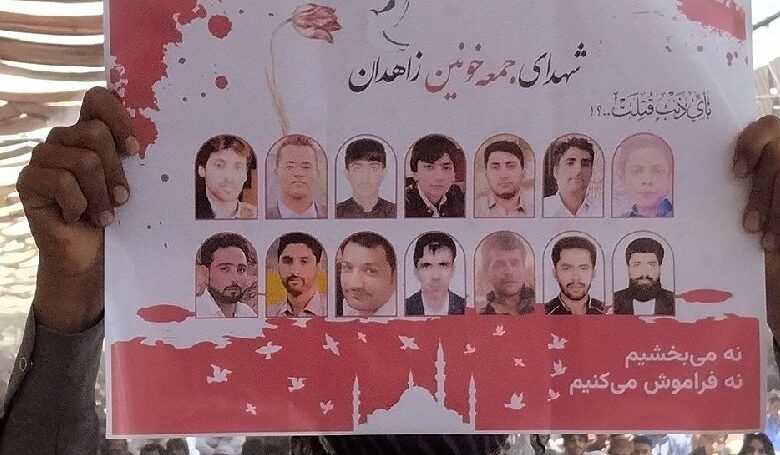
On the third anniversary of Zahedan's Bloody Friday, even the peace conference and the 10-year sentence did not heal the tragedy.
A peace and reconciliation meeting and apology from the governor of Sistan and Baluchestan to the families of the victims of the Mecca Mosque were held on "Bloody Friday in Zahedan," but the 10-year prison sentence for the perpetrators of the shooting and the reduction of the disaster to an "accident" continue to arouse anger and grievances from the families.
Three years have passed since the "Bloody Friday of Zahedan" on October 28, 1402, the day when worshippers at the Mecca Mosque took to the streets after praying and were met with gunfire. Dozens of people died and many were injured on that day, an event that is still vivid in the collective memory of the people of Sistan and Baluchestan.
Not long ago, the judiciary announced that the defendants in this case had been sentenced to the “severe legal punishment,” meaning 10 years in prison. A sentence that not only did not meet with public approval, but also drew serious criticism from the families of the martyrs and political activists. Former MP Moin al-Din Saeedi said: “Accepting only ten years as the sentence for the murderers was difficult for the people. October 8, 1401, was the greatest disaster that the province of Sistan and Baluchestan has experienced since the time of the Medes.”
With the coming to power of the 14th government, the governor of Sistan and Baluchestan, Mansour Bijar, held a peace and reconciliation meeting with the families of the victims at the Mecca Mosque and officially apologized on behalf of the government. The governor's advisor on social affairs, Safar Eslami, considered this action to be a salve for some of the people's wounds and emphasized that "the murder was accepted, the perpetrators were convicted, and the families showed a kind of tacit consent by attending the meeting."
However, Saeedi believes that using the word "accident" for this disaster is a reduction of the issue and a disregard for its dimensions. He emphasized: "In the early days, even the essence of the issue was not recognized by some authorities and the people were branded as separatists. This is while the people of Balochistan consider themselves Iranians more than anything else and are loyal to the territorial integrity of the country."
According to local officials, blood money has been paid to the victims and the Martyrs' Foundation has followed up on many cases, but these measures have failed to repair the depth of the rift between the people and the government. Saeedi says: "October 8 was definitely a rupture between the people and the government. This rupture was becoming a fault. Efforts must be made to completely repair it."
Now, although the peace and reconciliation meeting and the governor's apology are considered a positive step, the families' grievances still remain: Why was the main attacker not identified? Why was only a ten-year prison sentence issued? And why was such a major disaster reduced to an "accident"?
Zahedan's Bloody Friday is a wound that has not yet healed, a wound that cannot be closed by paying blood money or by peace meetings alone, but rather requires transparency, true justice, and accountability at the highest levels of governance.