World Education Day; One-year report on the status of the right to education in Iran
Coinciding with the International Right to Education Day, the Human Rights Activists Group in Iran has presented the following report examining the status of education and training and the treatment of activists in this field, including teachers and students, between January 24, 2020 and January 24, 2021.
The right to education is a fundamental right that should be available to all children at least at the primary and basic levels, free of charge. However, many students in Iran are deprived of their right to education due to a lack of educational facilities and spaces and dilapidated schools. According to the CEO of the Society for the Protection of Children’s Rights (SPRC), approximately 1 million children live in underdeveloped or impoverished neighborhoods in Iran who are deprived of education, and 49,000 children are not attending school due to lack of identity cards or false employment. While this figure does not fluctuate much from year to year, during the coronavirus pandemic, the number of children deprived of education has almost tripled. This increase is due to the lack of proper infrastructure for online education and the sudden change in the form of education from classrooms to online schools during the coronavirus pandemic.
At the university level, in addition to the many systematic challenges to university entry, many students are barred from pursuing higher education because of their religious beliefs. Those who follow religions not officially recognized by the government, particularly Baha’is, are not allowed to pursue higher education. In addition to being banned from completing their higher education at Iranian universities, Baha’i students are also denied access to online education. Many teachers and students or individuals associated with the Baha’i Institute for Higher Education (BIHE) have been arrested and sentenced to long prison terms in recent years.
Also, many students and teachers have been arrested, suspended, fired, or reprimanded for expressing their thoughts and opinions, holding peaceful assemblies, or publishing student publications.
These actions violate freedom of thought and religion, freedom of opinion and expression, freedom of assembly, and the right to education. It should be noted that the right to education includes equal access to higher education for all on the basis of merit.
Elementary and preparatory education
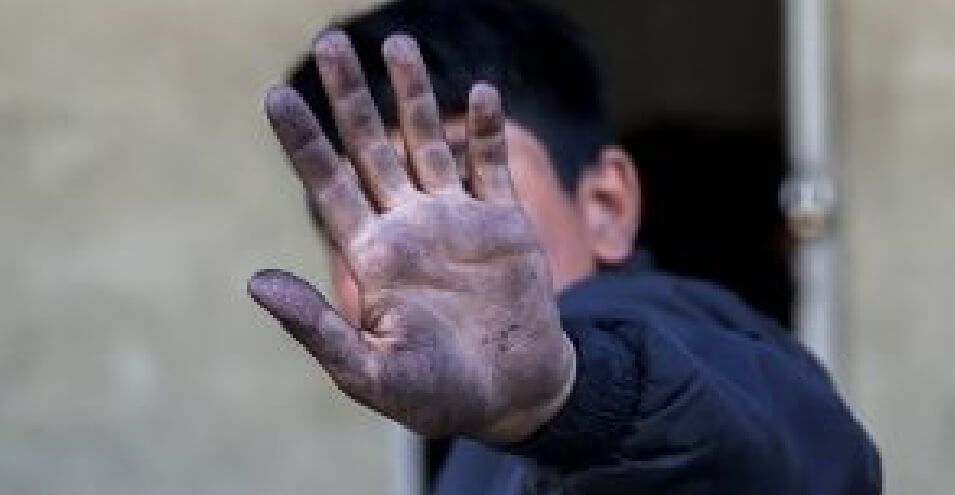
Access to primary and elementary education has not been equally accessible to all due to various factors, including lack of infrastructure, lack of services for children without birth certificates, poverty, and cultural and linguistic discrimination. According to the CEO of the Society for the Protection of Children’s Rights, approximately 1 million children live in underdeveloped or impoverished neighborhoods in Iran who are deprived of education, and 49,000 children are not attending school due to lack of birth certificates or false employment.
While this figure does not fluctuate much from year to year, during the COVID-19 pandemic, due to the lack of adequate infrastructure for online learning and the sudden shift from classrooms to online schools caused by the COVID-19 pandemic, we have seen an almost threefold increase in the number of children deprived of primary education. According to the Minister of Education, 3.25 million children are deprived of education due to lack of access to the internet or devices such as smartphones, tablets and computers.
With the outbreak of the coronavirus and the closure of schools, the Ministry of Education announced that it would resume teaching students online using a platform called “Shad.” The online platform, which requires internet access, has been criticized by teachers and civil society activists since its inception. The problems with online education in Iran and the sudden closure of schools without significant support for disadvantaged students, the lack of reliable internet access in many parts of the country, especially in rural areas, and the inability of students and their families to afford the necessary devices for this type of education, such as smartphones, have been among the criticisms.
Children without ID cards: Another major discriminatory aspect of the “Shad” platform is that it requires students to register with their national identification number, which has left undocumented children without access to primary and secondary education.
Children in rural and nomadic areas: There are also reports from different parts of the country that due to the lack of proper internet connection infrastructure, children have to climb to high places near their places of residence, such as mountains and hills, to be able to connect to the Shad network and attend classes.
Children from slums or urban fringes: A large portion of Iran’s population lives on the outskirts of cities or in poor housing conditions. Children living in these conditions are disproportionately affected by the sudden shift to online education. According to the Iranian Land Planning Association, by 2020, 45% of Iran’s population lived in homes located in slums or urban fringes. “If we calculate 45% of the country’s 85 million population, today 38 million people live on the outskirts of cities or in poor housing,” said the association’s head. According to this statistic, almost half of the country’s population lives in conditions that make online education inaccessible or difficult for them.
University and higher education
Higher education in Iran is restricted to a national entrance exam system (Kankur), an exam that all students who wish to enter university must take and are admitted to their chosen universities and majors based on their ranking in the exam. This exam is highly competitive, and most students are not accepted to their chosen universities or majors. In recent years, fewer seats have been allocated to female students, following the policies of the Supreme Leader of Iran, yet female students still occupy more than half of the universities with a higher acceptance rate than male students. According to the head of the Sanjesh Institute, responsible for conducting the national university entrance exam (under the Ministry of Science, Research and Technology), in 2020, 101,912 women passed the national university entrance exam, which is 53.6% of the total number of those who registered.
The following section contains statistics from the Statistics Department of Human Rights Activists in Iran regarding the situation of students and teachers in Iran over the past year.
In the period from January 24, 2020 to January 20, 2021, a total of 7 students were arrested. 11 students and student activists were also sentenced to 512 months in prison and 222 lashes. On the other hand, 21 cases of student gatherings and 3 cases of house searches and seizure of personal belongings were recorded.
Meanwhile, on February 29, 2019, four students in Qazvin were poisoned and taken to medical centers due to a methane gas leak from a sewage well at the city's Buin Zahra University of Engineering.
It should be noted that twenty students from the University of Mohaghegh Ardabili were reprimanded and suspended for gathering and participating in a memorial ceremony for those who died in the Ukrainian plane crash.
In addition, 23 Baha'i students were denied access to education.
The student publications "Dati" and "Forough" were also banned during the same period.
Teachers and teachers' union activists:
Between January 24, 2020 and January 20, 2021, a total of 3 teachers were arrested and 13 teachers and teachers' union activists were sentenced to 334 months in prison, 45 lashes, and a fine of 12 million and 110 thousand tomans.
Also, on August 10, 2020, a teacher in Jareh and Baladeh, a district of Kazerun city in Fars province, committed suicide by consuming poison. The reason for this act was stated to be his failure to pass the literacy movement exam.
Source: HRANA