“The Islamic Republic’s approach to eliminating dissidents abroad has become more aggressive”
Referring to the anniversary of the Mykonos assassination, the head of the Iranian Political Refugee Center in Berlin warned against the repetition of assassinations of opponents of the Islamic Republic in Europe. He said that Tehran authorities have reduced their “precautionary” policy in Europe.
With 27 years having passed since the Mykonos assassination and the Islamic Republic of Iran's conviction by a court in Germany, Hamid Nozari, head of the Iranian Political Refugee Center in Berlin, says that the Islamic Republic has taken a "more aggressive" approach to eliminating its opponents abroad compared to previous years.
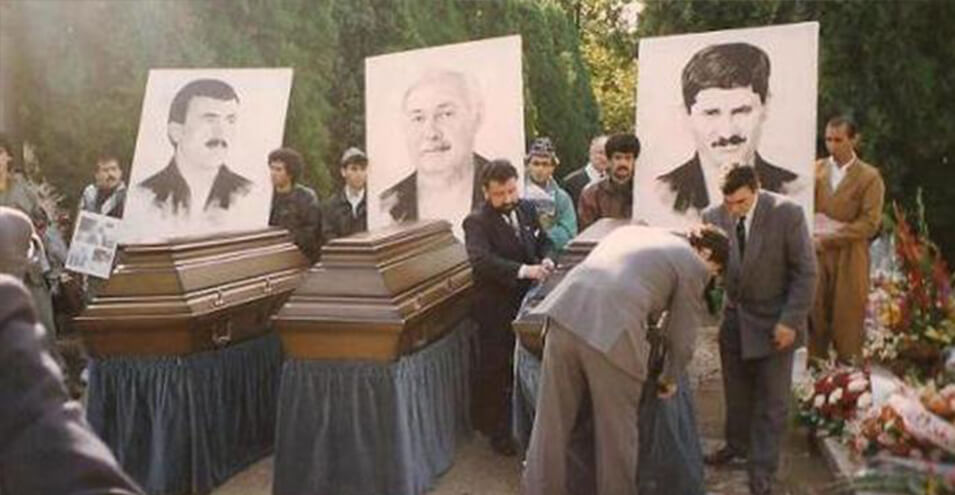
Many experts believed that the Mykonos incident and the conviction of Iranian officials marked the end of the operation to eliminate dissent. On September 17, 1992, 27 years ago, Sadegh Sharafkandi, Ghasemlou’s successor as leader of the Democratic Party of Kurdistan of Iran, was assassinated along with three of his companions at the Mykonos restaurant in Berlin. The Mykonos court accused “high-ranking officials” of the Islamic Republic of involvement in the murder of its opponents abroad, and Iran was convicted of state terrorism for the first time by the Mykonos court.
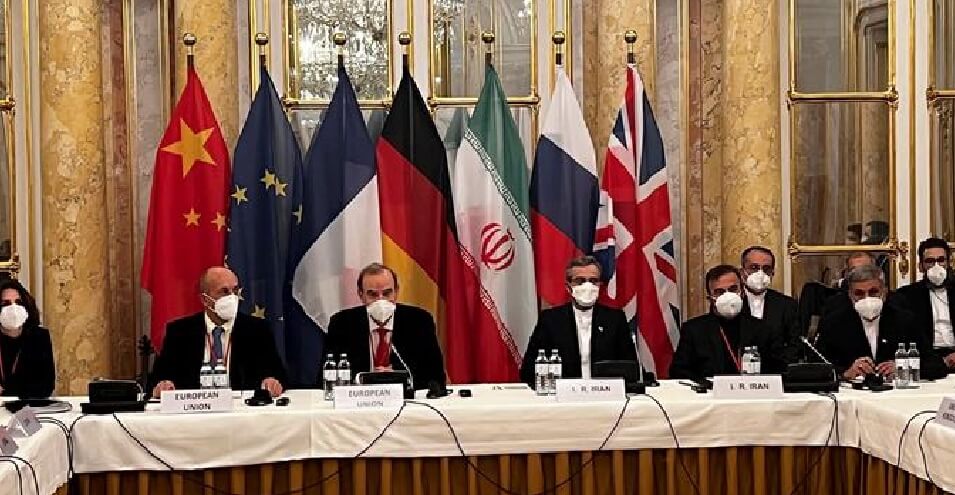
Nozari believes that the arrest of some officials and agents of the Islamic Republic in Austria and several Western European cities in recent years shows that the Islamic Republic's "policy of eliminating opponents" continues.
He is referring to the arrest of the third secretary of the Iranian embassy in Austria, who was pursued and eventually arrested last year (2018) on suspicion of participating in and being involved in the bombing of a gathering of the People's Mojahedin in Paris.
Nozari says that in the forty years since the Islamic Republic came to power in Iran, the regime's policies on foreign issues have changed, and terrorist operations and the elimination of opponents abroad continue to be carried out.
The end of the “precautionary” policy
After the Islamic Republic's conviction in the Mykonos court, political observers believed that Iranian authorities would limit or stop the scope of their cross-border operations in European territory; according to Nozari, this was initially thought to be the case, but the activities of the Islamic Republic of Iran in Western Europe over the past two or three years have "diminished" that perception.
Nozari, pointing out that the Mykonos assassination has taken other forms and that Iran's intelligence activities abroad, especially in Western Europe, have increased in recent years, says: "After the Mykonos case, it was thought that the Islamic Republic would be less active and more cautious on European soil, but with the arrest of the third secretary of the Iranian embassy in Austria for the bombing of an opposition meeting in Paris, we realized that this perception was not very close to reality."
He evaluates the activities and "movements" of the Islamic Republic in Denmark, the Netherlands, Belgium, and France as a sign of the expansion of the Islamic Republic's intelligence and operational activities abroad, and believes that these activities have increased compared to the past.
Nozari adds that the Islamic Republic acted “very cautiously” regarding intelligence and operational activities on Western European soil, “at least for a period.”
The reason for this caution seems to be the consequences of the Mykonos assassination and the Islamic Republic's conviction, which caused a strain in European relations with Iran. After the Mykonos court ruling, European governments, in a coordinated move, recalled their ambassadors from Tehran until, shortly after, Seyyed Mohammad Khatami became the president of Iran and relations with Tehran gradually improved.
“Unseen Arrow in Africa”!
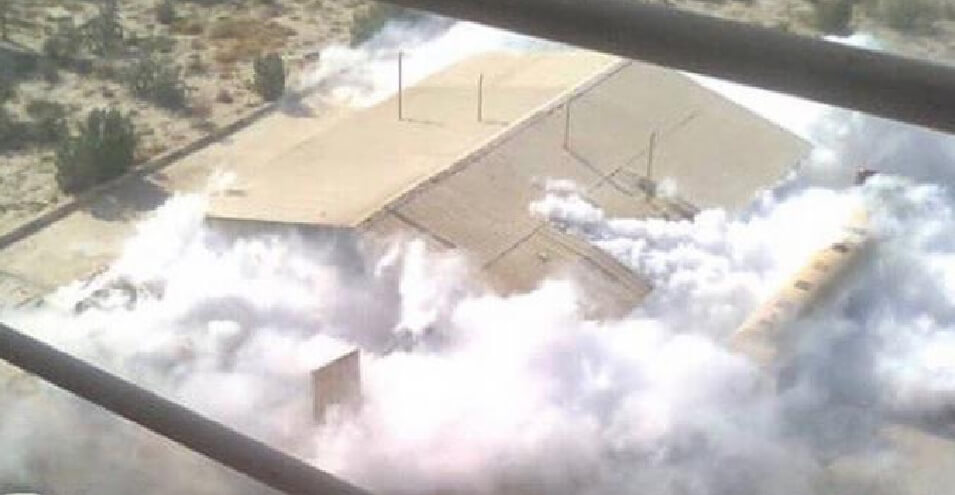
Nozari refers to the Islamic Republic's "temporary withdrawal" from overseas operations and the elimination of opponents in Europe, but says that at the same time as this temporary withdrawal, Islamic Republic officials admit that they have conducted overseas operations in neighboring countries and against their regional opponents: "The Islamic Republic approves of actions such as bombing Kurdish positions in Iraq and attacking the People's Mujahedin. Even Mahmoud Alavi, the Minister of Intelligence of the Islamic Republic, said that a person in Africa was caught by unseen bullets from the soldiers of the Imam of the Time. All of this shows that the physical elimination of opponents outside the borders has continued."
Source: DW