Alarm bells sounded in Greater Tehran
There is a possibility of a larger earthquake.
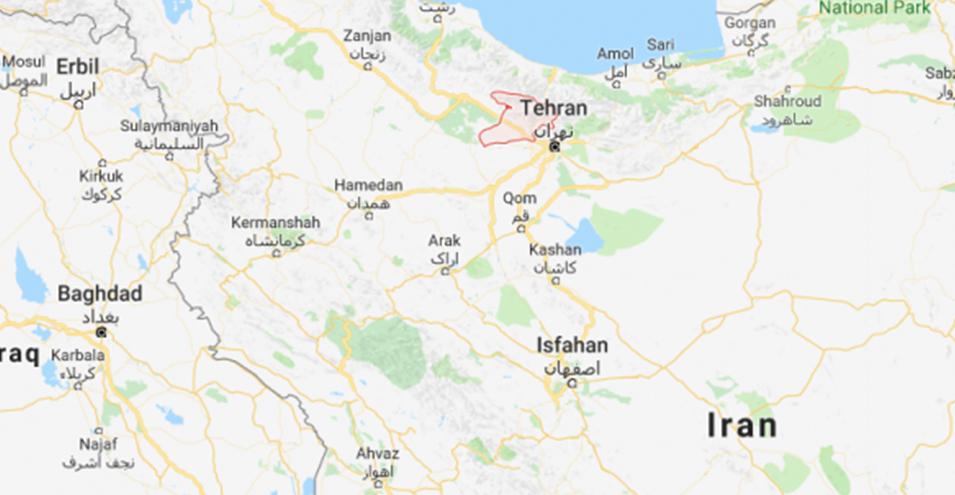
According to FCNN, as we have been posting on this site for a long time, an earthquake was felt in Tehran moments ago. The epicenter of this earthquake, measuring 5.2 on the Richter scale, was Meshkindasht, Alborz Province.
According to the Geophysics Institute of the University of Tehran, the exact time of the earthquake was 23:27, and the earthquake was felt in Qom, Qazvin, Gilan, and Arak in addition to Tehran. The magnitude of the earthquake was reported to be 5.2 on the Richter scale.
The head of Iran's seismic database said in this regard: "So far, 6 aftershocks have been recorded, and if this is the main earthquake, the aftershocks will continue."
Mehdi Rahmati stated that six aftershocks have been recorded so far, adding: "After the 5.2-magnitude earthquake, two aftershocks of 2.1 and four aftershocks of less than two magnitudes occurred."
"It is likely that a larger earthquake will occur," he said.
Radi, head of the country's seismological center, also announced: "It seems that the end of the Eshtehard fault has been activated and people should be careful."
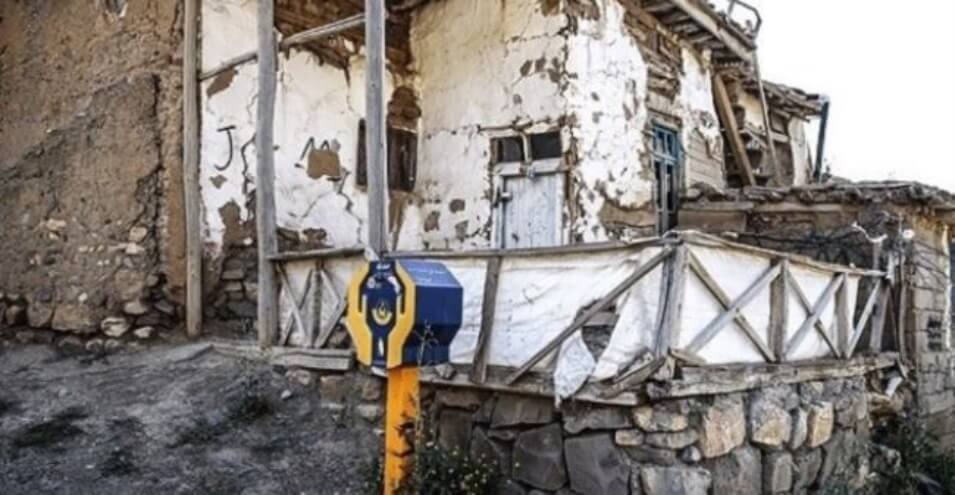
Most experts believe that Tehran will sooner or later witness a major earthquake, and given the dense population, dilapidated infrastructure, lack of relief facilities, and the destruction of hospitals, this earthquake could turn into a humanitarian disaster. Despite all these warnings, the government, municipality, and citizens are still not taking any action to make the city's structures earthquake-resistant.
Instead of holding pointless meetings and wasting time, it is better to get to work as soon as possible and think of a fundamental solution, taking into account the following points.
1- The need to increase safety standards in buildings and urban infrastructure, even in areas where the probability of earthquakes is lower
2- Strengthening and securing vital urban networks such as communication lines, electricity, water, and gas networks in large cities.
3- The need to increase the level of coordination between auxiliary forces and urban agencies.
4- Scientific and organized attention to social abnormalities and psychological problems.
5- Study and academic programs in the field of earthquake prediction and risk reduction