World Health Organization: Coronavirus may never go away

The novel coronavirus, which causes the COVID-19 disease and has caused a global pandemic, may “never go away or disappear,” according to experts at the World Health Organization. COVID-19 has already claimed nearly 300,000 lives.
Michael Ryan, the World Health Organization's emergencies director, stated at a press conference in Geneva on Wednesday evening, May 13, regarding the possibility of the new coronavirus persisting: "This virus may become an endemic epidemic in our communities and never disappear."
According to him, the HIV virus, the cause of AIDS, has never been eradicated. "But in the case of AIDS, the world has managed to achieve the necessary preventive measures and drugs, so that the virus has lost its ability to cause fear and panic," he added.
Ryan also said, "I don't want to compare these two diseases [AIDS and Covid-19], but we have to be realistic."
According to the World Health Organization's emergency director, there is very little chance of completely eradicating the new coronavirus (SARS-CoV-2), which causes COVID-19.
But he believes that achieving this will require a highly effective vaccine, one that is produced in sufficient quantities and distributed worldwide. Moreover, “everyone has to agree to be vaccinated.” “Each of these steps is fraught with challenges,” he added.
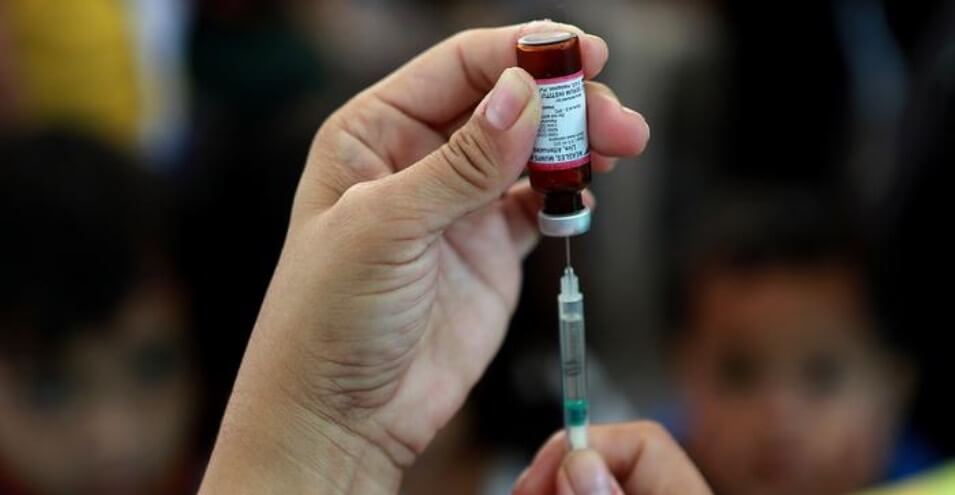
Ryan also addressed the issue of vaccines at the Geneva press conference, criticizing the skepticism surrounding vaccinations as well as the shortcomings in health systems in many parts of the world.
He noted, "We have very effective vaccines in the world that we are not using properly and perfectly."
In this regard, Ryan mentioned measles, which has not been eradicated despite the available vaccines, and the number of people infected with it has even been increasing again for several years.
Maria van Kerkhove, a World Health Organization expert who also attended the meeting, addressed the issue of containing the new coronavirus.
According to him, “this virus can be contained by taking the necessary measures to identify infected people, isolate them, and rely on effective treatment.” He added that scientists and researchers are currently working hard to find a vaccine to combat COVID-19.
World Health Organization experts are offering their warnings and assessments as many countries around the world begin to ease coronavirus restrictions.
Michael Ryan, the World Health Organization's emergencies director, clarified in this regard: "Reducing restrictions does not mean the end of the crisis by any means. Returning to some kind of normal life is a long road."
He warned that easing restrictions before the number of infected people has dropped sufficiently risks us facing a sharp increase in cases again.
Ryan added: "It is dangerous to ease restrictions without then doing widespread testing to diagnose coronavirus and being able to track chains of infection."
According to the latest figures published by Johns Hopkins University, more than 4.347 million people worldwide have been identified as infected with the new coronavirus, and nearly 300,000 people have died from COVID-19.
Source: DW