UNICEF warns: Child vaccination rates have dropped
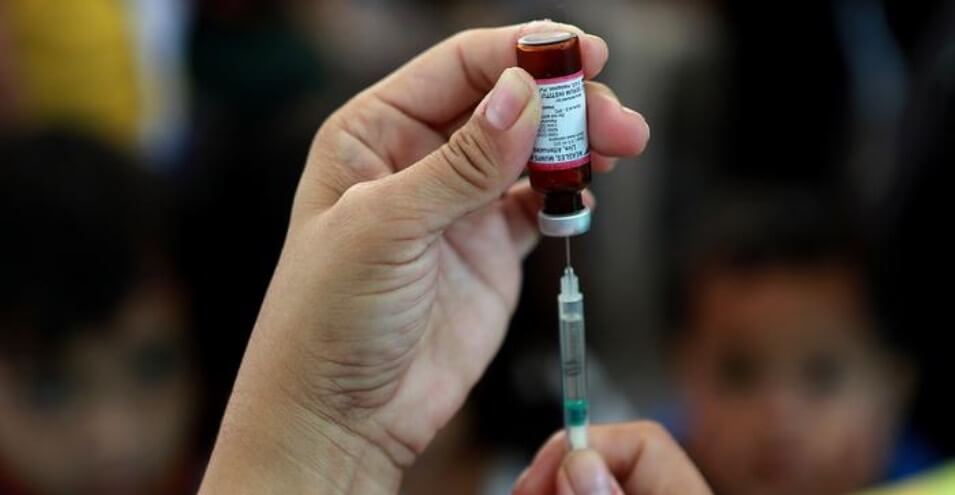
The United Nations and its children's fund (UNICEF) have warned that vaccination rates among children have dropped significantly during the coronavirus pandemic, and that continuing this trend could jeopardize gains in this area. The warnings are particularly directed at Africa.
UNICEF and the United Nations have expressed concern over the apparent decline in childhood vaccinations during the coronavirus pandemic. The statement, released in Geneva on Wednesday, July 15, highlights that at least 30 measles vaccination campaigns around the world have been suspended, which could lead to an outbreak of the respiratory infection in children this year or next.
UNICEF and the United Nations are particularly concerned about the risk of measles outbreaks in countries like Nigeria. UNICEF Representative Peter Hawkins says this is a critical time for Nigerian children: “Currently, 30 percent of children under five in Nigeria do not have access to measles immunization.”
The United Nations Children's Fund notes that vaccinations of young children in the first six months of this year have decreased compared to the same period in 2019, and this is related to the spread of the coronavirus. Hawkins says it is necessary to think about future measures: "One of them is to take advantage of the health and medical structures that are being created to deal with the coronavirus."
A joint study by the World Health Organization, UNICEF, and the Gavi Alliance for Vaccines and Immunization (GAVI) shows that before the COVID-19 pandemic, about 14 million children worldwide were deprived of measles, diphtheria, tetanus, and pertussis vaccines, most of whom live in Brazil, Mexico, India, Pakistan, Indonesia, and the Philippines.
But for example, the vast majority of children in Germany are fully vaccinated. The Robert Koch Institute, citing school surveys and health insurance records, reports a high vaccination rate of 90 percent among children, which has remained stable for the past 10 years.
"This rate includes vaccines for diphtheria, tetanus, polio, pertussis, Haemophilus influenzae type b (Hib), and hepatitis B," the institute said in a report prepared in response to a government request.
The Robert Koch Institute says that since ten years ago, 95% of all German children have received the measles, mumps, and rubella vaccine in the first dose, and the second vaccination rate at the same time is between 90 and 93%.
Vaccination is not mandatory in Germany, but it is recommended and followed by all health and educational authorities.
UNICEF says the pandemic has taught everyone how valuable vaccines are and how seriously infectious diseases, which pose a potential threat, must be taken. The agency has previously warned that shortages of medical supplies, disruptions in the supply chain due to transport restrictions and the severe strain on health services caused by the coronavirus pandemic have led to a sharp decline in vaccination services in Asia, Africa and the Middle East. UNICEF Executive Director Henrietta Fore expressed concern that children from poor and vulnerable families are particularly vulnerable to outbreaks of measles, cholera or polio.
Source: DW