UN calls for 'immediate' release of Kurdish political activist Zeinab Jalalian
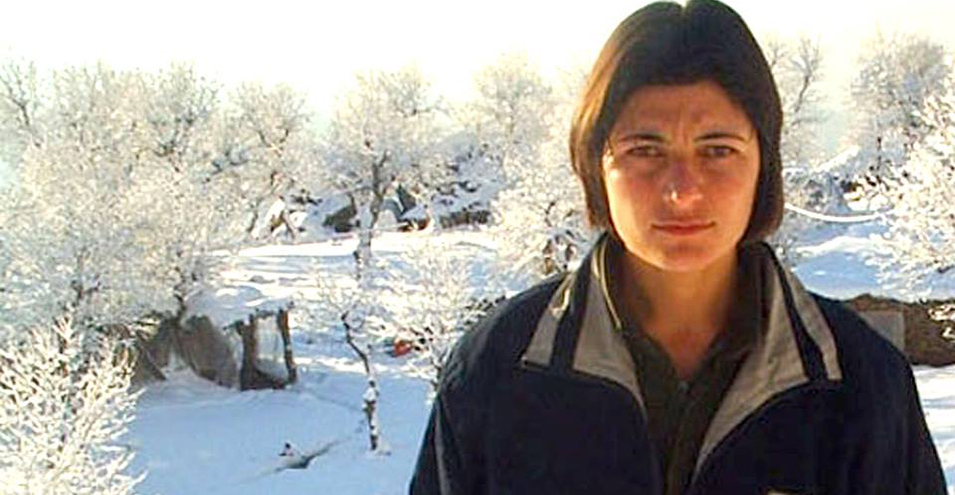
The UN Working Group on Arbitrary Detention called on the Islamic Republic of Iran to “immediately” release Zeinab Jalalian, a Kurdish political activist and the only female political prisoner sentenced to life imprisonment.
According to the Justice for Iran organization, in this statement, the Iranian government is obligated to prosecute those responsible for violating the rights of this Kurdish political activist.
Zeinab Jalalian was arrested on March 10, 2007, on charges of collaborating with the Free Kurdistan Party (PJAK).
Human rights organizations say Ms. Jalalian has been in prison for the past 8 years without leave and has lost her health due to “torture and prison conditions.”
According to a report by human rights organizations, “Zeinab Jalalian contracted a deadly eye disease during her imprisonment and is now at risk of blindness after losing the ability to see far in both eyes. She also contracted a severe intestinal infection and internal bleeding during her years of detention and requires urgent and specialized treatment. Despite Zeinab’s family’s announcement of their readiness to cover the cost of her treatment, security officials have so far not agreed to transfer her out of prison for treatment, and in their latest move in March 2015, they made sending her to the hospital conditional on holding a young member of her family hostage.”
The UN Working Group on Arbitrary Detention has considered "the appropriate legal remedy in this case to be immediate release and reparation of all damages suffered" for Zeinab Jalalian, given the risk of irreparable harm to her physical health.
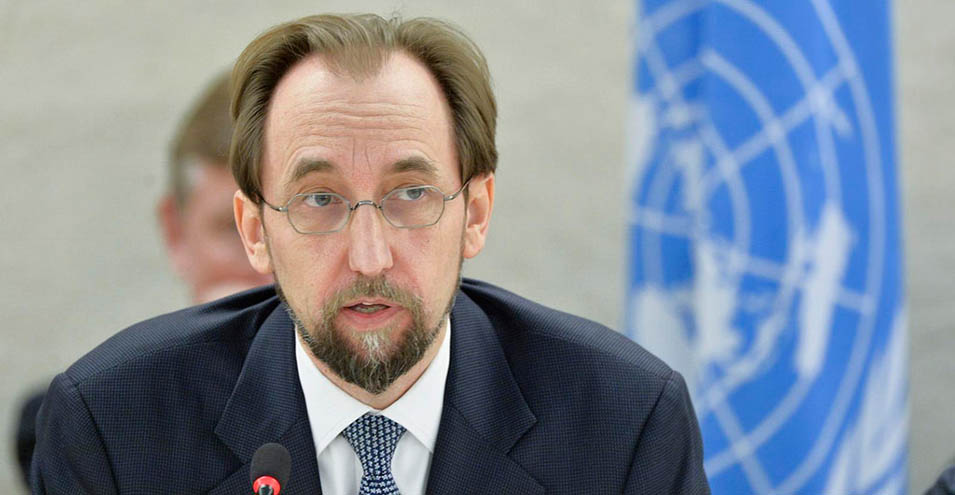
The Working Group on Arbitrary Detention is a sub-committee of the UN Human Rights Council. Five independent experts from this body, after investigating arbitrary detentions, provide their opinions to governments and call for accountability.
The UN Working Group on Arbitrary Detention has so far ruled that detention and imprisonment were unlawful in a small number of cases related to Iran, including the arrests of Mir Hossein Mousavi, Mehdi Karroubi, and Zahra Rahnavard, leaders of the protest movements following the 2009 elections in Iran, and Abdolfattah Soltani and Nasrin Sotoudeh, lawyers.
Source: BBC