The deadly shadow of scattered mines near Shiraz
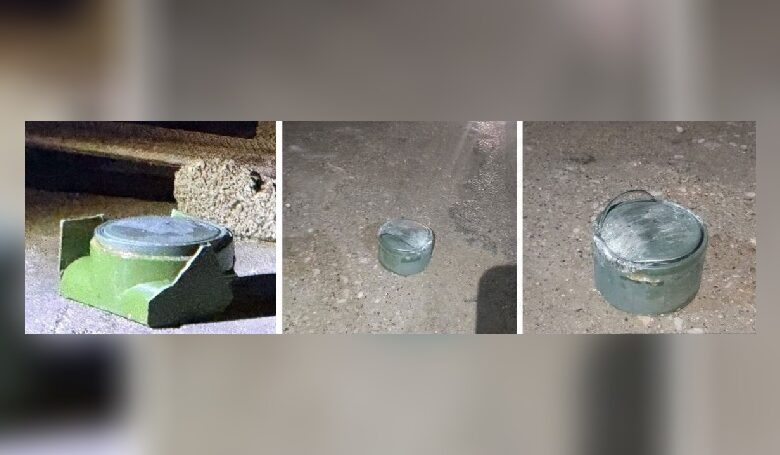
The report of the discovery of cluster mines near Shiraz indicates a deadly and persistent threat to civilians in Shiraz.
New reports based on analysis of open-source data and published images reveal the use of a type of high-risk weapon near residential areas around Shiraz; weapons that, due to their uncontrollable nature, can threaten the lives of civilians for a long time.
Evidence of the use of airborne cluster mines near the village of Kafri has been found, according to findings published by Bellingcat. The investigation, based on image analysis, public data, and assessments by weapons experts, paints a disturbing picture of the situation in the region.
By examining the physical characteristics of the remaining parts, experts have suggested that these munitions are BLU-91/B anti-vehicle mines, which are used in a system called "Guitar." This system is capable of dispersing a large number of mines over a wide area, turning a large area into a danger zone each time it is used.
According to NR Jensen-Jones, the presence of components such as "aerodynamic matchers" indicates that these mines were dropped by cluster bombs and from the air. Amal Kotlarsky also confirmed that the munitions belong to the "Gitter" system, a system that can simultaneously distribute a combination of anti-personnel and anti-vehicle mines over a wide area.
Estimates show that each unit of this system can scatter dozens of mines in an area of about 200 by 650 meters; an area that practically eliminates the possibility of precise control of the landing site and their rapid identification.
The technical characteristics of these mines make them one of the most dangerous types of weapons for civilian environments. These munitions are activated with a delay after release and are equipped with a "self-destruct" mechanism; but this timing can vary from a few hours to a few days.
As a result, the risk remains even after military operations have ended. Some of these mines may explode if moved or even repositioned, greatly increasing the likelihood of accidental casualties.
According to the data collected, at least one civilian death has been reported as a result of contact with these mines, indicating the immediate and real threat these weapons pose to local residents.
The study also examines the possible origins of these munitions, noting that the United States is one of the few countries known to possess such systems. A review of data from the Stockholm International Peace Research Institute also shows that transfers of these weapons to other actors have not been officially reported. This could help identify possible routes of use or transfer of these weapons, although uncertainties remain.
From the perspective of international law, the use of mines (especially cluster munitions) has always been subject to serious criticism. The Anti-Personnel Mine Ban Convention (Ottawa Treaty) and the related protocols to the Convention on Certain Conventional Weapons (CCW) emphasize the restriction of such weapons.
Even in cases where countries have not joined these treaties, fundamental principles of humanitarian law, including the distinction between military and civilian targets, restrict the use of weapons with uncontrollable effects.
In this particular case, the proximity of the minefield to residential areas has compounded the concerns. While the intent of using these weapons may be to restrict access to military installations, in practice the consequences directly affect civilians.
Given that the exact number of mines remaining is unknown and there are likely undiscovered ones in the area, the risk continues. This situation not only threatens the safety of residents, but has also seriously disrupted their daily lives, from transportation to access to services.
Overall, the findings of this report show that the use of cluster mines near residential areas is not just a temporary threat, but creates a lasting crisis that can endanger civilian lives for years.