The coin has exceeded the 8 million toman mark; the dollar is in the range of 20,000 tomans.
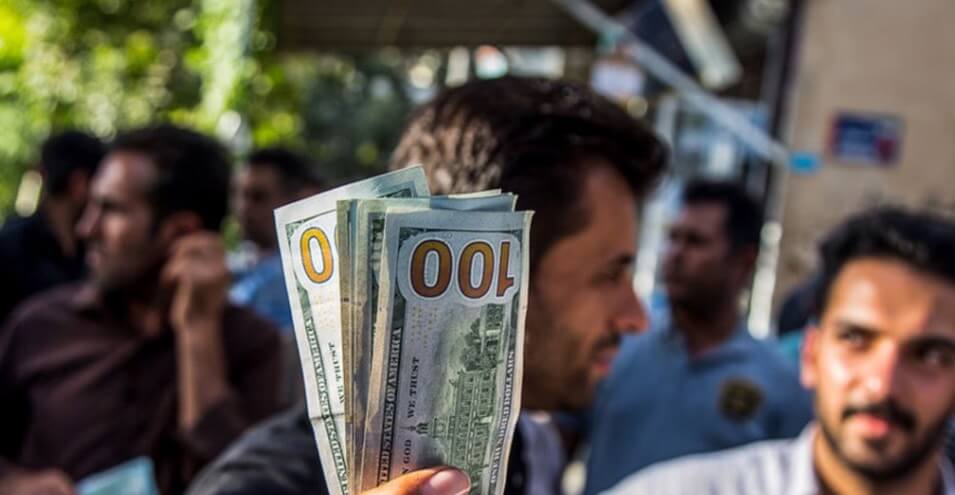
On Sunday, July 1, the price of the Emami coin exceeded 8 million tomans, an increase of more than 2.5 percent compared to Saturday, and the price of the Bahar Azadi coin also rose by 3.25 percent to 7 million and 950 thousand tomans.
On Sunday, July 1, the dollar rate in Iran's free market also reached 19,770 Tomans, an increase of nearly 500 Tomans compared to the previous day. Today's dollar rate in Iran's free market is considered a historical record.
The price of coins and dollars has increased by a third and a quarter, respectively, since the beginning of this year.
The price of currency and coins has always been on an upward trend with fluctuations over the past weeks, but since the adoption of the resolution by the International Atomic Energy Agency's Board of Governors on Friday, the upward trend in currency and coin prices has been a leap.
On Friday, economic experts predicted that the exchange rate in Iran would surge again, citing the approval of a resolution by the Board of Governors of the International Atomic Energy Agency.
However, at the same time, Abdolnaser Hemmati, the governor of the Central Bank of Iran, tried to refute such predictions by publishing a note, promising that the bank would "provide the currency needed by economic actors."
The head of the Central Bank of Iran wrote in his note: "The psychological atmosphere resulting from the resolution of the IAEA Board of Governors should not lead to the wrong signal being received."
But despite this "should not," the price of the currency increased on Saturday, and the price of one euro reached more than 21,200 tomans on the open market.
The country itself appears to be facing a decline in foreign exchange reserves. The International Monetary Fund has predicted that Iran's foreign exchange reserves will fall by $19.4 billion this year compared to the previous year, to $85 billion, and will fall again next year by more than $16 billion to $69 billion.
In this regard, on Sunday, Iranian President Hassan Rouhani announced that the Central Bank should warn all major debtors to return the foreign exchange earned from exports, and specify the payment date for them, and in case of violation, their violations should be addressed by introducing them to public opinion and the competent authorities.
He said that as a result of the sanctions, the transfer of foreign exchange has been difficult, and on the other hand, the conditions resulting from the spread of the coronavirus, including the closure of some borders, have also made imports difficult.
The United States withdrew from the JCPOA in May 2018 and subsequently reimposed all sanctions on Iran. In contrast, the Islamic Republic has gradually abandoned its commitments under the JCPOA since May 2019 and has deviated from the ceilings set in the nuclear agreement.
The Associated Press wrote in its report on Friday titled "The value of Iran's currency against the dollar has reached its lowest point," Five years ago, when the JCPOA was signed, the price of one dollar was 3,200 tomans, and today it has reached a historical record of over 19,000 tomans.
The US government has adopted a policy of maximum pressure against the Iranian government, accusing the Islamic Republic of "destabilizing the region," "supporting terrorism," and demanding that it stop its "missile activities."
Officials in the Islamic Republic have made mixed statements about the impact of the sanctions: on the one hand, they emphasize that the United States has not achieved its goals, and on the other hand, they occasionally speak of the extremely difficult conditions of the national economy.
Last week, First Vice President Eshaq Jahangiri said the country's oil revenue fell from $100 billion a year to $8 billion last year.
Customs statistics also show that the country's non-oil exports decreased by about 35 percent in the winter of last year compared to the same period in 2018, and by 48 percent in the first two months of this solar year compared to the same period last year.
Although Eshaq Jahangiri strongly criticized US sanctions in those speeches and considered them the main cause of economic problems, a few days later, in a phone call with the Syrian Prime Minister, he promised him more aid.
Source: Radio Farda