Beyond a long-standing enmity; Reza Pahlavi's vision for peace between Iran and Israel under the microscope
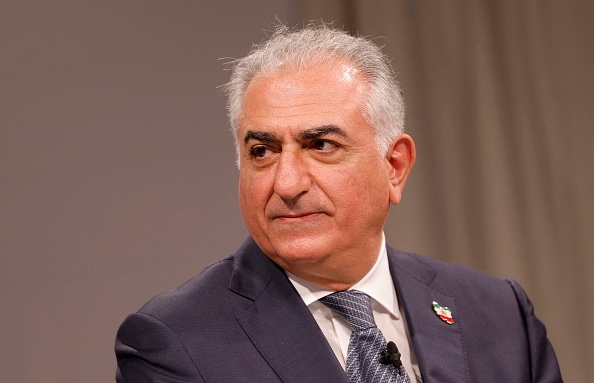
«اورشلیم پست»، به بررسی چشمانداز رضا پهلوی برای صلح ایران و اسرائیل در میان تردیدها و واقعیتهای ژئوپلیتیک پرداخت.
در شرایطی که تنشهای منطقهای همچنان سایه سنگینی بر روابط ایران و اسرائیل انداخته، روزنامه اورشلیمپست در سرمقالهای تازه به بررسی دیدگاههای رضا پهلوی درباره آینده ایران پرداخته و این دیدگاهها را، نه یک خیالپردازی صرف، بلکه طرحی قابل تامل توصیف کرده است؛ طرحی که بهگفته این روزنامه، ارزش شنیدن و ارزیابی دقیق دارد.
این سرمقاله با اشاره به سخنرانی اخیر رضا پهلوی در کنفرانس «اقدام سیاسی محافظهکاران» (CPAC) در ایالت تگزاس، تاکید میکند که پیام او باید همزمان با واقعیتهای پیچیده سیاسی منطقه سنجیده شود. پهلوی در این سخنرانی، خواستار پایان کامل جمهوری اسلامی شد و از مخاطبان خود خواست خاورمیانهای جدید را تصور کنند که در آن ایران دوست اسرائیل است. او همچنین تاکید کرد که در صورت تغییر نظام سیاسی، ایران میتواند به شریکی دموکراتیک برای ایالات متحده و اسرائیل تبدیل شود.
تحلیلگران اورشلیمپست در عین حال یادآور شدهاند که این تصویر آینده در کنار جذابیت خود، با محدودیتهای جدی نیز روبهروست. بهنوشته این روزنامه، پهلوی نه یک برنامه اجرایی فوری، بلکه چارچوبی فکری ارائه داده است که بر یک تمایز کلیدی تاکید دارد: «اینکه جمهوری اسلامی نماینده تمام مردم ایران نیست و خصومت با اسرائیل، بخشی از ایدئولوژی حاکمیت است، نه یک ویژگی ذاتی در هویت ایرانی.»
این تمایز، بهویژه از نگاه اسرائیلیها، اهمیت راهبردی دارد. طی دهههای گذشته، جمهوری اسلامی با حمایت مالی و نظامی از گروههایی مانند حزبالله لبنان، شبهنظامیان شیعه در عراق و حوثیهای یمن، شبکهای از فشار منطقهای علیه اسرائیل ایجاد کرده است. در چنین فضایی، تغییر روایت درباره ایران، نیازمند بازتعریف عمیق درک متقابل میان دو طرف است.
در بخش دیگری از این تحلیل، به بُعد تاریخی سخنان رضا پهلوی اشاره شده است. او با ارجاع به دورههای کهن تاریخ ایران و نام بردن از کوروش بزرگ، تلاش میکند تصویری متفاوت از ایران ارائه دهد؛ تصویری مبتنی بر تساهل دینی و همزیستی، که پیش از شکلگیری گفتمان خصمانه جمهوری اسلامی وجود داشته است. این بازگشت به تاریخ، بهگفته نویسندگان سرمقاله، تلاشی برای ایجاد یک روایت جایگزین است که بتواند زمینهساز گفتوگوهای آینده باشد.
با این حال، اورشلیمپست هشدار میدهد که نباید از واقعیتهای میدانی غافل شد. این روزنامه تصریح میکند که یک سخنرانی، هرچند مهم، نمیتواند معادلات امنیتی منطقه را تغییر دهد یا تهدیدهای جاری را از میان ببرد. بهویژه پس از رویدادهایی مانند حملات خشونتبار سالهای اخیر، بیاعتمادی عمیقی میان طرفها شکل گرفته که بهسادگی قابل رفع نیست.
در عین حال، این سرمقاله بر اهمیت «تشخیص لحظههای گشایش» تاکید میکند و نمونهای مانند توافقهای ابراهیم را یادآور میشود؛ توافقهایی که پیش از تحقق، برای بسیاری غیرممکن به نظر میرسیدند. از این منظر، تلاش رضا پهلوی برای مطرح کردن امکان یک نظم متفاوت منطقهای، میتواند بخشی از روندی باشد که بهتدریج تصورات تثبیتشده را به چالش میکشد.
اورشلیمپست همچنین به پراکندگی اپوزیسیون ایران اشاره کرده و آن را یکی از موانع اصلی تحقق چنین چشماندازی میداند. بهنوشته این روزنامه، گذار سیاسی حتی در صورت وقوع، بهخودیخود به ایجاد ثبات، دموکراسی یا نهادهای کارآمد منجر نخواهد شد و نیازمند برنامهریزی و اجماع گسترده است.
در مجموع، این رسانه از سیاستگذاران در اسرائیل و ایالات متحده میخواهد رویکردی متوازن در پیش بگیرند: از یکسو پرهیز از نگاه رمانتیک به چهرههایی مانند رضا پهلوی و از سوی دیگر، اجتناب از نادیده گرفتن صداهایی که روایت متفاوتی از آینده ایران ارائه میدهند. به باور نویسندگان، یکی از خطاهای مکرر غرب در قبال ایران، محدود ماندن در چارچوبی بوده که جمهوری اسلامی را تنها نماینده این کشور فرض کرده است.
این سرمقاله در پایان تاکید میکند که اگرچه چشمانداز صلح میان ایران و اسرائیل هنوز دور به نظر میرسد، اما مطرح شدن آن در گفتمان عمومی، خود گامی مهم است؛ گامی که میتواند زمینه را برای تصور آیندهای متفاوت در منطقه فراهم کند، آیندهای که در آن بهجای تقابل دائمی، امکان همزیستی و همکاری نیز مورد توجه قرار گیرد.