"The morgues are full of corpses"; Reza Pahlavi's shocking account of repression in Iran
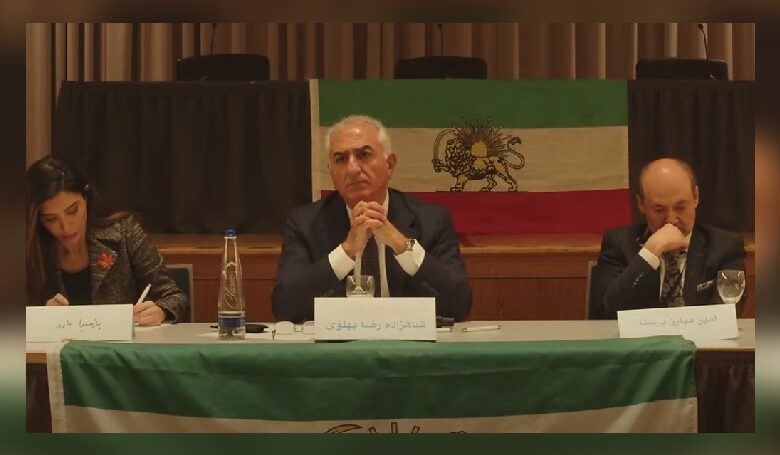
At the Munich Conference, Prince Reza Pahlavi, while pointing out the continuing massacre and the need for global solidarity with the Iranian people, warned against morgues full of corpses.
During a press conference and speeches on the sidelines of the Munich Security Conference, Reza Pahlavi, the son of the last Shah of Iran and a prominent figure in the opposition, spoke in a harsh and blunt tone about the current situation in Iran and the repression of protesters, sending important political and humanitarian messages to the world. The discussions and developments surrounding Iran's domestic protests and its international situation, along with increasing political pressures, have caused his words to receive widespread coverage.
In part of his speech, Reza Pahlavi presented a bleak picture of the suppression of protests in Iran, saying: “The morgues are full of corpses and the doors cannot be closed. They took the wounded with them in their skull bags.” This expression, which indicates the severity of the violence inflicted on the protesters, was widely emphasized in his speech.
Quoting Ukrainian President Volodymyr Zelensky, he said: "Zelensky said in Davos that the voice of the Iranian people was silenced in blood and the world did not pay attention to it." This statement reflects concern about the international community's indifference to the widespread killings in Iran.
Pahlavi also addressed critics of the Islamic Republic, saying, "This regime targets your citizens just as it massacres its own citizens. We see that targeted killings are being committed on your soil in Europe, and on the other hand, French teachers are taking a Swedish diplomat hostage in Iran." These claims, referring to cases of international violence and tensions, have presented a critical perspective on the behavior of the Islamic Republic.
He went on to emphasize the need for “firm unity,” saying, “What we need now is a firm unity so that the Iranian people can liberate themselves.” Thus, Pahlavi’s main message went beyond protest and emphasized the creation of a unified and planned political force.
Referring to international pressure on the Islamic Republic, Prince Pahlavi said: "Continue maximum pressure by dismantling the shadow fleet, sanctioning the Revolutionary Guard Corps, ending the internet blackout, and pursuing crimes against humanity, and calling for the release of political prisoners, as well as paving the way for democratic elections in Iran." Referring to economic pressure, human rights, and the role of sanctions, he called for more decisive action by governments to change the situation.
Pahlavi emphasized: “All 27 European Union countries have declared the IRGC a terrorist organization. The United States has firmly sided with the Shadow Fleet. However, we demand more diplomatic pressure. This demand has arisen from the blood of my compatriots.” These words indicate an attempt to expand international pressure on the Islamic Republic.
He once again emphasized that "my compatriots want this regime to be buried," announcing the creation of a unified opposition force, adding: "My compatriots have asked me to unify the opposition forces."
In his political vision, Prince Pahlavi spoke of a free and democratic Iran and continued: "The process of creating a new constitution under international supervision that would allow the Iranian people to determine their own destiny, a free and democratic Iran that is at peace with its neighbors." This proposal shows that his goal goes beyond overthrow and emphasizes the reconstruction of the political structure.
He also referred to the role of the United States, saying: “I say to President Trump, you sent a huge fleet and the people heard and believed you, so help them. Defending freedom is the duty of all of us.” Pahlavi concluded his speech with a sweeping statement: “Today, the people of Iran are giving blood and they need your solidarity, long live freedom and long live Iran.”
The speech came in the wake of widespread protests that have erupted in Iran in response to economic and social crises. Estimates of the death toll vary; some independent sources say more than 40,000 people have been killed in the protests, while Iranian officials have put the figure lower, a figure that is difficult to independently verify due to communications restrictions in the country.
At the same time, reports indicate an increase in the arrests of activists and civic leaders in Iran, a move that indicates an escalation of domestic repression and raises human rights concerns.
This speech, in “A Voice of Freedom or a Cry of Blood?”, represents a decisive stance on the domestic situation in Iran, using human rights rhetoric to attract global attention and attempting to combine the opposition’s political messages with international appeals. While domestic protests have been met with violence and severe repression, Pahlavi has called on the international community to step in and play a more active role.