Qalibaf: We Will Not Allow IAEA to Complete Enemy Spy Network
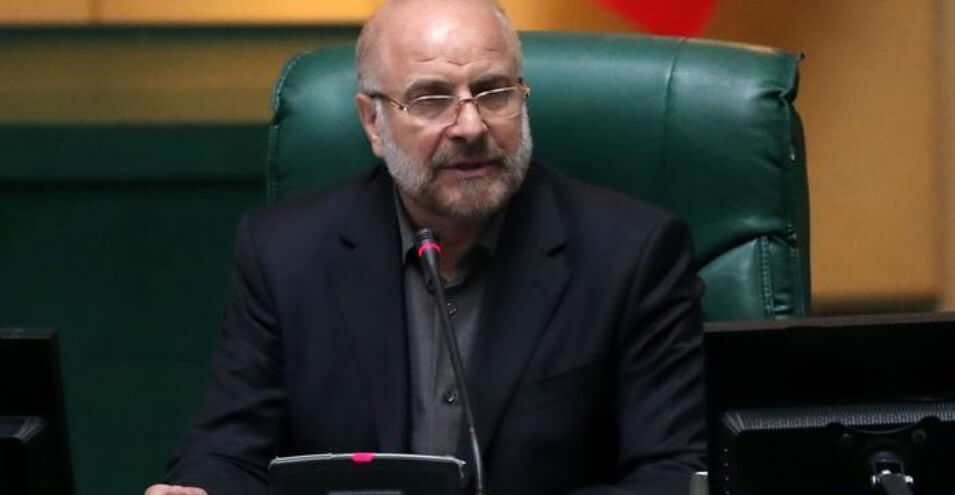
The Speaker of the Islamic Consultative Assembly, referring to a resolution by the Board of Governors of the International Atomic Energy Agency against Iran, said that the country will not allow the agency to “complete the intelligence and espionage ring of hostile countries.”
Mohammad Baqer Qalibaf, Speaker of the Islamic Consultative Assembly, described the recent demands of the International Atomic Energy Agency’s Board of Governors from Iran as “overreach” and said Iran will stand against it.
The Board of Governors of the International Atomic Energy Agency on June 30 (June 19) approved a resolution with 25 votes in favor, requesting Iran to immediately provide the agency access to all of its nuclear facilities.
Mohammad Baqer Qalibaf said on Sunday, July 5 (July 5) in a session of the Islamic Consultative Assembly: “The Islamic Republic and the representatives of the people will not allow the agency to have a free hand and do whatever it wants and complete the intelligence and espionage ring of hostile countries.”
Qalibaf added: “We expect the government and the Ministry of Foreign Affairs to implement the policies of reducing JCPOA commitments that have been decided on.”
Emphasis on Need for Access to “Two Suspicious Sites”
The Board of Governors of the International Atomic Energy Agency, in its first resolution against Iran since Hassan Rouhani’s government came to power, had requested access to “two sites suspected of nuclear activity.”
Analysts say these two sites refer to locations in Abadeh and Turquzabad. Benjamin Netanyahu, the Prime Minister of Israel, had previously claimed that Iran had hidden nuclear activities at these centers.
Iran condemned the Board of Governors’ resolution and said it will show an appropriate response at the appropriate time. The Islamic Republic also described the agency’s inspection request of the “two suspicious sites” as based on “false and baseless claims of enemies.”
Experts of the International Atomic Energy Agency believe that the Iranian government has prevented this international body from accessing these two sites and that “undeclared” activities have been conducted at these two centers.
Reuters news agency had predicted in a report that the approval of the Board of Governors’ resolution could, by increasing pressure on Iran, cause the country to eventually comply with the request for inspection of these two centers.
However, China believes that this resolution could ultimately lead to action by the UN Security Council and the death of the JCPOA.
Iran has repeatedly denied any activities aimed at producing nuclear weapons and has described its atomic activities as purely peaceful in nature.
Source: DW