Arsham Rezaei sentenced to 8.5 years in prison; he says his lawyer was not allowed access to the case file
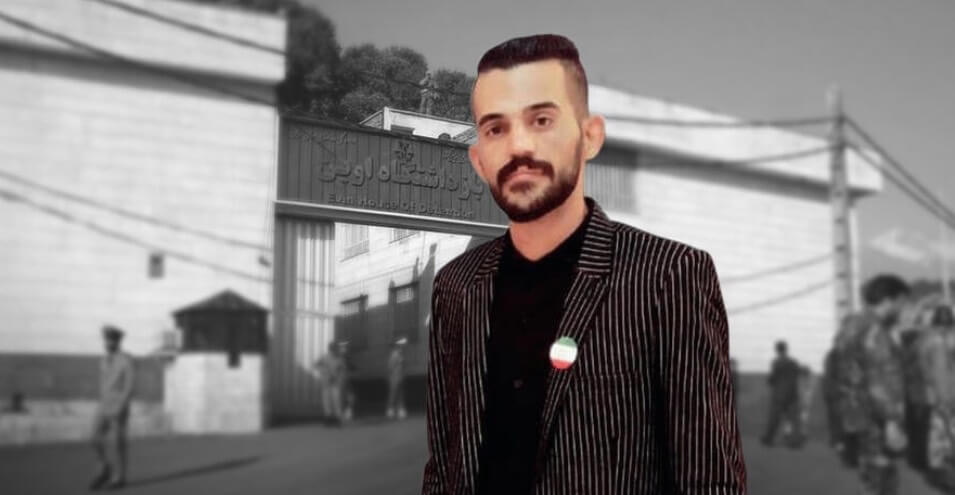
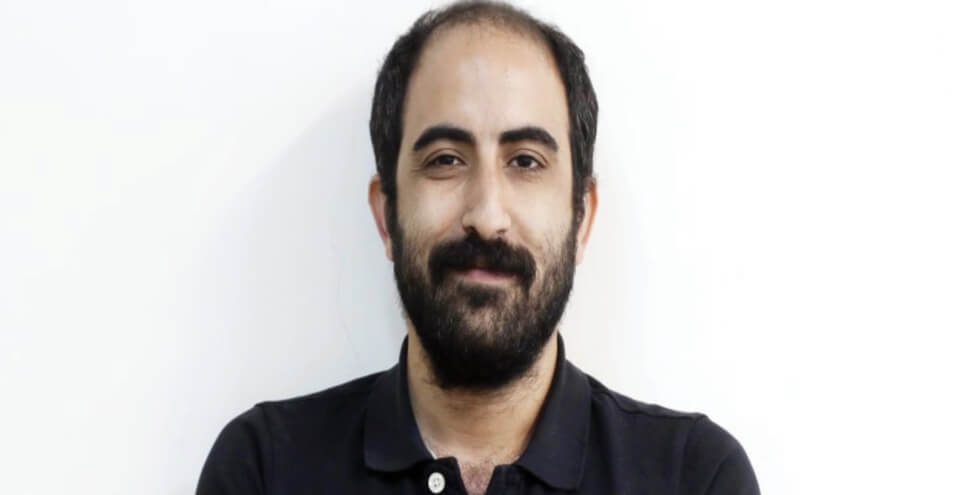
Civil activist Arsham Rezaei says that his 8-year and 6-month prison sentence is being upheld by the appeals court, but his lawyer was not allowed access to the case file.
Arsham (Mahmoud) Rezaei told VOA that Branch 36 of the Tehran Provincial Court of Appeals upheld the 8-year and 6-month prison sentence issued by Branch 28 of the Tehran Revolutionary Court. He was sentenced to this term on charges such as “propaganda against the regime,” “gathering and colluding,” “insulting the leadership,” and “possessing alcohol,” and according to Islamic Republic law, he must serve 5 years in prison after “combining sentences.”
Explaining the charges brought against him to Voice of America, Mr. Rezaei said that after his "violent arrest by the IRGC's intelligence forces" and the recording of his cell phone, the security forces sent messages to all of his contacts on his phone and arranged to meet them at the place of arrest. In the meantime, two of his friends were arrested while present at the scene, and in the case, the presence of these individuals is cited as evidence of the charge of association and collusion.
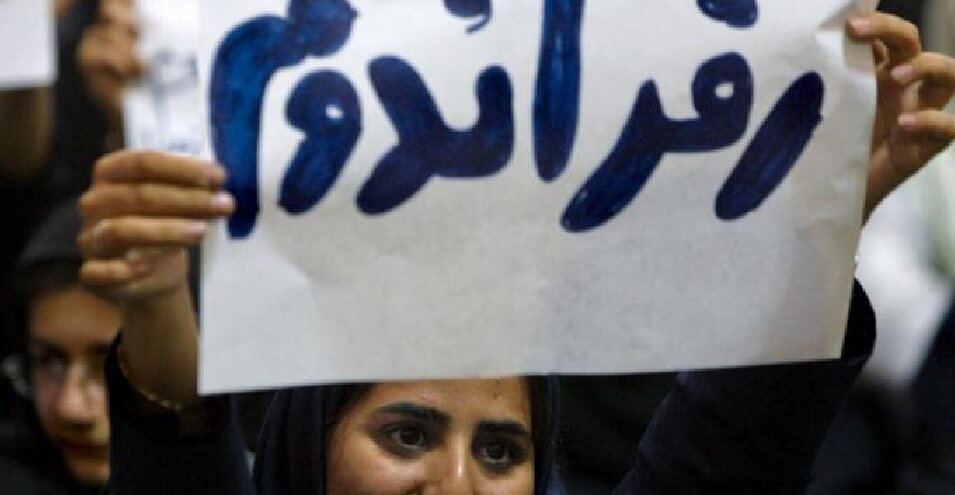
According to Arsham Rezaei, the charge of propaganda against the regime also includes his membership in some Telegram groups and the publication of a picture of him holding a placard with the slogan "No to execution," which was intended to call for the suspension of the death sentence of political prisoner Ramin Hossein Panahi.
This civil activist also says that when he was taken to search his home after his arrest, one of the items seized was a notebook with the words "Death to the dictator" written on one page, which is also cited as evidence of the charge of insulting the leader.
Arsham Rezaei, indicating that he does not accept the verdict, told VOA: "I definitely object to the verdict. Because I did not cause a riot and I was not present at any protest at the time of my arrest."
He says that when his defense attorney is denied access to the case file, he cannot submit a defense to the court regarding the verdict.
According to Mr. Rezaei, Judge Moghiseh did not allow the lawyer to enter the case, and to this day, the lawyer has not been able to study the case despite visiting the judge's office several times.
He believes that the judges in the case, including Judge Moghiseh and Judge Salavati, are not the ones who issue the activists' sentences; rather, the sentences are issued in advance by the detaining institutions and are read only by the judges.
This civil activist also spoke to VOA about forced confessions during his interrogation.
According to Arsham Rezaei, during the interrogation, he was taken to a room where at least six people with two cameras were present. In that room, the civil activist was given a piece of paper with things written against him on it, and the people present threatened him with a forced confession and forced him to read the things written on the paper in front of the camera.
The issue of forced confessions on Iranian state television has been raised many times before. This method of obtaining confessions has been criticized by human rights groups many times, although it is still being used by the Islamic Republic's judiciary.
Arsham Rezaei, a civil activist, was violently arrested on the street by the IRGC's Sarallah headquarters on Monday, January 7, 2018. After 10 months of detention, he was finally released from Evin Prison on November 12, 2019, after posting a bail of 200 million Tomans, temporarily pending the completion of the trial.
The US State Department has repeatedly condemned the Islamic Republic of Iran's violent actions against the people of Iran under various pretexts, as well as the repeated and persistent violations of the rights of Iranian citizens by agents of the regime.
Source: Voice of America