Geneva talks in shadow of trigger mechanism threat, Iran in dilemma of diplomacy and sanctions
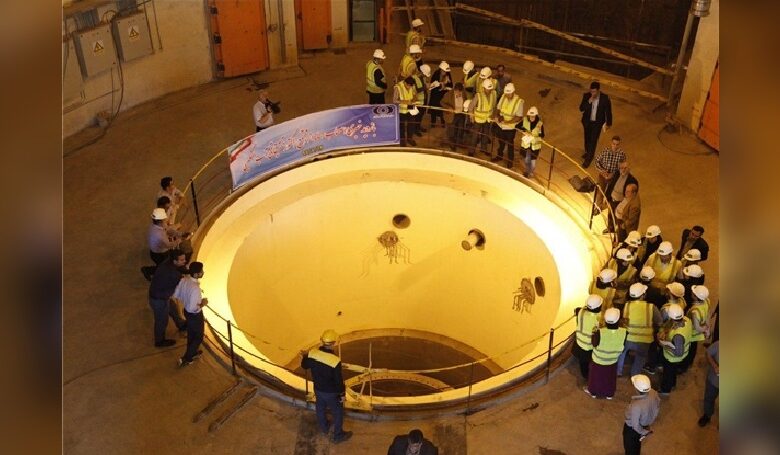
The Geneva talks indicate an increasing shadow of the threat of a trigger mechanism that puts Iran in a diplomatic and sanctions bind.
According to reports published by sources close to the Revolutionary Guards, new nuclear talks between Iran and three European countries including Britain, France, and Germany will be held in Geneva on Tuesday, August 26, corresponding to September 4. According to this report, the Iranian delegation will be headed by Majid Takht-Ravanchi, and on the other hand, the deputy foreign ministers of these three countries will also be present at tomorrow's meeting.
An informed source told the news agency that the main focus of the talks will be “nuclear issues and the issue of lifting sanctions.” The meeting follows consultations that were held last week by telephone between the foreign ministers of Iran, three European countries, and Josep Borrell, the European Union’s foreign policy chief, but did not yield any concrete results.
The three European countries, key members of the 2015 nuclear deal (JCPOA), have repeatedly warned that if Iran does not provide an acceptable solution to its nuclear concerns by August 31, they will use a mechanism known as the "snapback" or "trigger mechanism" that allows them to reimpose international UN sanctions against Iran.
In recent days, speculation has increased about the activation of this mechanism and Tehran's possible reaction. Experts believe that the limited time set by Europe has greatly limited the space for reaching an agreement and reduced the possibility of reaching a middle solution. Especially since the three countries' legal authority to use this tool is valid only until October; a factor that has led the European troika to use this option as leverage before the deadline expires.
Meanwhile, reports suggest that Iran and its regional allies are exploring legal avenues to counter this potential move. However, analysts believe that the case’s entry into the trigger mechanism would effectively mean the return of heavy UN sanctions and increased economic and political pressure on the Islamic Republic, a pressure whose consequences will be felt not only in the diplomatic arena but also in the daily lives of the people.
The Geneva meeting is being held at a time when relations between Tehran and Europe are at one of their most sensitive points, a point where the outcome could determine the future course of Iran's nuclear issue and the country's relations with the international community.