Christians in southern Lebanon besieged by war; hope for peace on the eve of Easter
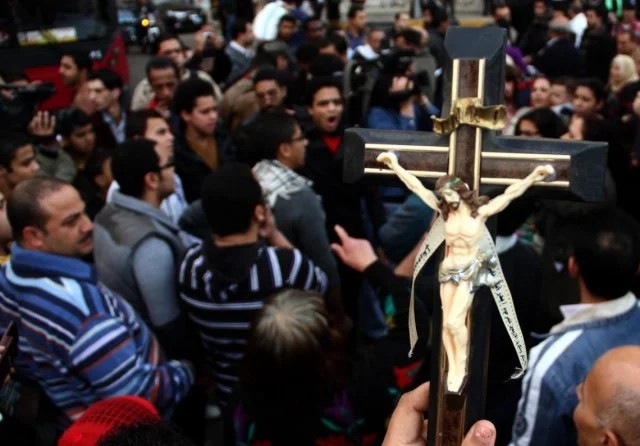
Christians in southern Lebanon, besieged by war, are looking forward to peace that will arrive in time for Easter, as fighting intensifies and resources are scarce.
As the conflict in southern Lebanon intensifies, the situation of thousands of Christians living in the country's border areas has become more critical than ever. Residents of towns such as Remish, Ain Abel and Dabel, which are predominantly Christian, have faced complex and insecure conditions amid military tensions between Israel and Hezbollah.
While many residents of southern Lebanon have fled the region following warnings and evacuation orders, a significant portion of the region's Christians have chosen to remain in their homes. This decision, rooted in their deep attachment to their land, churches, and local identity, now exposes them to serious dangers.
Recent developments, especially the withdrawal of Lebanese army forces from some border areas, have heightened concerns. These forces previously played an important role in creating a sense of security for residents. Their withdrawal, amid intensified exchange of fire between the parties, has created a significant security vacuum.
One of the region’s church leaders described the situation in a media interview: “The Lebanese army was protecting us and giving us strength.” He added that the retreat had created a sense of insecurity among the people. These comments reflect widespread concern among Christian families in the region.
In addition to the security threats, humanitarian crises are also intensifying. Food shortages, fuel shortages and the potential disruption of essential services such as water and electricity have made daily life difficult. “What is happening to us is that we are caught between a rock and a hard place,” said a local priest, referring to the difficult conditions of the residents. “Missiles and rockets are flying over the city,” he said, adding that “I hope the war will end by Easter and there will be real peace.”
The ongoing conflict has reportedly caused significant human losses and widespread displacement of residents in southern Lebanon. Critical infrastructure has been damaged in some areas and access to basic services has been limited. This situation has created additional challenges, especially for religious minorities who are concentrated in certain areas.
There have also been international efforts to mitigate the damage. US officials have said Israel has been asked to refrain from targeting Christian villages, provided that they do not become bases for military activity. However, the practical enforcement of these requests on the battlefield remains uncertain.
As Easter approaches, local churches have taken special measures to keep the faithful safe. Among other things, religious service times have been changed to reduce nighttime traffic and potential dangers. These measures reflect the efforts of religious leaders to maintain the spiritual life of the community in the midst of difficult circumstances.
Meanwhile, some residents are insisting on their decision to stay. “If you pull a tree’s roots out of the ground, will it survive? If you drive us off our lands, we want to die or return. We are attached to the land, to our houses and churches, to everything in this village. That’s why we decided not to leave,” said one local official.
Middle East experts believe that the historical presence of Christians in southern Lebanon is an important part of the country's multicultural fabric. Continued conflict and forced migration could further alter this demographic balance.
In such circumstances, the hopes of many Christians in the region are pinned on establishing a ceasefire and returning peace, especially around Easter; an occasion that for them symbolizes resurrection, hope, and the victory of light over darkness.