Ban on prayer in public places in Quebec, Canada, a threat to civil society
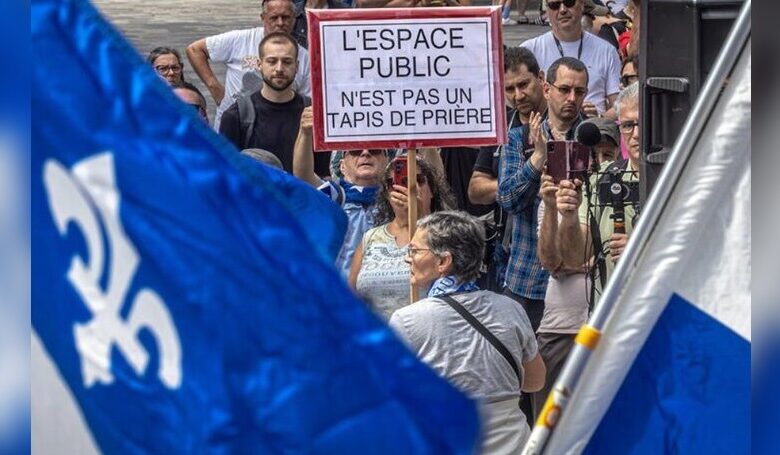
A Christian think tank in Quebec criticized the ban on prayer in public places, calling it a misunderstanding of the role of religion and a threat to civic life.
A prominent Christian think tank in Canada strongly criticized the Quebec provincial government's new plan to ban prayer in public spaces, calling the move a sign of a misunderstanding of the place of religion in society and a threat to civil institutions.
“The government intends to pass a law this fall that will prohibit prayer in public places,” announced Jean-François Roberge, Quebec’s minister responsible for secularism. The law, proposed by Premier François Legault, traces its roots to Muslim worshippers gathering at pro-Palestinian demonstrations, but in practice it covers all religions, including Christianity. This is despite the fact that Quebec remains one of the most religious provinces in Canada, with 64.8 percent of its population identifying as Christian.
"The increase in street prayers is a serious and sensitive issue in Quebec. Our government expressed its concern last December about this growing phenomenon, particularly in Montreal," Roberge said in a written statement.
In addition to the Christian think tank's opposition, the Canadian Civil Liberties Union also reacted to the plan, warning that such a ban could violate fundamental rights. The union stressed in a statement: "Public spaces belong to everyone, regardless of their religious beliefs. These spaces should be places where a diversity of beliefs, cultures and identities is respected and supported."
The Quebec-based think tank Cardus also expressed concern about a recent report by a government committee on Quebec's "laïcité" law, known as Bill 21. The law, passed in 2019, emphasizes the province's secularism model and prohibits government employees from wearing religious symbols while on duty.
Jean-Christophe Yasmin, director of Cardoso in Quebec, said in this regard: "The task of this committee is to paint a picture of respect for secularism and religious neutrality in government institutions. This committee must analyze any phenomenon that could hinder the effectiveness of these institutions, including the direct or indirect exercise of religious influence in the institutions of the province of Quebec."
"Religious communities are an integral part of the Quebec nation and their social commitment is for the benefit of all. Implementing recommendations that weaken this essential part of Quebec's civil society will also seriously undermine social cohesion and participation throughout Quebec," he warned.