Maulawi Abdulhamid: If You Slap a Prisoner, You Should Be Slapped
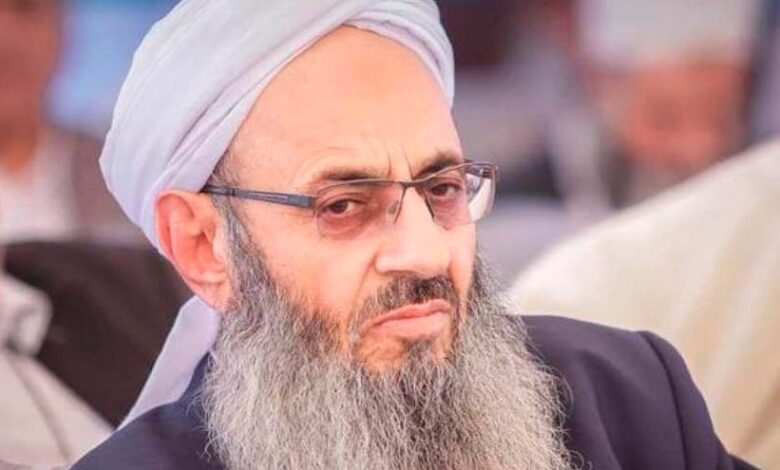
Maulawi Abdulhamid announced in his Eid prayer sermon that the government must ensure people’s freedom. If you slap a prisoner, you should be slapped.
Maulawi Abdulhamid, the Sunni Friday prayer leader of Zahedan, declared Friday, the 1st of Ordibehesht 1402, as Eid day and spoke in his Eid prayer sermon about governance, economic crisis, and difficult living conditions in Iran. In part of his remarks, he stated: “The government is incapable of managing the economic crisis, and many people’s capital has been lost due to currency price increases. Our money has gone out of control, and this is a serious danger and major problem. Despite Iran’s vast wealth, it faces serious economic challenges because profits go into the pockets of influential and powerful individuals and their associates, as well as special institutions. For this reason, ordinary people’s hands remain empty.
People also need justice and freedom, which the government must provide, and journalists and writers must also have freedom.
He also announced regarding the arrest of nationwide protest detainees: No interrogator in a detention center has the right to slap a prisoner; if they slap, from an Islamic law perspective, they should be slapped in return. If it is according to Islamic law and the command of the Prophet Muhammad, even a judge who slaps a prisoner should be slapped in return.”
Maulawi Abdulhamid also spoke about Zahedan’s Bloody Friday: “Many people are upset about their loved ones being martyred in those protests, killed without weapons, and the steps taken regarding the crime of Bloody Friday have been insufficient and do not answer people’s demands. The people of Zahedan and all Iranians are calling for justice and punishment of the perpetrators and instigators of this crime. Killing people is contrary to Islamic law and international laws, and even according to Iranian law, killing a protester is not permissible.”
The people of Zahedan on this day, holding their Eid al-Fitr prayer, while holding protest placards and emphasizing that “truth-telling and seeking justice is not a crime,” called on international and human rights organizations to hear the cry of oppression of the Iranian people, particularly in Baluchestan.