Reporters Without Borders' reaction to prison sentences against three Iranian journalists
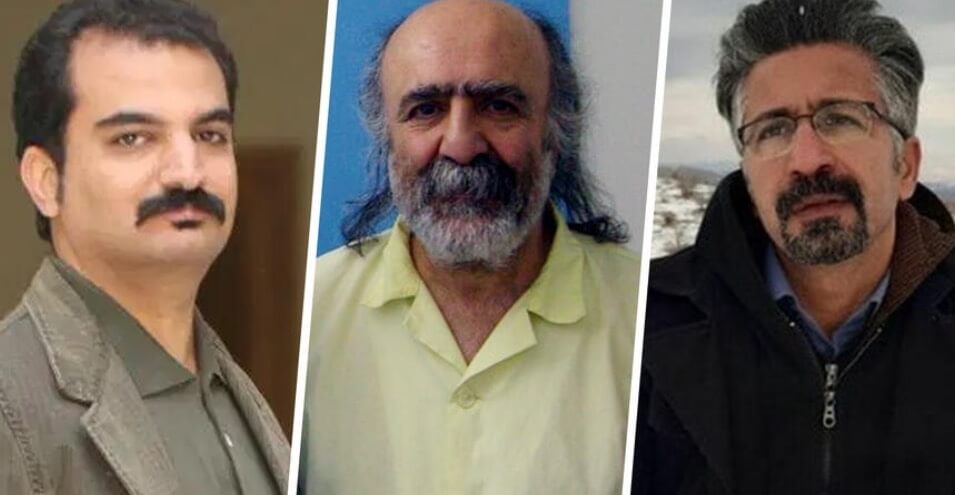
On Wednesday, June 19, Reporters Without Borders reacted to the prison sentences issued against three Iranian journalists: Shahram Safari, Keyvan Samimi Behbahani, and Khosrow Sadeghi Borujeni since the beginning of 2020, and provided details of the sentences issued.
According to the organization, Khosrow Sadeghi Borujeni, a journalist and member of the Tehran Free Journalists Association, was informed on June 14 that Branch 36 of the Court of Appeals had sentenced him to 7 years in prison. Shahram Safari, the director of the Telegram channel Ravij Press, was also sentenced to 91 days in prison by Branch 101 of Kermanshah Criminal Court 2 on the same date.
According to this report, Khosrow Sadeghi Borujeni was convicted on charges such as "insulting the founder of the Islamic Republic," "propaganda against the system," and "gathering and colluding against internal and external security," and Shahram Safari was convicted on charges such as "spreading lies," "disturbing public opinion, making people skeptical of the clerical community and the Qom Seminary," and "publishing statistics on COVID-19 patients."
The organization called Keyvan Samimi Behbahani “a prominent figure in Iranian journalism” and said he had been imprisoned before. The report states that Branch 26 of the Tehran Revolutionary Court sentenced the Iranian journalist to three years in prison on June 14 of this year.
Reporters Without Borders, while condemning the sentences issued to these three Iranian journalists, condemned the systematic issuance of prison sentences to journalists in Iran.
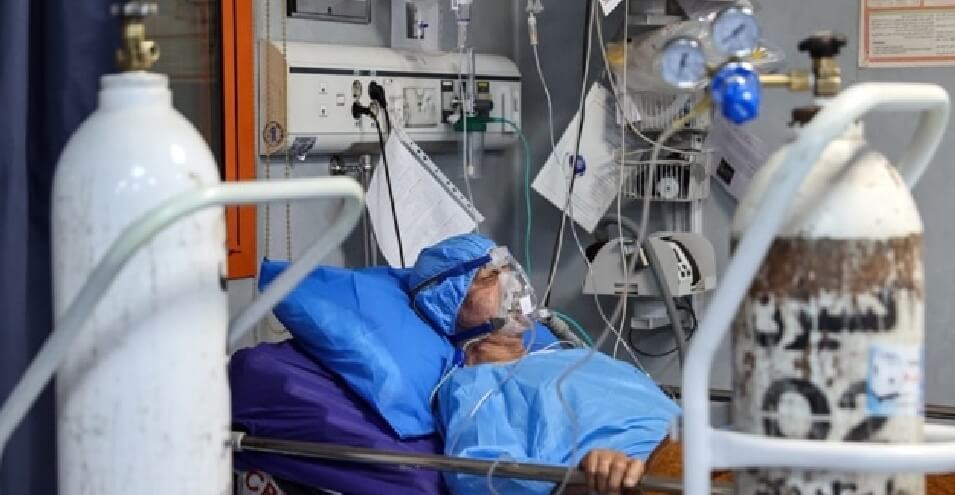
These sentences were issued to these Iranian journalists at the beginning of 2020, at a time when the situation in Iranian prisons has been declared worrying due to the spread of the COVID-19 virus. Earlier, news about the spread of the virus in Iranian prisons and the prevention of Iranian government officials from releasing or granting leave to some political and civil prisoners has been published by the media and human rights organizations.
The Islamic Republic of Iran has been criticized for its media repression and imprisonment of journalists. Reporters Without Borders announced in mid-May this year in a report titled “World Press Freedom Index 2020” that Iran ranks 173rd out of 180 countries.
Previously, the US State Department had published material titled "40 Years of Unfulfilled Promises" by the Islamic Republic on its Persian Twitter account, writing about corruption, lack of freedom of expression, lack of justice, and unfulfilled economic promises by Islamic Republic officials.
The US State Department wrote in these tweets that "Forty years ago, Ayatollah Khomeini promised freedom of speech and freedom of the press. Today, Iran has one of the most repressed media environments. The ruling regime has only failed for forty years."
Source: Voice of America