When corruption suspects write people a prescription for participation
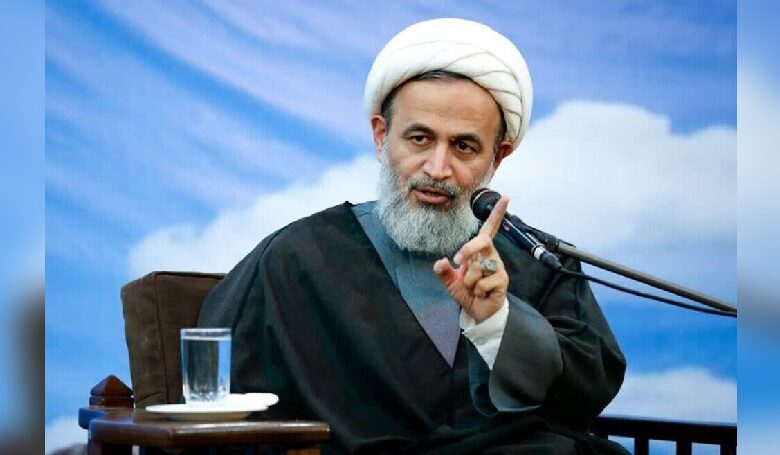
Panahian speaks of participation and responsibility while he himself is being questioned in corruption cases and ownership of luxury properties.
In a speech before Friday prayer sermons on Friday, September 14, in Sari, Hojjatoleslam Alireza Panahian once again criticized Western civilization and claimed: "Western civilization has turned people into passive observers and deprived them of real participation." Emphasizing the difference between Islamic society and Western societies, he said that in Islamic society, people are responsible and play a role, but in the West, the majority are just spectators.
Pointing to the difference in cultural symbols between the two civilizations, Panahian considered the amphitheater architecture a symbol of “spectator life” in the West, while in contrast, he introduced the mosque as a “symbol of participation and social responsibility.” He also emphasized the need to strengthen mosques in the social, economic, and cultural spheres and suggested that these places become centers for reporting corruption and monitoring government agencies, a clear contradiction between the moral lesson and reality.
These remarks come at a time when Alireza Panahian’s name has been heavily implicated in corruption cases in recent years. The first questions about his assets arose when documents and reports were published showing his ownership of expensive real estate in Lavasan, an area known as one of the most expensive in the country. The billion-dollar value of these properties was out of proportion to his official income as a cleric, creating a clear contradiction between his slogans of “defending the oppressed” and his personal lifestyle.
Panahian's supporters have described the revelations as a "project to destroy revolutionary figures," but critics believe that such justifications not only fail to convince public opinion, but also increase people's distrust of government structures. Panahian's closeness to Ali Khamenei has also made his case not just a simple financial affair, but also part of political and factional struggles within the power structure.
The Panahian case has now become a symbol of a larger crisis, the lack of financial transparency in government institutions and the lack of an independent mechanism to investigate allegations against influential figures. This contradiction, that is, those who themselves face corruption allegations, use official platforms to teach the public lessons about participation and the fight against corruption, is one of the points that has further damaged public trust.