The case of former Central Bank officials is being re-examined.
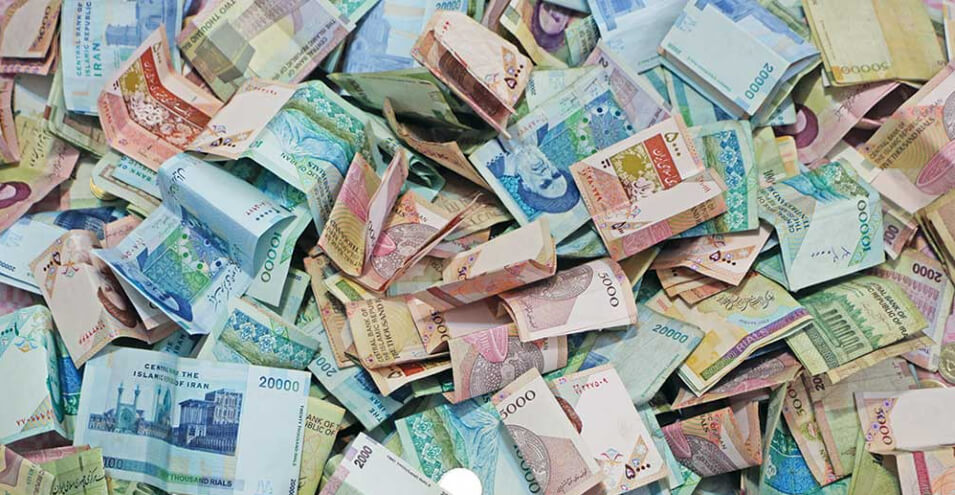
The Public Relations Office of the Supreme Court of Iran has announced that the retrial case of the former head and deputy head of the Central Bank, known as the "Interference in the Foreign Exchange System" case, will be reexamined.
According to the Supreme Court, the decision to retry the former Central Bank of Iran Governor Valiollah Seif, the then Deputy Foreign Exchange Director of the Central Bank, Ahmad Araghchi, and other defendants in this case, who were found guilty as executors of macro-currency policies, was issued by the First Branch of the Supreme Court, and the case will be referred to the relevant branch for re-examination.
Valiollah Seif was the head of the Central Bank of Iran for five years, from 2013 to the summer of 2018. He was opposed to the 4,200-toman exchange rate policy. After the currency turmoil in 2018, he and a number of managers and brokers were charged with “disturbing the currency system.”
The case against former Central Bank managers includes the name of Ahmad Araghchi, former deputy foreign affairs officer of the Central Bank and nephew of Abbas Araghchi (Secretary of the Strategic Council for Foreign Relations of the Islamic Republic). Apart from him, Central Bank officials such as Salar Aghakhani are also among the defendants in the case.
Accusations of former central bank managers
The indictment in the case of former Central Bank officials states that the actions of the Central Bank have caused tension in the foreign exchange market. The accusations by the Iranian judiciary against the former Central Bank managers date back to the period of turmoil in the foreign exchange and coin market in the last days of 2017 and early 2018.
That year, the implementation of the 4,200-toman exchange rate policy was announced by former Vice President Eshaq Jahangiri. Some critics blamed the central bank for the turmoil in the foreign exchange market at the time.
Another criticism of the central bank's performance is the "uncapped sale of coins." In one case, an individual had pre-purchased more than 38,000 coins from the central bank.
Gholamreza Mohseni Ejei, the then spokesman for the Iranian judiciary, said in September 2018: "We reach from the lower-ranking individuals to the large-scale ones and to the central point. For example, from a broker on the floor of Sabzeh Maidan to the oppressed, and from him to Araqchi, and from him to Seif."
Vahid Mazloumin, nicknamed the “Coin Sultan,” was one of the people executed in November 2018. Among his charges was “currency and coin smuggling.” However, it was later said that he did not have any coins at the time of his arrest.
Central Bank Brokers and Currency Smuggling
Salar Agha Khani, the first defendant in the foreign exchange fraud case. He was the Central Bank agent in distributing foreign exchange in the market. The judiciary says that he was the one who passed on the money to Ahmad Araqchi and Valiullah Seif. According to the judiciary, this former Central Bank agent “smuggled more than $160 million in foreign exchange in an organized manner.” He is also accused of paying bribes.
The charges against the former Central Bank managers relate to the bank’s interference in the “tomorrow’s currency” market. In August 2017, Ahmad Araghchi took over as the deputy foreign exchange manager of the Central Bank of Iran. In the second half of that year, with the onset of the currency crisis, the Central Bank of Iran decided to intervene covertly in the foreign exchange market through its trusted individuals, which ultimately led to an agreement with Salar Agha Khani.
"Tomorrow's currency" refers to a currency that is traded on a specific day, but is delivered tomorrow.
In the forex market, traders would announce a rate, and the central bank, through its brokers, would offer a price lower than the highest announced rate, thereby reducing the exchange rate.
According to the Sharq newspaper, Aghakhani was arrested in August 2018 and released on bail, but later went on the run and left Iran altogether.
Issuing prison sentences for those accused of “disrupting the foreign exchange system”
In August 2019, the first court session to hear the case of currency tampering related to the Central Bank was held in the Second Branch of the Special Economic Corruption Court. After conducting the judicial proceedings and procedures, the court issued a verdict regarding the defendants in the case. Zabihullah Khodayian, spokesman for the judiciary, announced the verdicts on October 14, 1400.
According to the verdict of the judiciary, Valiollah Seif, the first defendant and former governor of the Central Bank of Iran, and Ahmad Araghchi, the second defendant and then deputy foreign exchange director of the Central Bank, were sentenced to 10 and 8 years in prison on charges of disrupting the order and peace of the foreign exchange market, paving the way for illegal buying and selling of foreign exchange, as well as negligence and mismanagement during their time in office.
Also, Salar Aghakhani, a Central Bank broker, was sentenced to 13 years in prison on charges of illegally buying and selling foreign currency and paying bribes to an employee of the presidential office and the Central Bank's foreign exchange deputy.
Source: DW