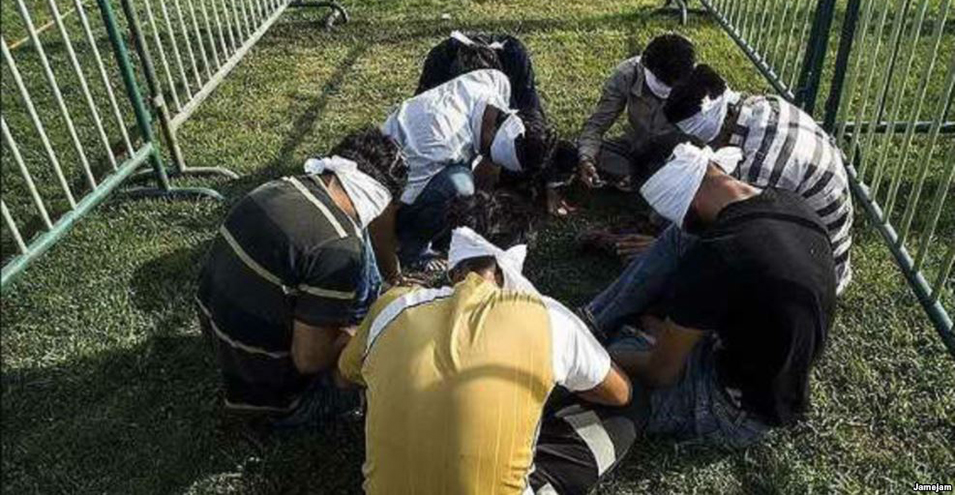
The 40th day of the Islamic Republic's organized crime against the Iranian people
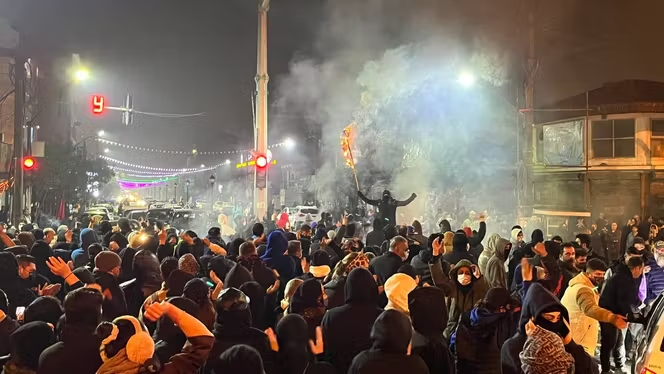
The fortieth victim of nationwide protests is another proof of the crimes of the Islamic Republic and the pent-up anger of the Iranian people.
The 40th death toll of the nationwide protests that began in January 1404 was held yesterday and today, February 17 and 18, in various cities of Iran; the ceremony was not only a mourning ceremony for the dead, but also a new scene of protest against government repression and violence. Families, friends and protesting citizens, by attending the graves of the victims, once again pointed the finger of accusation at the government, which they hold directly responsible for this massacre.
The protests that erupted in the winter of 2025 were initially a response to the economic crisis, rampant inflation, and political repression, but as the protests spread, the response by security forces became unprecedentedly violent. There were numerous reports of direct shooting at protesters, mass arrests, internet shutdowns, and street repression.
The 40th anniversary of the death of the martyrs holds a special place in Iranian culture; a day to honor the dead and express sympathy for the survivors. But in recent months, the tradition has also become a platform for civil protest. In Tehran, Mashhad, Isfahan, Karaj, Sanandaj, and several other cities, families and citizens gathered at the graves of the dead and chanted slogans against the ruling political establishment.
Some reports indicate that security forces in a number of cities attempted to prevent large gatherings of people. In some cases, the routes leading to the cemeteries were controlled and a number of citizens were arrested. These clashes made the atmosphere of the ceremony even more secure.
Officials have provided limited figures for the number of dead, but independent human rights groups paint a different picture. Some documentary groups estimate the death toll at 40,000, a figure that remains unverifiable due to media restrictions and widespread communications blackouts during the protests.
Human rights organizations have repeatedly warned in their previous reports on Iran about the use of "unlawful lethal force" against protesters. Human rights organizations have also reported widespread arrests of teenagers and young people during recent protests.
The Iranian government, officially known as the "Islamic Republic of Iran," has always described its response as "establishing order," but images posted on social media and eyewitness accounts tell a different story: one of bullets being fired into the chests of protesters and families suddenly mourning their children.
At the 40th ceremony, the bereaved mothers and fathers were the center of attention. Some of them emphasized in interviews with foreign media that their children were unarmed and defenseless. The mother of one of the victims in Tehran said: “My child had only gone to protest against high prices. They answered him with bullets.”
In Sanandaj, another family reported that security forces had restricted their ability to hold mourning ceremonies even after their son was killed. These accounts paint a broader picture of the double pressure on survivors, not only due to the loss of loved ones, but also threats and summonses.
Analysts believe that holding the 40th anniversary could lead to a continuation of the cycle of protests, a pattern that has also been present in Iran's contemporary history. Each memorial ceremony is seen as a new opportunity to raise demands and protest repression.
As the economic crisis, widespread unemployment, and sharp decline in purchasing power continue, many observers believe that the roots of social discontent remain. Military repression may be able to temporarily contain the protests, but it cannot eliminate the accumulated demands of society.
The 40th anniversary of the victims of the January 1404 protests has received widespread coverage in the global media. Reports have emphasized the continued security environment, the arrests of activists, and the increasing pressure on families. Some Western governments have also expressed concern about the human rights situation in Iran, although no decisive action has been taken so far.
The 40 deaths of those killed in the nationwide protests are not just a reminder of the past, they are a sign of a wound that is still open. The government is trying to solidify its official narrative, but families and segments of Iranian society have kept another narrative alive: one of organized crime and a demand for justice.
What was seen yesterday and today in the cemeteries and streets of various Iranian cities was not simply mourning; it was a message that the blood shed will not be forgotten.
Iran stands at a point today where the answer to the question of justice will determine not only the future of the protests, but also the future of the political legitimacy of the government.