Catholic Church: Why should we believe "we will not tolerate any anti-Semitism"?
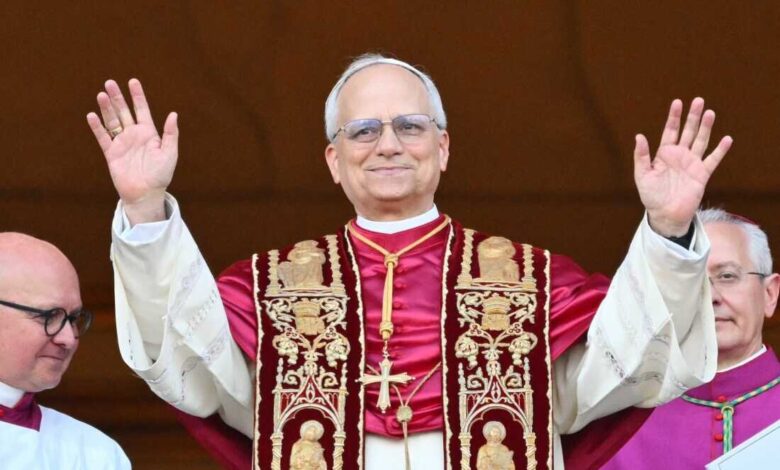
Pope Leo XIV stated in a speech: "We will not tolerate any form of anti-Semitism, and this must become a matter of belief."
Pope Leo XIV, the new leader of Catholics, has declared in a determined speech that the Catholic Church will not tolerate any form of anti-Semitism and will fight against it. These words were spoken at a time when tensions in Christian-Jewish relations and the role of the church among religions have always been a sensitive point in the history of Christianity.
In a general audience in St. Peter's Square, the Pope pointed to the Church's predecessors, who have also repeatedly condemned anti-Semitism. "The Church combats anti-Semitism on the basis of the teachings of the Gospel itself," he said.
Pope Leo also referred to the 60th anniversary of the important and influential declaration “Nostra Aetate,” calling it “a new door towards encounter, respect and spiritual acceptance.” He added: “This document teaches us to welcome followers of other religions not as strangers, but as fellow travelers on the path of truth.”
The Pope continued his speech by stating that Nostra Aetate, for the first time in the history of the Church, has brought discussions about the roots of Judeo-Christianity to the level of Scripture and theology, which will be a point of no return on the level of Scripture and theology.
He also emphasized the common heritage of Christians and Jews, saying: "The Catholic Church, with the spiritual love of the Gospel, condemns any hatred, persecution, and manifestations of anti-Semitism committed against Jews at any time and by anyone."
In conclusion, the Pope called on Catholics to be active in dialogue and cooperation with other religions and to recognize and promote all that is good, right, and holy in their traditions, because, he said, "our world needs unity, friendship, and cooperation more than ever."
In addition to seeming decisive, Pope Leo XIV's words are also a serious message to the Church and Christians around the world that it is not enough to simply say that we should avoid anti-Semitism, but rather to demonstrate real dialogue and cooperation with Jews in practice.
The choice of words like “fellow travelers on the path of truth” and “a point of no return,” emphasizing the Judeo-Christian roots, is a sign of an intention to deepen ties. But at the same time, it provides a good opportunity for critics to ask: is the church committed only at the level of a statement, or will it take practical positions and decisions that prevent the return of prejudices and prejudices?
For Christian audiences, these words could be an opportunity to call for a transformation in the church's attitude toward its relationship with Jews, challenging old beliefs, and committing to practical adherence to the Gospel's teachings on love, justice, and interfaith coexistence.