UN Third Committee condemns widespread human rights violations in Iran
On Wednesday, November 16, the Third Committee of the United Nations General Assembly passed a resolution condemning the gross and systematic violations of human rights in Iran.
This resolution was adopted by the Third Committee of the United Nations General Assembly with 79 votes in favor, 30 against, and 71 abstentions.
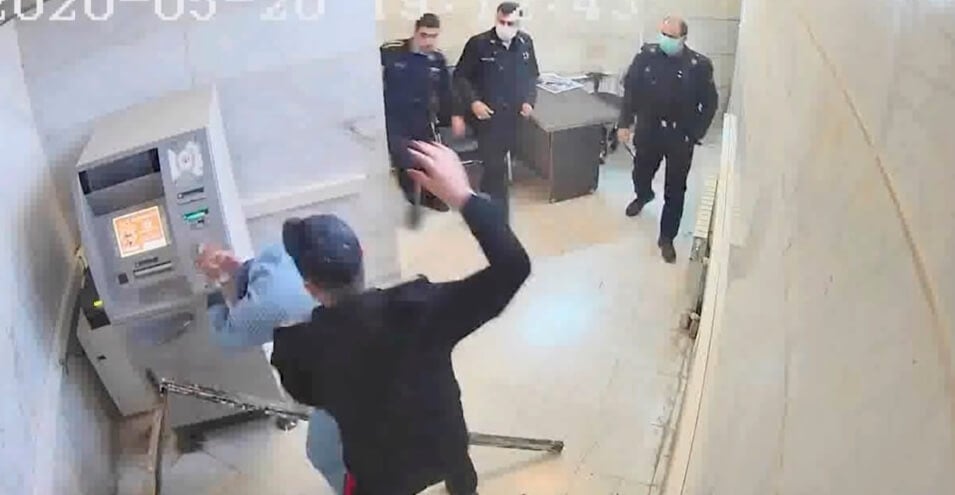
In this resolution, the Third Committee of the United Nations General Assembly has noted the alarming number of death sentences, widespread and systematic arrests and arbitrary detentions, deliberate denial of prisoners' access to medical treatment and services, mistreatment of prisoners in Evin Prison, harassment and intimidation of opponents and human rights defenders, use of torture to extract confessions, and suspicious deaths of prisoners.
This UN resolution emphasizes the need for credible, independent, and impartial investigations into all serious human rights violations in Iran, including enforced disappearances, extrajudicial executions, and the destruction of evidence of such crimes, and calls for an end to impunity for such crimes in the Islamic Republic.
The resolution of the Third Committee of the UN General Assembly also expressed serious concern about the continued application of the death penalty in the Islamic Republic of Iran for minors and called on the Islamic Republic of Iran to stop the application of the death penalty against minors, including those who were under the age of 18 at the time of the crime.
The resolution states that the execution of individuals who were under the age of 18 at the time of the crime is a violation of the International Convention on the Rights of the Child.
The Third Committee resolution also called on the Islamic Republic of Iran to cease the widespread and systematic use of arbitrary arrests and detentions and to release all persons detained for exercising their fundamental freedoms, including those detained solely for participating in peaceful demonstrations.
This resolution refers to those arrested during the peaceful protests of January 2019 and November 2020.
The Third Committee resolution further called on the Islamic Republic government to abolish harsh and unjust sentences, including death sentences and long-term internal exile, and to end reprisals against human rights defenders, political activists and their families, and media activists covering the protests.
Meanwhile, Zahra Ershadi, Iran's ambassador and deputy representative to the United Nations, described the resolution as "a selective and political distortion of existing realities" at a meeting of the Third Committee of the UN General Assembly, saying that such a move is in line with "a hostile and deliberate policy of inciting others to Iranophobia."
The deputy Iranian representative to the United Nations went on to call the vote on this resolution "a dishonest and indefensible political move."
At this meeting, several countries close to the Islamic Republic criticized the issuance of such human rights resolutions about a country.
The Cuban representative noted that the "politicization of human rights" destabilizes governments.
The North Korean representative also said that the use of such resolutions that target specific countries are “clear examples of politicization and double standards.” The Syrian representative also called for respect for the territorial integrity of countries.
Source: Radio Farda