Crimean-Congo fever cases increase in Iran; one person dies
رئیس گروه مدیریت بیماریهای قابل انتقال بین انسان و حیوان وزارت بهداشت ایران از ابتلای ۱۳ نفر به تب کریمه کنگو خبر داد. دو روز پیش، ابتلای ۹ نفر به این بیماری تأیید شده بود. تاکنون یک نفر از مبتلایان به این بیماری جان خود را از دست داده است.
بهزاد امیری گفت از سال ۱۳۷۸ که نخستین مورد ابتلا به این بیماری در ایران شناسایی شد، هزار و ۶۰۸ مورد ابتلا و ۲۰۹ مورد مرگ ناشی از ابتلا ثبت شده است.
به گفته این مقام وزارت بهداشت ایران، در سال ۱۴۰۰، ۱۳ بیمار شناسایی شدند که از این تعداد ۲ نفر جان باختند.
رئیس سازمان دامپزشکی ایران از مردم خواسته است تا از مصرف گوشت و جگر خام یا نیمهخام (آبدار) خودداری کنند.
کشتار و حمل و نقل غیر مجاز فرآوردههای گوشتی و خرید و فروش فرآوردههای خام دامی از راههای غیرمجاز و ذبح غیربهداشتی توسط افراد آموزشندیده از جمله دلایل افزایش شیوع این بیماری در کشور است.
بیماری تب کریمه کنگو در عراق نیز شیوع پیدا کرده است به طوری که از ماه ژانویه سال ۲۰۲۲، ۱۱۱ مورد ابتلا شناسایی شده است و ۱۹ مبتلا جان باختهاند.
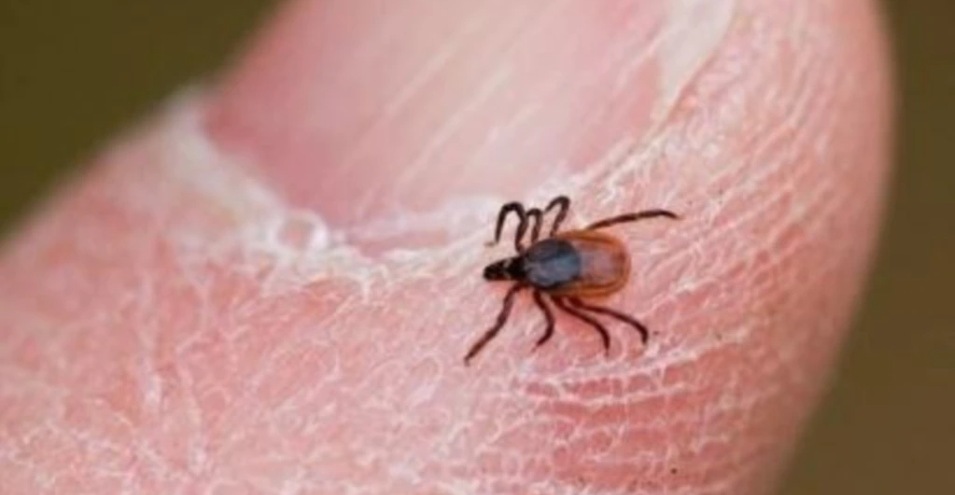
تب کریمه کنگو یک بیماری ویروسی منتقل شده از کنه با منشاء مشترک بین انسان و دام است.
افرادی که با دام کار میکنند و با بافتهای سر و کار دارند مانند قصابها و کارگران کشتارگاهها، بیشتر از دیگران در معرض خطر عفونت قرار دارند.
انتقال این بیماری از انسان به انسان میتواند در اثر تماس نزدیک با خون، ترشحات، یا سایر مایعات بدن افراد آلوده رخ دهد.
دوره نهفتگی ویروس بستگی به چگونگی انتقال آن دارد. پس از ابتلا توسط نیش کنه، نهفتگی معمولا یک تا سه روز و حداکثر نه روز است. دوره نهفتگی پس از تماس با خون یا بافتهای آلوده معمولاً ۵ تا ۶ روز و حداکثر ۱۳ روز است.
این بیماری با علائمی چون تب، درد عضلانی، سرگیجه، سفتی گردن، چشم درد، حساسیت به نور و در اوایل ابتلا، تهوع، اسهال و شکم درد همراه است.
با پیشرفت بیماری، نقاط وسیعی از بدن دچار کبودی میشود و بیمار با خونریزی شدید بینی مواجه میشود که تقریباً از روز چهارم بیماری شروع شده و حدود دو هفته طول میکشد.
میزان مرگ و میر در بیماران بستری در بیمارستان از ۹٪ تا ۵۰٪ متغیر است.
بیمار در اوایل ابتلا، آنتیبادی زیادی تولید نمیکند. تب کریمه کنگو با سنجش وابسته به آنزیم موسوم به الایزا (ELISA)، تشخیص آنتیژن، خنثیسازی سرم و پیسیآر معکوس تشخیص داده میشود.
داروی ضد ویروسی «رییاویرین» به صورت خوراکی و تزریقی برای درمان این بیماری تجویز میشود.
هیچ واکسنی برای پیشگیری از ابتلا به این بیماری چه در انسان و چه در حیوان طراحی نشده است.
Source: Voice of America