Anniversary of Bahram Dehqani-Tafti, Symbol of Bloody Suppression of Christians at the Beginning of Islamic Republic’s Rule
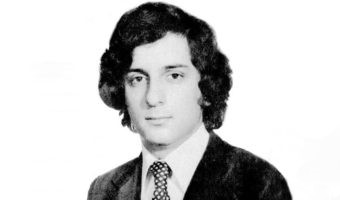
From Ordibehesht 1359 to today, the narrative of pressure, confiscation, threats, and killing of Christian minorities in Iran continues; the case of Bahram Dehqani-Tafti is only one of the first systematic signs that targeted Christians’ faith from the very beginning, and today marks the forty-fifth anniversary of the state-orchestrated killing of Bahram Dehqani-Tafti, a symbol of the bloody suppression of Christians following the establishment of Islamic Republic rule.
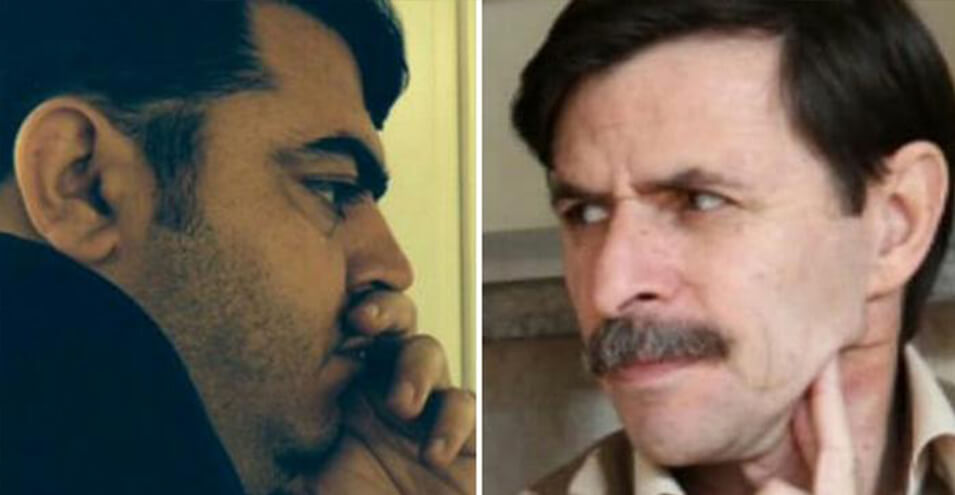
Bahram Dehqani-Tafti, a 24-year-old young man, educated at Oxford University and the son of a prominent Christian leader, was shot and killed on 16 Ordibehesht 1359, only a few months after the establishment of the Islamic Republic, near Evin Prison; a killing that many view not as an accident, but as part of an organized wave of suppression of Christians at the beginning of a rule that was hostile to religious minorities from the start.
Bahram was the son of “Hassan Dehqani-Tafti,” the first Iranian bishop of the Episcopal Church; a family that, due to their active role in Iran’s Christian community, quickly came under the crosshairs of government pressure. In the early years following Iran’s 1357 revolution, the government’s official and unofficial policies clearly formed against religious minorities; from confiscation of property to severe religious and security restrictions.
Bishop Dehqani-Tafti resisted these pressures. He refused to hand over church assets, including retirement savings of approximately 200 employees of hospitals and schools affiliated with the bishopric. This resistance provoked the anger of government institutions and intensified pressures against the church and his family. In such an atmosphere, Bahram’s killing was not a random event, but a direct consequence of this confrontation.
Bahram’s killing on 16 Ordibehesht 1359 near Evin was only one of the first links in a chain of violence against Christians in Iran. In subsequent decades, numerous reports of arrests, torture, disappearances, and even killings of Christians were published. Human rights organizations have repeatedly warned that changing religion in Iran can lead to serious charges and severe punishments.
Critics say that the Islamic Republic, from the very moment of its establishment, not only failed to live up to its promises about religious freedoms, but also, with a security and ideological perspective, targeted religious minorities, particularly Christians. Churches were closed, religious activities were restricted, and many Christian leaders were either forced to leave the country or faced serious threats.
The case of Bahram Dehqani, more than four decades later, remains as one of the early symbols of these suppressions; a symbol of a path that began in Ordibehesht 1359 and, according to many observers, has not yet ended. This case reminds us of the bitter reality that for many Iranian Christians, faith has been not only a spiritual choice, but also a heavy and sometimes fatal cost.