Europe Between Extremism and Betrayal of Christian Refugees
While the Muslim population in Europe is growing rapidly and security reports indicate rising threats from Islamist extremism, European governments have simultaneously restricted asylum pathways for Christians, Alawites, and other persecuted minorities from the Middle East; a policy that critics view as Europe’s clear failure to defend values of freedom and human rights.
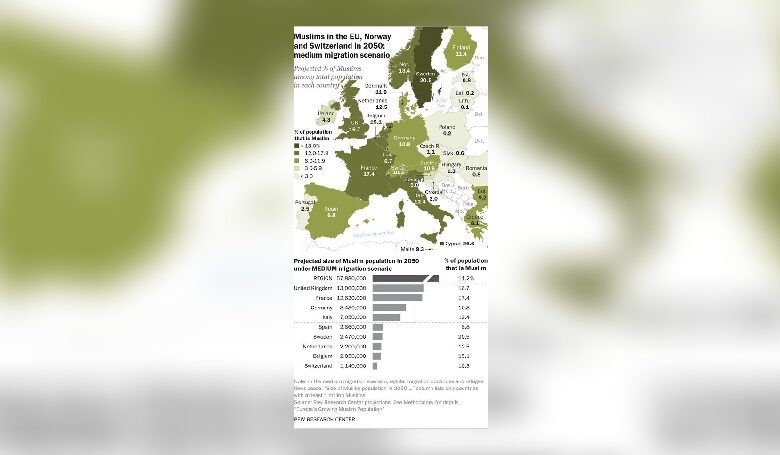
International reports show that the Muslim population in Europe has experienced significant growth over the past three decades, and this trend continues. Based on data published by the Pew Research Center, the Muslim population in Europe has grown from approximately 30 million in 1990 to dozens of millions in the current decade, comprising a substantial share of the population in some countries.
These demographic changes are occurring while many European countries face a crisis of migrant integration and rising security concerns. Europol, the European Union’s law enforcement agency, has repeatedly warned in recent years about the threat posed by Islamist extremist groups and reported that dozens of terrorist attacks or attack plots have been identified and thwarted in EU member states.
The increase in extremist attacks, street violence, and the spread of criminal networks in some immigrant-populated areas have intensified criticism of Europe’s immigration policies. The case of group sexual assaults on New Year’s Eve in Cologne, Germany, deadly knife attacks in France and Germany, and the sexual abuse gang crisis in Britain have repeatedly been cited as examples of the failure of social integration policies.
Meanwhile, critics argue that instead of supporting actual victims of religious persecution, Europe has effectively opened the path for groups, some of whom reject the democratic and secular values of European societies. This criticism has intensified particularly following changes to the European Union’s refugee policies regarding Syria.
The European Union Agency for Asylum (EUAA) has recently changed the framework for reviewing Syrian cases, moving toward an approach that considers return to Syria “possible” in some instances. This change has caused serious concern among human rights groups and Christian organizations; as simultaneously, multiple reports have been published of attacks against Christians, Alawites, and Druze in Syria.
Some human rights organizations have warned that Syria’s religious minorities continue to face violence and discrimination, and returning them could endanger their lives. However, migration activists say that European governments in practice apply stricter standards for accepting Christian refugees and other persecuted minorities; groups that, unlike extremist movements, have a positive track record of coexistence and social integration in Europe.
Critics also believe that current European policies have revealed an obvious contradiction: on one hand, governments warn about the threat of Islamic extremism, and on the other, they restrict the acceptance of people who have fled Islamist governments and religious violence. In their view, this approach not only fails to strengthen Europe’s security but will also lead to weakening the cultural identity and historical values of this continent.
Experts in migration and religious freedom say that if Europe truly defends human rights, it must distinguish between victims of religious persecution and extremist ideological movements. They emphasize that Christians, Yazidis, Baha’is, and other oppressed minorities in the Middle East need genuine support from the international community more than any other group; rather than becoming victims of policies that in practice prioritize ideological migration over humanitarian asylum.