"Hengao" expresses concern over the hostage-taking of political prisoners' health in the shadow of the Islamic Republic
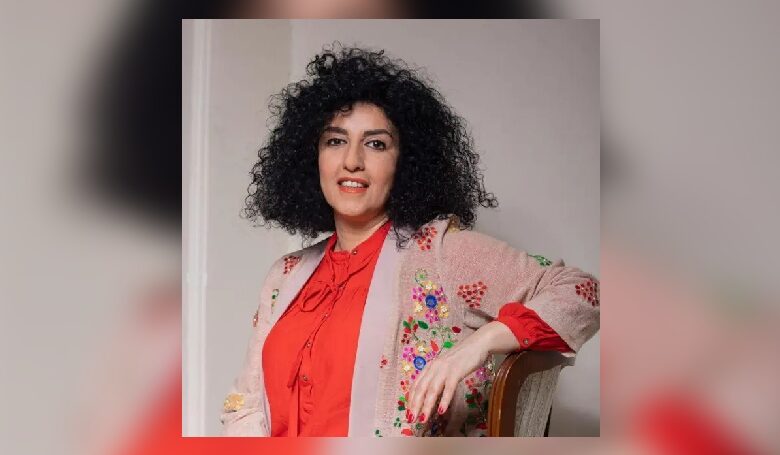
The human rights organization Hengaw has expressed concern about the medical crisis in Iranian prisons and the health of Narges Mohammadi and other political prisoners, and warned about the tools used to pressure prisoners.
Reports from human rights organizations, including the Human Rights Organization Hengaw, once again reveal the worrying health condition of Narges Mohammadi, a well-known human rights activist and Nobel Peace Prize winner; a situation that is not an administrative error, but a clear sign of a systematic policy of depriving political prisoners of their most basic human rights, especially the right to medical treatment.
According to these reports, Narges Mohammadi's physical condition has entered a critical stage after developing heart problems and aggravating underlying diseases. However, prison officials have prevented her from being immediately transferred to well-equipped medical centers and from accessing a trusted doctor, an action that is considered a clear example of deliberate deprivation of treatment and disregard for the life of a sick prisoner.
Narges Mohammadi, who was arrested on December 11, 1404, while attending the funeral of Khosrow Alikordi in Mashhad, was later sentenced to 7 years and 6 months in prison and two years of exile, and is currently being held in Zanjan Central Prison. Her transfer to a medically unsafe environment, coupled with severe treatment restrictions, has raised concerns about the risk to her life.
In addition to this individual situation, reports also indicate a broader trend; a trend in which the conditions of political prisoners have noticeably worsened following recent security and political developments and increased regional tensions. The heavy security environment, increasing psychological and physical pressures, and severe restrictions on communication with outside the prison have effectively placed prisoners in a situation where the possibility of defending themselves or even informing about their situation has been minimized.
One of the factors exacerbating this situation is the limited food cuts and the widespread restriction or shutdown of the internet, which not only blocks the path of independent information, but also directly paves the way for the continuation of human rights violations in silence and ignorance. In such conditions, sick and vulnerable prisoners are more at risk than ever before.
In addition to these concerns, reports have been published by organizations such as the Narges Foundation that point to the detention of political prisoners alongside prisoners convicted of violent crimes and the failure to observe the principle of separation of crimes; an issue that has been interpreted as a means of exerting double pressure and creating psychological insecurity among political prisoners.
The summary of these reports highlights one point: the Iranian government bears direct responsibility for the lives and health of political prisoners, but the available evidence shows that the right to treatment and access to medical services is used not as a human right, but as a lever for political pressure.
In such circumstances, human rights organizations have once again called on the international community, UN special rapporteurs, and international organizations to respond immediately and effectively to the situation of political prisoners in Iran, especially cases like Narges Mohammadi, and to prevent the continuation of a process in which the health and lives of prisoners are effectively held hostage.