Mژgan Khaleqi, Director of Seized Film ‘Cabaret’ Starring Fatemeh Motamedaria, Arrested
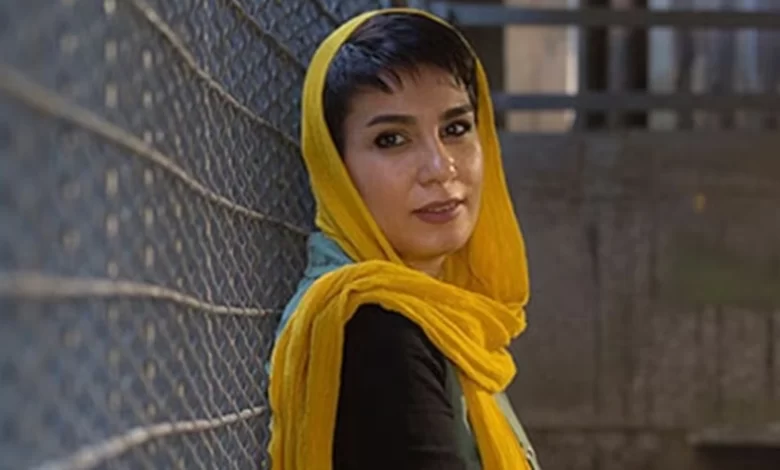
The Shargh newspaper website reported the arrest of Mژgan Khaleqi, cinema and theater director and producer of the film “Cabaret,” which was seized in mid-August of this year following an encounter with security forces during filming.
Shargh reported on Saturday, November 11, that Ms. Khaleqi, who had gone to the Isfahan prosecutor’s office to retrieve her confiscated equipment, has been arrested.
According to the report, some media outlets attributed her arrest to the opening of a case against her with charges of “acting against national security.”
On August 19, the deputy director of evaluation and supervision at the Islamic Republic’s Cinema Organization of the Ministry of Guidance stated that “relevant authorities” had taken action against the production of an underground film called “Cabaret.”
This official cited the lack of production authorization from the Ministry of Guidance as the reason for the action and implicitly stated that the film’s actors did not wear mandatory hijab.
Some media outlets close to the Islamic Republic cited the presence of Kaveh Farnam, a Europe-based producer and collaborator of Mohammad Rasoulof in the film “There Is No Evil,” as one of the reasons for seizing the film.
Mr. Farnam and the director of “Cabaret” denied this report, and on August 22, Mژgan Khaleqi told Shargh newspaper that the Ministry of Guidance was aware of the film’s production and the filmmakers had begun filming with the “coordination” of the Cinema Organization.
She confirmed the presence of Fatemeh Motamedaria as an actress in the film, which had been previously announced unofficially, and stated that Ali Mosaffa was another actor in “Cabaret” and renowned composer Hossein Alizadeh was to compose the music for the film.
Regarding the seizure of the film and filming equipment, Mژgan Khaleqi said that “30 to 40 people” went to the filming location “in an unconventional manner.”
She added: “At the same time, these individuals also went to other locations including the editor’s office, Ms. Motamedaria’s house, and my house, and took all the equipment with them.”
According to the director, “In the history of Iranian cinema, there has been no precedent for taking cameras, and usually they take hard drives, but this time they took the camera as well. The filming equipment was worth close to 15 billion tomans, but now the equipment is in their hands and every day I have to answer to those from whom I rented the equipment and also pay the rental. More importantly, the safety of this expensive equipment is at risk.”
The Oversight Office of Cinematographic Productions at the Cinema Organization of the Ministry of Guidance, one week after Ms. Khaleqi’s statements, denied the organization’s approval of the film production and explicitly stated, citing Bahman Habashi, the office’s director-general, that “acting without hijab by the female actors” was one of the “violations” of the filmmakers.
Following widespread protests that began in September 2022 with the death of Mahsa Amini in the custody of the morality police, women’s civil protest and struggle against mandatory hijab also found supporters among artists, including Fatemeh Motamedaria, who opposed the suppression of protesters from the very beginning.
Ms. Motamedaria herself is among the female actresses of Iranian cinema who abandoned mandatory hijab following last year’s nationwide protests. The Ministry of Guidance announced last week that these female actors are no longer permitted to work due to non-compliance with mandatory hijab regulations.
Source: Radio Javan