US-Iran Conflict Enters Fateful Stage as Strait of Hormuz Becomes Central Battleground
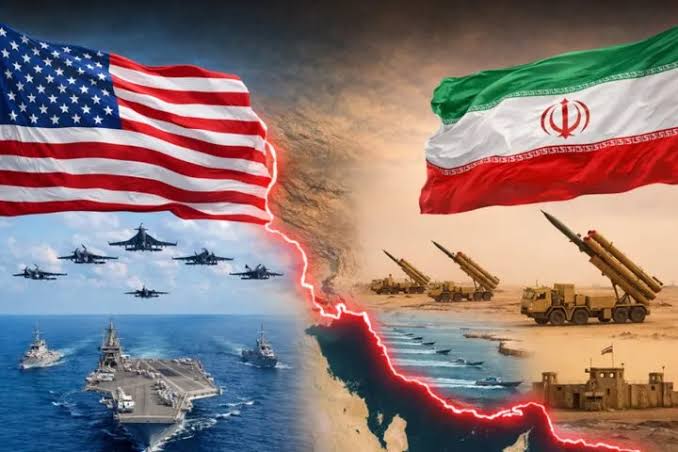
As tit-for-tat attacks between the US and the Islamic Republic escalate and tensions rise in the Strait of Hormuz, analysts warn that the confrontation has broken out of its initial framework, and the risk of drawing regional countries into a broader conflict has increased more than ever before.
Less than two weeks into direct military conflict between the United States and the Islamic Republic of Iran, signs indicate that this confrontation has entered a new and complex phase—one that, according to many analysts, bears little resemblance to a limited confrontation and could pose far more serious challenges to regional security and the global economy.
In recent days, the US has expanded the scope of its military operations, targeting not only military centers but also some of Iran’s transportation and logistical infrastructure. Simultaneously, the Islamic Republic has expanded its attacks to targets in several regional countries and threatened that if military pressure continues, it will further escalate the scope of its operations.
Although in the initial weeks both sides attempted to control the level of engagement, many observers now believe this fragile balance is unraveling. Reports published by international media outlets including CNN show that hopes for a swift return to negotiations have diminished, and the preliminary agreement reached between the two sides in late June has essentially lost its credibility.
One of the most significant recent developments has been the killing of several American military personnel in attacks attributed to the Islamic Republic in the region—an event that Washington officials have described as a turning point in this conflict and have promised to respond to with greater speed and intensity. In turn, Tehran has emphasized the continuation of its operations and shown no signs of backing down.
According to experts, the Strait of Hormuz has now become the most important axis of this confrontation. The Islamic Republic views control of this strategic waterway as one of its most important tools for pressure on the US and its allies, and has threatened that if attacks continue, it will impose further restrictions on shipping passage—a move that could subject the global energy market to a fresh shock.
Some analysts also warn that if the conflict expands, there is a risk of the crisis spreading to the Red Sea and Bab el-Mandeb; a development that could further impact the main routes for global oil and trade transfers and directly draw the Arab states bordering the Persian Gulf into the crisis.
Meanwhile, the Institute for the Study of War (ISW) stated in its latest assessment that the Islamic Republic has used more advanced missiles and new tactics in recent attacks that have made it easier to penetrate defensive systems and increased damage. The institute believes that Tehran, despite severe economic pressure, continues to pursue an attrition strategy and hopes that as the war drags on, its political and economic costs for Washington will rise.
On the other hand, the Trump administration faces domestic pressures. Rising oil prices, concerns about shipping security in the Persian Gulf, and the approaching US midterm elections are among factors that could influence White House decisions regarding the continuation of this conflict.
In such circumstances, many analysts believe that neither the outbreak of a full-scale regional war nor an immediate return to diplomacy represents the most likely near-term scenario. In their view, the region will likely enter a period of intermittent confrontations, limited but costly attacks, and scattered mediation efforts—a situation whose future depends above all on political decisions by Washington and Tehran and the reactions of regional actors.