New warning from "Mawlawi Abdul Hamid" about the wave of political sentences and forced confessions in Iran
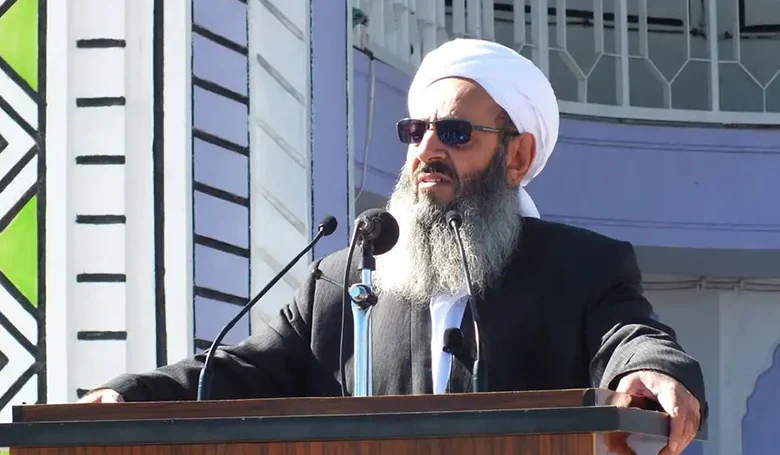
"Mawlawi Abdul Hamid Esmailzai," the Sunni Friday prayer leader in Zahedan, continued his criticism of the increasing trend of executions in Iran, calling for a halt to "political executions" and an end to the use of "forced confessions" in security cases. In his Friday prayer sermons, he emphasized that executions not only do not solve the country's problems, but, according to him, "are not in the best interest of the country and the people" and can deepen social divisions. These statements come at a time when, along with the escalation of security and military tensions, reports indicate an increase in the issuance and execution of death sentences against political and security prisoners; a trend that has been met with widespread reaction from human rights organizations and civil activists.
In his speech, Abdul Hamid also warned against the judiciary's reliance on confessions that he said were obtained "under pressure and coercion," and declared: "Such confessions contradict Islamic law, the constitution, and international law and should not be the basis for issuing a sentence." He had previously repeatedly criticized the spread of executions and what he called "forced confessions," saying: "Be assured that executions cannot stop the nation."
The comments by the Sunni Friday prayer leader in Zahedan come as media and human rights organizations report a surge in executions in Iran in recent months. Some reports indicate dozens of prisoners have been executed on political and security charges amid the escalating military conflict. At the same time, concerns about the use of televised confessions and pressure on defendants to plead guilty have once again increased.
In recent years, Mowlavi Abdolhamid has become one of the few religious figures in Iran to speak out against the execution of protesters and political prisoners. He has previously warned that continuing this trend will spread discontent and hatred, and described a halt to the executions as the general will of the nation.