Launch of Kurdish Language and Literature Faculty in Kurdish-Speaking Provinces
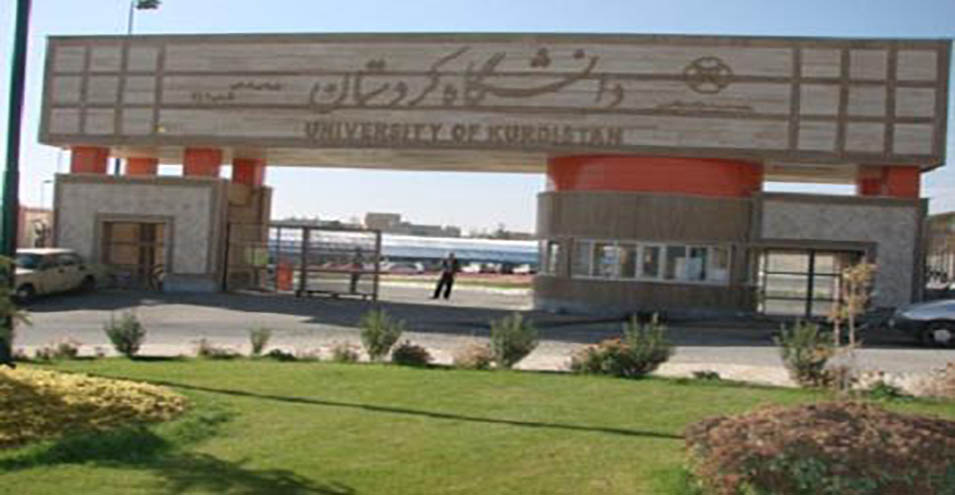
Following the establishment of the Kurdish Language and Literature program at Kurdistan University, the advisor to the Kermanshah governor announced the founding of a Kurdish Language and Literature Faculty. Turkish language classes for Azerbaijan Turkish have also begun at the Shahryar Foundation in Tabriz.
For the first time this year, students at Kurdistan University have begun their studies in the Kurdish Language and Literature program. In an exclusive report, Shargh newspaper (October 20/October 28) described this “important event” as the implementation of Article 15 of the Iranian Constitution, which concerns education in ethnic languages at Kurdistan University.
Read more: Education Ministry approves teaching Kurdish language in secondary schools
According to Dr. Bakhtiar Sajjadi, head of the “Council for Launching the Kurdish Language and Literature Program” at Kurdistan University, the students enrolled in this program are primarily Kurdish speakers, numbering 42 individuals. Local officials emphasize that the launch of the Kurdish Language and Literature program aligns with the Rouhani government’s promises to the people.
Presentation of Plan to Establish Kurdish Language Faculty in Kermanshah
Following the launch of the Kurdish Language and Literature program in Sanandaj, officials in Kermanshah province are now announcing the possibility of establishing a Kurdish Language and Literature Faculty. Ramadan Dehnoui, the advisor to the Kermanshah governor for ethnic and religious affairs, announced the presentation of a plan to establish a Kurdish Language Faculty for Iran’s Kurdish-speaking provinces, centered in Kermanshah.
Dehnoui told IRNA news agency that the plan has been presented to Tehran and will be discussed in the Supreme Council of the Cultural Revolution. If the establishment of the Kurdish Language Faculty is finalized, student recruitment can be conducted through the nationwide university entrance exam next year.
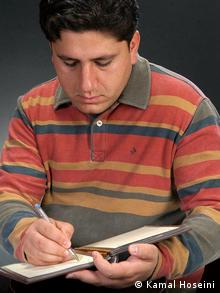 Kamal Hosseini, journalist
Kamal Hosseini, a journalist based in Kurdistan who reports for the Mokrian news agency, spoke with Deutsche Welle about Kurds’ reception of the government’s “minimal facilities”: “The issue of establishing a program at a university or adding a Kurdish section to one of the news agencies affiliated with state institutions may be the least this government could do in this area, but Article 15 of the Constitution still remains pending. Our children in Kurdistan must still study in a language other than their mother tongue upon entering school, and Kurdish is not taught alongside foreign languages such as English at any educational level.”
This Kurdish journalist reminds us: “In the cultural sphere, Kurdistan doesn’t even have a nationwide newspaper in Kurdish, and if there are weekly or monthly publications, there is no opportunity for free and neutral activity. There is no Academy of Kurdish Language and Literature, and cultural products specific to Kurds are very limited.”
Read more: Academic year begins; no news of teaching mother tongue of ethnic groups
Kamal Hosseini continues that Kurds have no role in the political sphere and have not received a fair share in the economic arena due to the unjust distribution of wealth in the country. In his view, “the security approach from the beginning of the Revolution to today in Kurdistan” has prevented the development of this region, because in addition to the government’s excuses for infrastructure investments in Kurdistan, this type of approach has also limited private sector investors’ hands.
Reception of Shahryar Foundation Turkish Language Teaching
Coinciding with cultural developments in the field of Kurdish Language and Literature in other ethnic regions, including East Azerbaijan, reports have emerged of Azerbaijan Turkish language teaching. Some news websites in the province reported that “Turkish language classes initiated by the Shahryar Research Foundation in Tabriz have been received with unprecedented enthusiasm from the public, to the extent that the number of class participants exceeded the capacity of the educational venue.
Cultural activists in Azerbaijan told Deutsche Welle that Azerbaijan Turkish language instruction in Tabriz is conducted voluntarily and the government has not borne any costs in establishing these classes.
According to Tabriz Bidar, Tabriz’s news and information portal, the Shahryar Foundation’s classes, which function as a provincial branch of the “Academy of Persian Language and Literature,” have been welcomed by the public because of the Foundation’s apolitical nature. On the other hand, some other local Azerbaijan websites reported “commodification” and “disruption” in conducting these classes.
One participant in these classes said the organizers stated that participation in these classes is conditional on paying a tuition fee of 60,000 tomans and presenting a national ID card. This is despite the fact that the Shahryar Foundation is a non-profit organization and does not even charge participants for other classes it currently holds.
Read more: Ethnic languages in Iran’s Constitution and neighboring countries
The launch of the Kurdish Language and Literature program at Kurdistan University and the holding of Azerbaijan Turkish language classes at the Shahryar Research Foundation in Tabriz indicate that there is no further delay in implementing Article 15 of the Constitution after 36 years of delay. According to experts on ethnic affairs, the Rouhani government needs a new approach in the cultural sphere of ethnic minorities to implement this important and “pending” principle.