Ambiguities over motives behind deadly Sri Lanka attacks
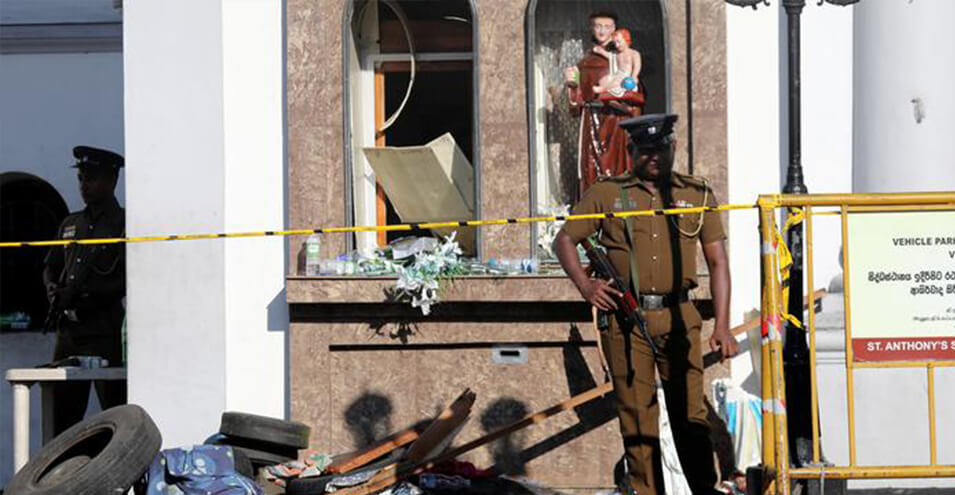
The death toll from the Sri Lanka attacks has passed 290. 450 people have been injured in the blasts. Dozens of foreign tourists are among the victims. No group has claimed responsibility for the attacks.
On Easter Sunday, several explosions rocked Sri Lanka's capital Colombo and the city of Negombo, killing and injuring hundreds. According to the latest reports, around 290 people were killed and 450 injured in eight blasts at churches and tourist hotels in Sri Lanka. Some of the injured are reported to be in critical condition.
On Monday, April 22, the German news agency reported in a report from Colombo, the capital of Sri Lanka, that 24 people had been arrested in connection with the attacks on Easter Sunday (April 21).
All those arrested are said to be Sri Lankan citizens, while Sri Lankan authorities have also asked other countries to cooperate with Sri Lankan security authorities regarding the possible links of the perpetrators of the attacks to terrorist groups.
The same report indicates that no group has yet claimed responsibility for the attacks. Previously, an Islamic extremist group was mentioned as the perpetrator of these attacks. In addition, there are still many uncertainties about the possible motive of the perpetrators of these attacks.
International reactions
Dozens of foreign nationals were among the victims of Sunday's attacks on churches and hotels in Sri Lanka. Thirty-five of those killed were foreigners, while 19 of those injured were citizens of other countries.
German Foreign Minister Heiko Maas has contacted Sri Lankan authorities to inquire whether German citizens were among the victims of the attacks.
The deadly attacks in Sri Lanka have angered and shocked many people and politicians around the world. United Nations Secretary-General Antonio Guterres has said he was shocked by the deadly attacks on churches and hotels in Sri Lanka, especially on Easter Sunday.
A number of world leaders have also expressed their regret and sorrow over the attacks, including Donald Trump, Vladimir Putin, and Recep Tayyip Erdogan.
From Germany, Chancellor Angela Merkel and President Frank-Walter Steinmeier expressed their sympathy with the people and government of Sri Lanka and strongly condemned the attacks.
About 8 percent of Sri Lanka's 20 million people are Christian. Most Sri Lankans are Buddhists. Peace has reigned in Sri Lanka since 2009, when the country's 26-year civil war effectively ended. The bloody attacks on Easter Sunday have called that peace into question.
Source: DW