Revival of the JCPOA or negotiations for the sake of negotiations?
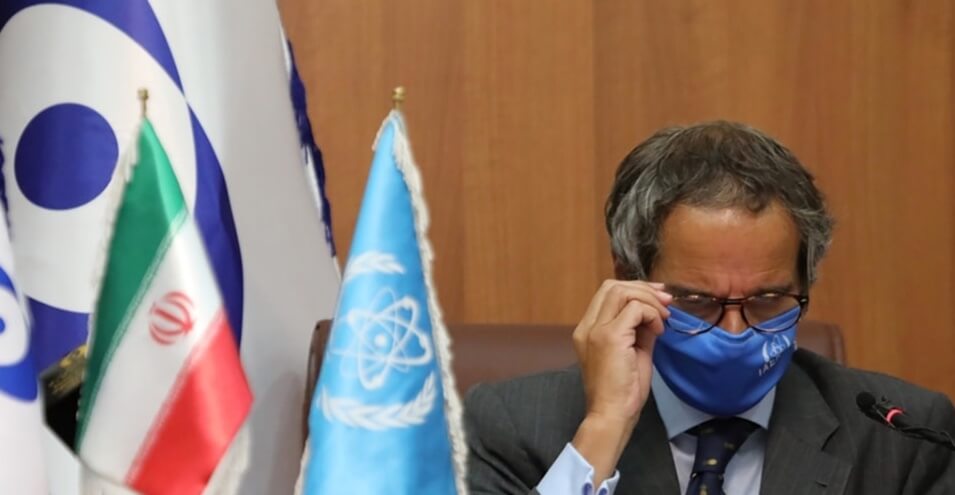
Three months after the negotiations were halted, the JCPOA revival was coming to an end in Vienna, and while the negotiations had turned into a controversy, and Europe and the United States condemned the Islamic Republic in the Board of Governors of the International Atomic Energy Agency, and Iran in return turned off the surveillance cameras at its nuclear facilities, Josep Borrell came to Tehran on behalf of the European Union to mediate.
With the mediation of the European Union, Qatar was supposed to mediate and accept “negotiations to revive the JCPOA,” but the heat in Doha did not break the ice in the negotiations and the parties returned home. Europe and the United States announced that the negotiations were fruitless, but the Islamic Republic said: “We dropped the ball in America’s court.”
"The chances of reviving the 2015 nuclear deal with Iran have diminished after indirect U.S.-Iran talks in Doha ended without progress," a senior U.S. official told Reuters on Thursday.
The official, who asked not to be named, added: "The outlook for a post-Doha agreement is worse than before Doha and will get worse day by day."
Three European countries, Britain, Germany, and France, also expressed regret at the failure of indirect negotiations between Iran and the United States in Doha on Thursday at a UN Security Council meeting, saying: "Iran should abandon its demands beyond the JCPOA and sign the agreement as soon as possible."
US Representative Richard M. Mills also said that Washington remains committed to a reciprocal return to full implementation of the JCPOA, "but we can only finalize and implement an agreement when Iran drops its additional demands that fall outside the scope of the JCPOA."
On the other hand, Majid Takht Ravanchi, Iran's permanent representative to the United Nations, said at a Security Council meeting that the Islamic Republic's negotiating team is once again ready to hold "constructive" talks to finalize an agreement. He added: "The ball is in the US court, and if Washington shows seriousness in implementing its commitments, an agreement is not far off."
Iranian cyberspace users, especially on Twitter, reacted to these JCPOA moves.
Abdullah Ramezanzadeh, a reformist activist and an official in the Ministry of Interior during the presidency of Mohammad Khatami, wrote on his Twitter account: "The lives of our eighty-odd million subjects depend on negotiations with someone on our behalf who does not represent the thoughts of the majority of us."
A religious user named Rashid Davoudi also posted a photo of Ebrahim Raisi and Vladimir Putin kissing at yesterday's summit of the Caspian Sea countries and a picture of the two negotiating in Moscow at both ends of a long table, writing: "When Russia's war with Ukraine began and the possibility of reviving the JCPOA increased, pictures and videos from the Kremlin were published, as if they insisted on making it clear that violence and humiliation had occurred, now that the Russians are comfortable with the lack of agreement, they are sticking their faces together."
Source: Voice of America