Iran, IAEA technical meeting begins to discuss uranium particles at undeclared sites
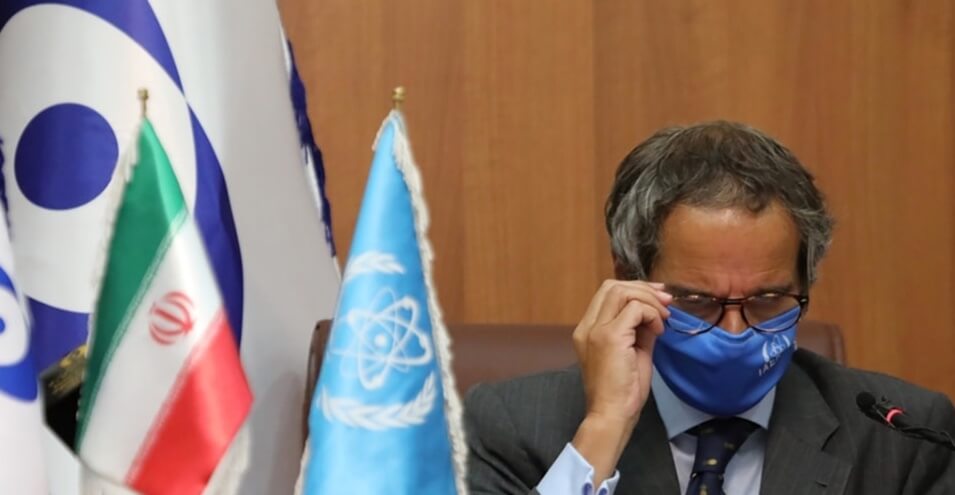
The International Atomic Energy Agency and Iran began talks on Monday, April 20, with the aim of obtaining more information from Tehran about the origin of uranium traces found at undeclared sites in Iran.
The International Atomic Energy Agency (IAEA) issued a statement announcing that the Agency and Iran "started a focused process today to clarify remaining safeguards issues," adding that this was a technical meeting at the expert level of both sides.
The agency has long sought inspections of two sites on the outskirts of Tehran and Isfahan, saying that activities may have taken place at the two sites in the early 2000s that Iran had not previously reported; Tehran denies this.
On March 1, 2019, at the quarterly meeting of the Board of Governors, Rafael Grossi, the Director General of the Agency, said that Iran had not provided "credible explanations" about the discovery of uranium particles at some of its previously undeclared sites, and that this was "a cause for great concern."
Three days later, on March 4, Mr. Grossi announced an agreement on a "technical meeting" with Iran to address such issues, and at the same time, three European countries announced that they would not issue a reprimand resolution against Iran.
France, Britain and Germany planned to present a reprimanding resolution at the IAEA Board of Governors meeting criticizing Iran's suspension of some IAEA inspections. The draft of this reprimanding resolution was proposed by the United States.
The technical meeting between the parties was scheduled to be held earlier, but informed diplomats in Vienna announced on April 8 that it had been postponed.
Iran's failure to provide an adequate explanation for the uranium particles at the aforementioned sites could lead France, Britain, and Germany to once again seek to pass a reprimanding resolution against Iran at the next IAEA board meeting in June.
The lack of clarity about the nature of Iran's activities at these two sites could also affect efforts to revive the 2015 nuclear deal, which is currently being negotiated in Vienna.
Source: Radio Farda