"Iman Soleimani": Lawyers defending Christian converts are under systematic pressure
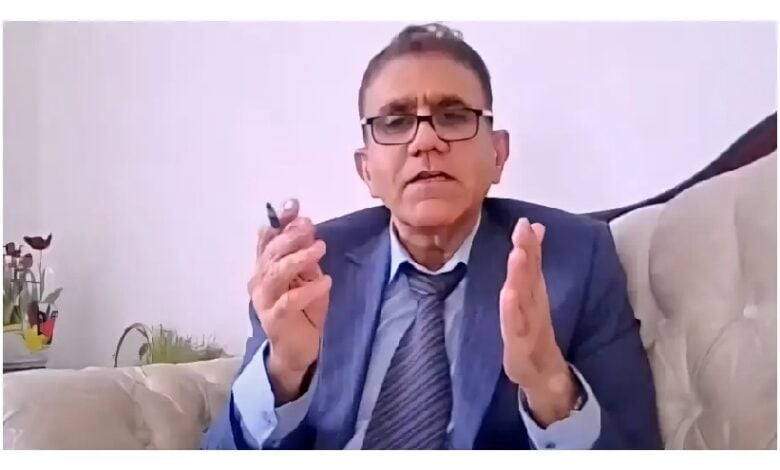
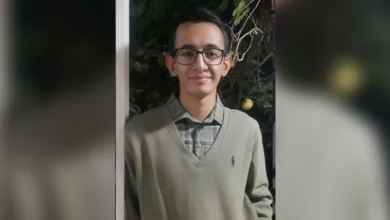
Attorney Iman Soleimani spoke about the systematic pressure against Christian defense attorneys.
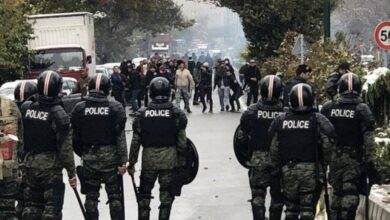
The Islamic Republic's government crackdown on religious minorities in Iran, especially Christians, has become a very serious issue in recent years. Although the judiciary does not consider the establishment of house churches a crime, the arrest of Christians for having or participating in house churches and the trumped-up charges against them continue.
Iman Soleimani, a lawyer at a court, conducted an interview with Pastor Rasoul Heydari on the Christian network "Omid Javedan" in order to reflect the persecution and widespread violations of civil rights in Iran to the whole world. In recent years, Iman Soleimani has represented many Christian citizens who, due to their Christian beliefs and peaceful religious activities, were arrested and sentenced to prison on false charges such as "propaganda against the system" and "actions against national security" without any valid documents or evidence, and Mr. Soleimani has defended them against the charges brought against them.
In his remarks, he referred to the arrest of Joseph Shahbazian and the re-arrest of Nasser Nord-Goltepe, who were arrested without providing any new documentation or reasons, and Nasser Nord was arrested solely on the basis of previous charges, while his previous case had been declared closed and reopening it is contrary to legal principles.
Regarding the case of these two Christian citizens, Soleimani said emphatically: "Based on existing laws, temporary detention is only permitted if there is a fear of the accused fleeing or destroying evidence, while these circumstances are completely unacceptable in the case of these two Christian citizens, and the continuation of these behaviors indicates a deep conflict and disagreement between the security apparatus and the country's highest judicial institutions."
In this interview, he emphasized the disregard for the Supreme Court's ruling on the legality of Christian group prayer ceremonies, saying: "On November 12, 1401, the Supreme Court, in an unprecedented ruling regarding nine Christian converts imprisoned in Evin Prison, declared that preaching Christianity and forming a house church are neither crimes nor collusion to disrupt the country's security. According to this ruling issued by the Supreme Court, group prayer is not only not considered a crime, but is also part of citizens' freedom of thought and religion. However, some investigators and judges have ignored this ruling and continue to use accusations such as forming a house church and propagandizing against the regime to suppress Christians."
Iman Soleimani pointed to one of the major challenges related to the detention of religious minorities and the systematic pressure on their lawyers for accepting representation and defending ideological defendants, adding: "Many lawyers refuse to accept such cases due to fear of security interrogations."
He, who provided free legal services to Christian citizens, said of his personal experience: "Because of providing free legal services to Christian converts, I faced financial accusations and heavy pressures, which caused many ideological and religious defendants to be deprived of their natural right to use the services of lawyers and, in practice, to be denied access to justice."
In an interview with this Christian network, Iman Soleimani, while referring to statistics published by Iranian human rights activists, added: "These statistics clearly show the severity of the arrest situation in Iran. Last year alone, 2,491 ideological and political activists were arrested, a statistic that clearly emphasizes the need for structural reforms in the country's judicial and security systems. Now, we can mention Nasser Nordgoltepe, a 63-year-old Christian who, after a 35-day hunger strike, suffered serious physical and mental injuries, but is still deprived of access to appropriate medical services."
In part of his speech with Pastor Rasoul Heydari, he raised questions that have long remained unanswered. He stated: “How is it possible for someone, while recognized as a Christian citizen in Iran, to be accused of propaganda against the system for holding religious gatherings? If the law guarantees freedom of religious observance, why do some judicial and security agencies violate explicit legal principles? What specific legal basis is there in the laws of the Islamic Republic of Iran for citing accusations such as the establishment of a house church?”
The threat to religious minorities in Iran and the restrictions imposed against them indicate the existence of deep structural problems in the country's judicial and security systems, which require a serious review of laws and procedures related to human rights and religious minorities.