Statement by Iranian Activists: Negotiation is Not Surrender
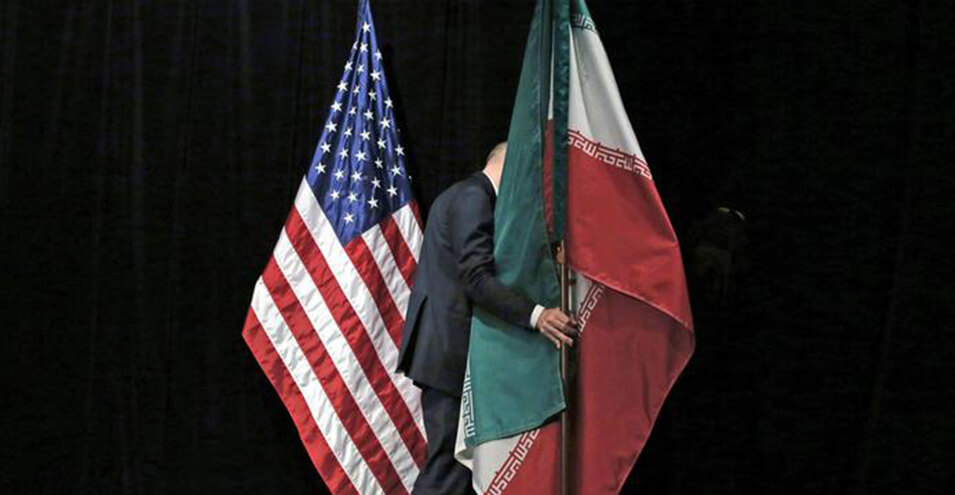
A group of Iranian political and civil activists have called for “unconditional” negotiations between Iran and the United States in a statement. The authors of the statement are concerned about a “diplomatic deadlock and the onset of a devastating war” that could destroy the country’s economic infrastructure.
The statement was released on Sunday, June 19, 2019 and was signed by 225 political and civil activists with various orientations inside and outside Iran.
The statement is addressed to senior officials of the Islamic Republic of Iran and especially Ayatollah Ali Khamenei, who has described negotiations with America as “poison” and closed off any form of diplomatic engagement to reduce tensions between the two countries. Regarding the Islamic system’s strategic policy in Iran, particularly on negotiations with America, Khamenei has the final say.
The authors of the statement say: “Everyone knows that when diplomacy ends, war begins. The people of this region have very bitter memories of war, destruction and its economic, social and humanitarian consequences. The Persian Gulf region has recently become like a powder keg that just a small spark could ignite.”
The statement continues: “We, a group of political and civil activists with different orientations, first and foremost feel concerned about a diplomatic deadlock and the onset of a devastating war that, more than anything, will cause the deaths of thousands of our fellow citizens and the displacement of hundreds of thousands of them, and will destroy our country’s economic infrastructure.”
The statement emphasizes: “‘Negotiation’ is not surrender. Dialogue itself has no negative connotation. Unconditional negotiations between the parties to a dispute can have different objectives. These include crisis management, prevention of unwanted wars, realistic assessment of the opposing side’s objectives without intermediaries and media propaganda and distant rhetoric, tension reduction, playing with cards that actually exist, and if possible, resolving those differences that have lower costs for both sides and ultimately peaceful resolution of disputes. In the specific case of Iran, as sympathetic people have repeatedly reminded before, these negotiations can be pursued with perseverance and solely from the position of protecting national interests (not unfounded aspirations). Moreover, the path to return is always open. Turning away from negotiations allows other powers to play with the card of the Iranian government to their advantage and to the detriment of the Iranian nation’s interests.”
Japan’s Mediation as an “Appropriate Opportunity”
The signatories of the statement believe that Japanese Prime Minister Shinzo Abe’s visit to Tehran next week, which is said to have mediation between Iran and America as its main purpose, provides an appropriate opportunity to reduce tensions between the two countries that should not be missed.
While affirming and condemning the “unjust world order and double standards governing the world,” the authors of the statement addressed the Islamic Republic’s government, which claims to fight this “unjust order,” writing: “One cannot claim to fight injustice and unfairness in the region and world while committing injustices, discrimination and corruption at home with double standards.”
“On this basis, we believe that the foreign policy pursued by the Iranian government, especially in the region, must change structurally. It is this very wrong approach that has paved the way for sovereignty-seeking powers globally to threaten the everyday economic life of the Iranian people and the current dangerous situation and risk of military conflict.”
The statement of political and civil activists continues: “The best way to say ‘no’ to war is to say ‘yes’ to democracy, national solidarity and elimination of discrimination at home. We believe that the country’s foreign policy should be determined and managed with the consent, votes and desires of the majority of the Iranian people. A large portion of the Iranian people have repeatedly, including in several elections, expressed their orientation and opinion for reducing tensions with the world and the region. Rulers cannot and should not base their foreign policy on their view, which the majority of the Iranian nation opposes. Direct reference to public opinion and views can confirm this.”
Names such as Mehrangiz Kar, Nira Towhidi, Ahmad Karimi Hakkak, Hossein Kroubi, Bahareh Hedayat, Hassan Yousefi Eshkevari, Hamid Reza Jalaipour, Sadigheh Vasmaghi, Abdolhamid Massumi Tehrani, Abdali Bazargan, Abdullah Naseri, Ali Akbar Mousavi (Khoini), Emadeddin Baghi, Esa Sahrkhiz, Ibrahim Asgarzadeh, Mohammad Sadigh Javadi-Hessar, Kazem Alamdari, Mandana Zandian, Mehdi Norouzbakhsh, Asia Amini, Mansoure Shojaei, Masoud Bastani, Hayedeh Moqaddasi, Mahboubeh Abaskolleh-zadeh, Ali Kashtgar, Ali Haji-Ghassemi, Farrokh Negahdar, Reza Alijani, Azadeh Kian, Behrouz Khaliq and Mehdi Fattahpour were among the signatories of the statement.
Source: DW