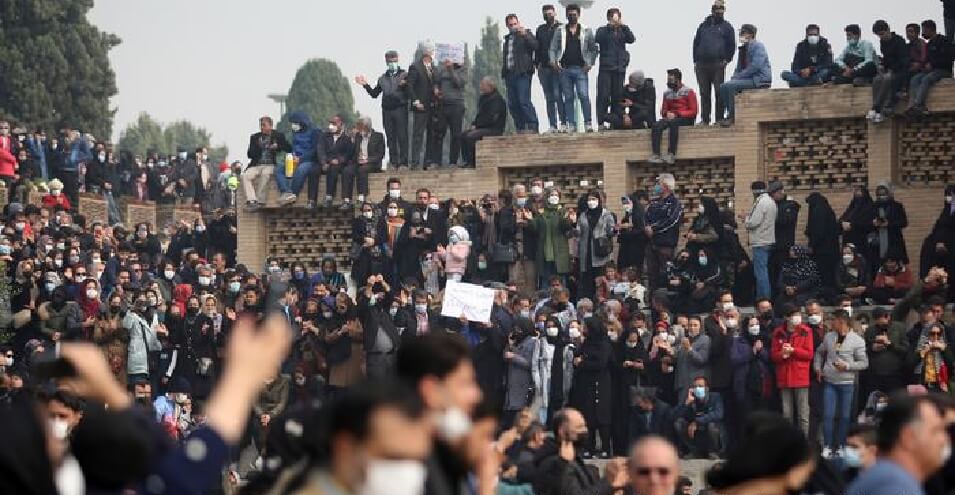
Nationwide protests continue, three years after Mahsa Amini's murder

Nationwide protests by the people of Iran continue on the third anniversary of the government-sponsored murder of Mahsa Amini.
Reports, images, and videos published on social media indicate street protests to international calls for justice, faith, and resistance against the oppressive regime, three years after the government-sponsored murder of Mahsa Amini in various cities.
Cities such as Saqqez, Tehran, Karaj, and other provincial centers continue to witness street gatherings, movements, and actions that emphasize continuing the path of the "Women, Life, Freedom" movement, commemorating the memory of the fallen, pursuing justice, and standing against oppression.
Today, Thursday, September 18, the people of Iran are still on the streets in various cities. In response to the question, “If only one action is possible in continuing the path of the Mahsa movement, what would that action be?”, these zealous people spoke of everything from commemorating the dead to promising freedom and holding those in power and perpetrators accountable, from the slogan “We will neither forgive nor forget,” to everyday actions such as letting their hair down and raising their voices for freedom.
A group of the audience focused on ensuring that the blood of Mahsa and the victims of the “Women, Life, Freedom” movement would not be trampled. Some, stating that the “morning of victory” was near, demanded that the leaders and perpetrators of those who took Mahsa and the Mahsas from the people be held accountable one day. Another part of the messages was also symbolic: some of the audience called Mahsa (Zina) Amini “an unquenchable light” and “the heart of the movement.”
Another audience member said in a message: "Mahsa's name has become an enduring symbol of resistance and freedom; a voice that arose from the streets of Iran and today inspires a global movement."
Among the messages, some have also addressed Khamenei, the leader of the Islamic Republic, saying: "The ideological structure of his rule has been weakened and the policy of "compulsory hijab" has been practically pushed back."
In addition, there are messages that speak of personal costs. One person wrote that he and his sons participated in the "Mahsa Uprising" and that his sons were shot with shotgun pellets, but they still yearn for freedom.
Another said that he was shot in the leg during the 1401 protests and vowed to fight with that injured leg "until the day of complete victory over the barbaric and terrorist regime and until his last drop of blood."
The image of hope for the future is also reflected repeatedly in these messages: using the analogy of a "flood of people" versus a "flood of water" to change the government, talking about a "great celebration across the country," and a promise that the people will emerge from oppressive rule.
Many wanted the resistance to begin with themselves and their cities. One audience member wrote: “Everything this government does in confrontation with the people is an axe to its own rotten roots, and this voice heard from the government is the voice of the last axe.”
Many people who were present on the streets from the third anniversary of Mahsa's commemoration until today, Thursday, declared that the condition for victory was to protect the memory of the victims, pursue justice and accountability, continue to be present on the streets, engage in daily symbolic actions, and insist on freedom.
Women are also holding photos of their deceased children in today's protests and standing on the streets of Saqqez, Tehran, and Karaj with candles and flowers as a symbol of patience and resistance to oppression.
A young man, who still has a bullet wound in his leg, wrote in a message to Mahsa: "My dear little sister! Forgive me for not taking better care of myself so that I could once again fight alongside the youth of my country for the freedom of my country with a savage fist; but I have vowed to stay in this fight until the last drop of blood."
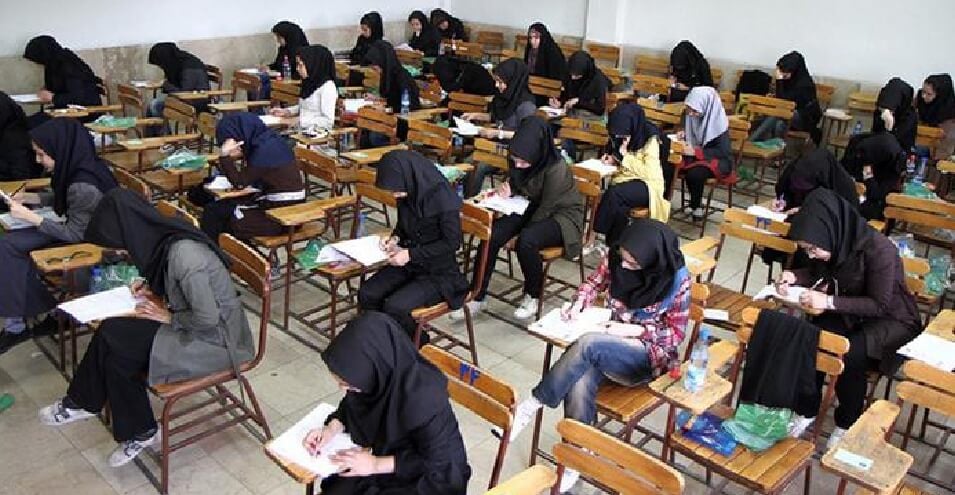
Young girls also walk the streets of Sanandaj and Shiraz with their hair open and colorful clothing, a sign of resistance to the policy of compulsory hijab.