Continuation of labor strikes in Iran and their expansion
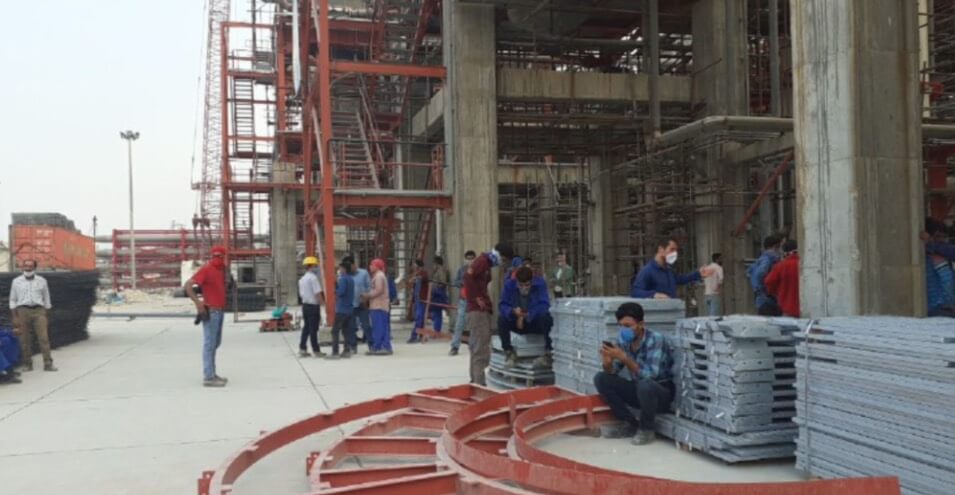
Workers active in various sectors of Iran, including sugarcane, the oil and gas industry, and the petrochemical industry, continued their strikes on Sunday, August 2.
According to reports published on social media and media outlets of labor organizations, the strike by workers at several refineries and petrochemical companies in the provinces of Khuzestan, Bushehr, Hormozgan, and Fars has entered its second day.
Workers at the Qeshm, Abadan, Parsian refineries, as well as Lamerd Petrochemical and phases 22 and 24 of South Pars began their strike on Saturday. However, reports indicate that in addition to the continuation of strikes at these companies, workers at the Fujairah and Kangan refineries and Pars Petrochemical also faced strikes on Sunday. Workers at phase 14 of South Pars have also gone on strike.
The protesting workers are demanding their back wages, improved working conditions, and reduced working hours in the 50-degree heat of the South. Less than a week ago, Ebrahim Arabzadeh, a petrochemical worker in Mahshahr, died of heatstroke, and Omran Roshani Moghadam, a worker in the Yadavaran oil field in Hoveyzeh, committed suicide on June 12 over unpaid back wages.
According to videos and visual reports on social media, striking workers, most of whom are contract workers, have peacefully gathered at their workplaces or dormitories.
ILNA news agency also reported that about 200 workers of Hepco Company gathered for the second consecutive day, Sunday, August 3, in the company's premises and under the Shahid Bakhtiari Bridge.
Workers at this road construction machinery manufacturer are protesting "confusion and uncertainty resulting from the lack of definition of work and the reduced operational capacity of production lines."
The company is said to be operating at only 5 to 10 percent of its capacity.
The news agency also reported a gathering of unemployed employees of the Justice Shares offices in front of the Islamic Consultative Assembly building, who came to Tehran from different regions of the country.
Protesters who want to return to their former jobs say they have been unemployed since August 24 of this year following a new directive from the Supreme Council of the Stock Exchange to release equity shares.
These workers told ILNA: "We are about 1,500 people who, after 13 years of working in the offices of the Saham Adalat cooperative companies, the Supreme Council of the Stock Exchange did not anticipate our employment situation in its recent decisions to liberalize Saham Adalat and as a result, made us unemployed."
The Islamic Republic has responded to labor protests in many cases by arresting protesters, and so far a number of labor activists, including those in connection with the Haft Tappeh Sugar Company, have faced heavy judicial sentences.
Source: DW