Increasing pressure on religious minorities in Iran and the message of Prince Pahlavi to the people
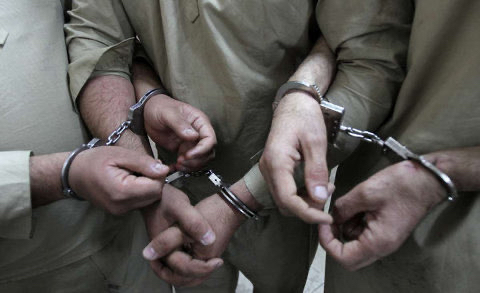
As pressure on religious minorities in Iran increases, reports indicate intensified repression of Christians and the Islamic Republic's widespread restrictions on religious freedom.
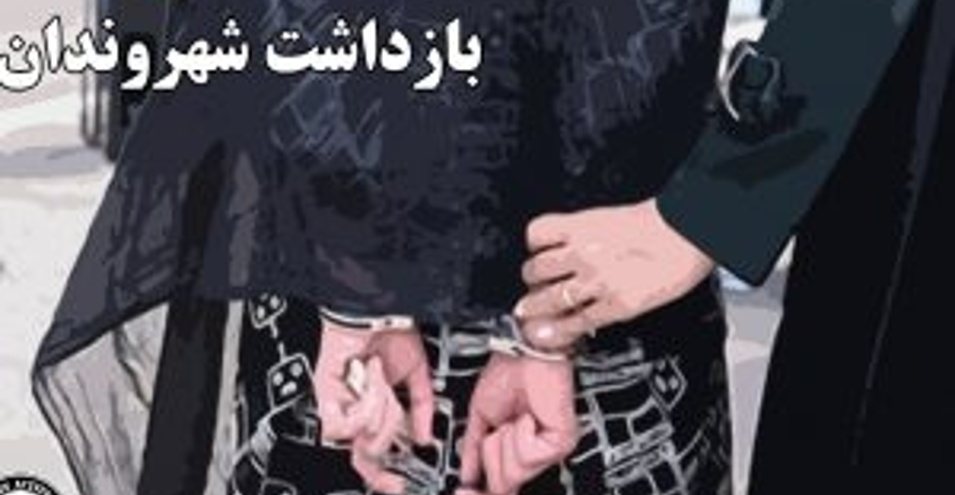
In recent years, the situation of freedom of belief and religion in Iran has been accompanied by growing concerns from human rights institutions and international organizations. Religious minorities, especially Christians and members of house churches, have faced arrests, summonses, social exclusions, and severe judicial sentences.
As a signatory to the International Covenant on Civil and Political Rights, Iran is committed to guaranteeing freedom of religion or belief for all citizens. However, numerous reports indicate that the implementation of these commitments in practice faces serious challenges. According to Article 13 of the Constitution of the Islamic Republic, Christians, Jews, and Zoroastrians are officially recognized as minorities, but this official recognition mainly includes Armenian and Assyrian Christians, and Christian converts who convert from Islam to Christianity often face charges such as “acting against national security.”
Human rights organizations have repeatedly warned of the detention of house church leaders and members. Many of these arrests have involved raids by security forces on private homes, the confiscation of Bibles and communication devices, and prolonged interrogations. Some of these citizens have been sentenced to long prison terms or have faced travel bans, job deprivation, and pressure on their families.
The annual report of the United States Commission on International Religious Freedom has also included Iran in the list of “countries of particular concern.” The UN Special Rapporteur on human rights in Iran has also repeatedly spoken of structural discrimination against religious minorities, including Christians, in the areas of education, employment, and social participation.
Along with Christians, other religious minorities, including Baha'is, Gonabadi Dervishes, and Sunni Muslims, have also faced widespread restrictions. Destruction of religious sites, prevention of the construction of new places of worship, and pressure on religious activists are among the issues highlighted in independent reports, particularly during the nationwide protests in January.
From a Christian theological perspective, freedom of belief is not only a civil right but also part of the God-given dignity of man. Many leaders of Iranian churches in exile have emphasized that true faith cannot be maintained through coercion and repression, and that any instrumental use of religion to justify violence is contrary to the message of the Gospel.
In this context, Reza Pahlavi, in a message addressed to the Shiites of Iran, made statements that had a wide impact on the political and social atmosphere. The full text of this message is as follows: “My devout compatriots who believe in the Shiite religion, the Islamic Republic took power in the name of you and your religion from the first day, and to this day it has achieved nothing but poverty, misery, and crimes against humanity.
During the National Revolution of the Lion and the Sun, as in other uprisings of these years, you saw with your own eyes that the Islamic Republic and Khamenei, in the name of religion and with the support of the clergy, did not refrain from committing any crime; from killing innocent citizens with live ammunition, including children and students, to firing live ammunition at the wounded in hospitals, and torturing, murdering, and raping those arrested.
All of this has been and continues to be done in the name of the Shiite religion; they have turned mosques into bases of oppression, and with the slogan "Haider Haider" they aim at the brains of their fellow countrymen and pray on a bloody prayer mat. The Shiite clergy, who consider themselves the guardians of the religion, failed this historical test by accompanying or remaining silent in the face of these crimes.
My message to the Shiites who are believers but oppose the authority of the jurist and political Islam is that if you are concerned about religion and want to follow your religious rituals in peace and in a non-political and personal manner in the future of Iran, be at the forefront of the fight against this illegitimate regime and its criminal leaders; reclaim your religion and faith from the hands of the Antichrist of time and do not let the crimes of the Islamic Republic and the terrorist Islamic Revolutionary Guard Corps be written at the foot of your religion.
"Today, a large group of religious people are in the trenches of the fight against the Islamic Republic. I urge those who have not yet joined this holy fight to stand with their Sunni brothers and sisters and followers of other religions, sects, and beliefs before it is too late, to join the ocean of the Iranian nation, and to reclaim their religion from Zahhak and the Zahhaks, which is better for both yourselves and for the future of the Shiite religion and other religions in Iran."